How Do Engine Parts Tensioners Improve Engine Performance?
2025-12-31
Abstract: Engine parts tensioners play a crucial role in maintaining proper belt tension within automotive engines. This article provides a comprehensive guide on how these components function, their specifications, common issues, and best practices for selection and maintenance. With a focus on Engine Parts Tensioner applications, this guide serves as a professional reference for automotive engineers, mechanics, and enthusiasts seeking optimal engine performance.
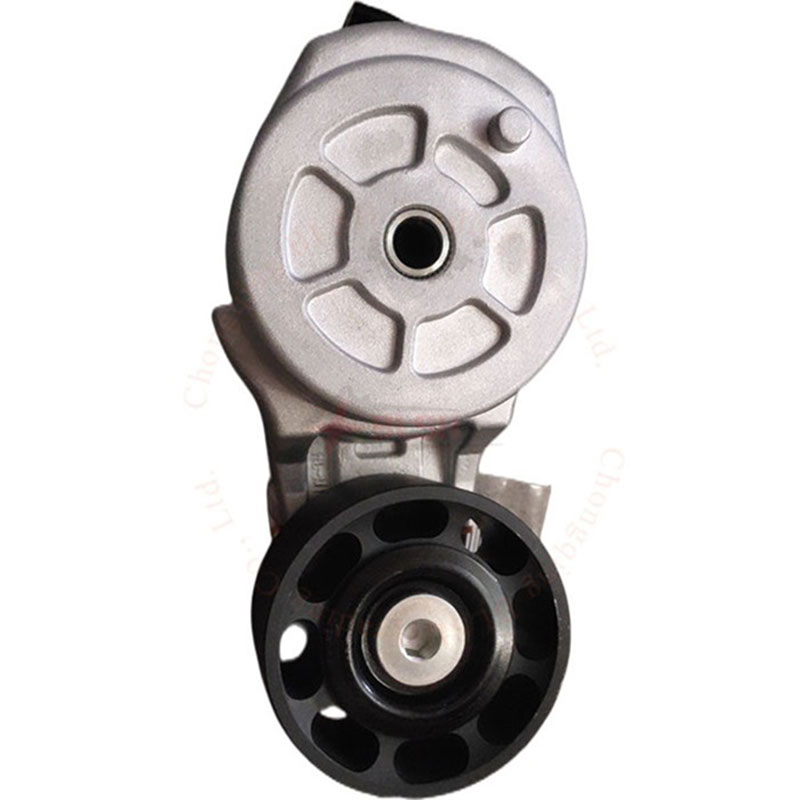
Table of Contents
1. Introduction to Engine Parts Tensioners
Engine parts tensioners are essential components in modern automotive engines, responsible for maintaining the correct tension of timing belts, serpentine belts, and other critical drive systems. Proper tension ensures smooth engine operation, reduces wear on belts and pulleys, and prevents potential failures that could lead to significant engine damage.
The main purpose of this article is to provide an in-depth understanding of how Engine Parts Tensioners function, their specifications, common questions, and guidance for optimal selection and maintenance.
2. Engine Parts Tensioner Specifications
Engine Parts Tensioners vary in design, material, and application. The following table summarizes the key technical specifications of a typical high-quality tensioner:
| Parameter | Description |
|---|---|
| Material | High-strength steel alloy or aluminum with corrosion-resistant coating |
| Tension Range | 20–50 N·m (adjustable based on belt type and engine load) |
| Temperature Range | -40°C to 120°C |
| Compatibility | Timing belts, serpentine belts, automotive engines (petrol and diesel) |
| Lifespan | 50,000–100,000 km or 5–7 years depending on usage |
| Weight | 0.8–1.5 kg |
| Mounting Type | Bolt-on with pivot arm or hydraulic tensioner mechanism |
3. Common Questions About Engine Parts Tensioners
Q1: How can I tell if my engine tensioner needs replacement?
A1: Signs include unusual belt noise (squealing or chirping), visible belt wear, engine misalignment issues, or noticeable slack in the belt system. Regular inspection is recommended every 20,000 km to detect early wear.
Q2: How often should an Engine Parts Tensioner be maintained or replaced?
A2: Typically, tensioners should be inspected at every major service interval, around 50,000 km, and replaced if any signs of wear, cracking, or reduced tension are observed. High-performance or heavy-duty vehicles may require more frequent inspections.
Q3: How does improper tension affect engine performance?
A3: Incorrect tension can lead to slippage, reduced timing accuracy, increased belt wear, and potential engine damage. Maintaining optimal tension ensures efficient power transfer, reduces fuel consumption, and prolongs belt and pulley lifespan.
4. How to Select and Maintain Engine Parts Tensioners
Selecting the right tensioner involves considering engine type, belt compatibility, expected load, and operating conditions. Here is a structured approach:
Step 1: Identify Engine Requirements
Assess engine type (petrol/diesel), number of belts, and recommended tension range provided in the vehicle service manual.
Step 2: Choose Tensioner Type
Options include mechanical spring-loaded tensioners, hydraulic tensioners, and automatic adjusters. Selection depends on desired maintenance frequency and engine performance specifications.
Step 3: Review Material and Durability
High-strength steel or aluminum ensures longevity. Consider corrosion-resistant coatings for engines operating in humid or coastal environments.
Step 4: Install and Maintain
Follow manufacturer torque specifications during installation. Inspect belt alignment and tension periodically. Replace tensioners if signs of wear, unusual noise, or reduced tension occur.
5. Conclusion and Contact
Engine Parts Tensioners are indispensable for ensuring optimal engine performance, longevity, and reliability. By understanding their specifications, maintenance requirements, and how to select the right type, automotive professionals can avoid costly engine failures and improve overall vehicle efficiency. Skyond provides a range of high-quality Engine Parts Tensioners designed for durability, precision, and performance.
For more information on selecting the right tensioner or to inquire about products, please contact us today.