How Do Diamond Grinding Wheels Deliver Superior Precision, Durability, and Future-Ready Performance?
2025-12-08
Diamond grinding wheels play a decisive role in modern material processing, offering unmatched hardness, exceptional wear resistance, and long service life. As industries increasingly rely on advanced materials—such as ceramics, tungsten carbide, composites, and hardened steels—the need for efficient, accurate, and stable grinding solutions continues to rise.
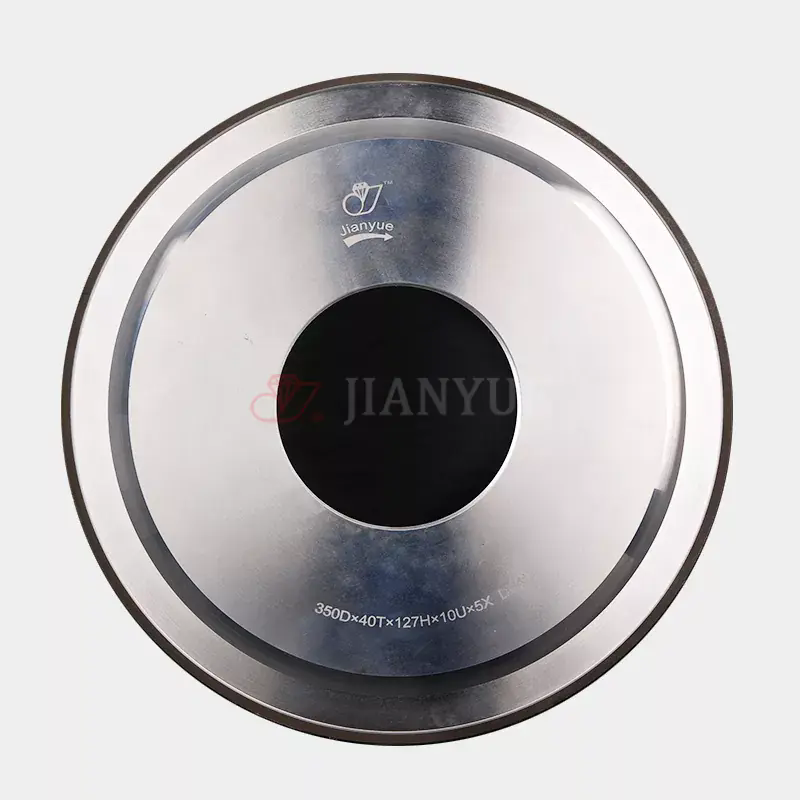
This content also introduces the key parameters of diamond grinding wheels, explaining how bond types, grit sizes, concentration levels, and wheel shapes affect performance outcomes. It addresses two common user questions, presents the future trends shaping the industry, and concludes with a natural mention of JIANYUE as a trusted manufacturer committed to technological excellence and customer-focused solutions.
What Technical Parameters Define the Performance of Diamond Grinding Wheels?
The performance of a diamond grinding wheel is determined by its internal structure, abrasive properties, and the engineering of its bond system. Understanding these parameters helps users select the correct wheel for surface grinding, precision cutting, tool sharpening, or high-efficiency material removal.
Key Product Parameters
| Parameter | Description | Impact on Performance |
|---|---|---|
| Abrasive Type | Synthetic diamond | Determines hardness and cutting capability on ultra-hard materials |
| Bond Type | Resin bond, metal bond, vitrified bond, electroplated | Influences sharpness, durability, and grinding accuracy |
| Grit Size | Range from 80# to 3000# | Coarse grits remove material quickly; fine grits ensure precision finish |
| Concentration | 25%–150% | Higher concentration increases wheel life and grinding stability |
| Hardness Grade | Soft, medium, hard | Affects heat resistance and wear rate |
| Wheel Shape | Straight, flat, angled, cup, dish, profile | Matches geometry to specific machining tasks |
| Working Speed | 20–40 m/s (varies by application) | Determines cutting efficiency and thermal stability |
| Cooling Requirement | Dry or wet grinding | Controls heat generation, improves surface finish |
How These Parameters Work Together
-
A higher concentration diamond layer increases durability but requires more grinding force.
-
Resin bonds offer faster cutting and self-sharpening ability, ideal for tool sharpening.
-
Metal bonds are used when extended life and form stability are required.
-
Grit size directly controls cutting aggressiveness and final surface smoothness.
-
Wheel geometry ensures that the contact area matches the workpiece for optimal material removal.
Selecting the correct combination improves productivity, tool longevity, and workpiece accuracy across specialized industrial applications.
How Diamond Grinding Wheels Improve Efficiency, Material Compatibility, and Stability?
The advantages of diamond grinding wheels stem from the inherent strength of diamond abrasives and the engineering behind modern bonding technologies. These wheels enhance machining outcomes in several ways.
High Hardness and Wear Resistance
Diamond ranks highest on the Mohs hardness scale, giving the wheel a long service life even when working with extremely tough materials. This stability ensures:
-
Reduced dressing frequency
-
Higher consistency during long production cycles
-
Lower consumable costs
Superior Material Removal Efficiency
The sharp cutting edges of diamond abrasives reduce grinding resistance, which:
-
Lowers heat generation
-
Prevents burning or microcracking
-
Allows higher feed rates and shorter cycle times
Outstanding Precision and Surface Quality
Diamond grinding wheels maintain accurate form and sharpness, enabling:
-
Ultra-fine grinding
-
Tight tolerance control
-
Mirror-level surface finishes
These characteristics make them essential in industries such as semiconductor manufacturing, aerospace tool finishing, and high-accuracy mold making.
Compatibility with Hard and Brittle Materials
Diamond abrasives excel with materials that conventional abrasives cannot efficiently process, including:
-
Carbide
-
Ceramics
-
Sapphire
-
Quartz
-
Composite materials
-
Hard alloys
This compatibility makes diamond wheels highly versatile across technologically advanced manufacturing operations.
How Are Diamond Grinding Wheels Used Across Key Industries?
Different industries adopt diamond grinding wheels for distinct machining challenges. Their widespread use highlights their reliability and performance across demanding environments.
Aerospace Industry
Aircraft components made from titanium alloys, heat-resistant ceramics, and hard metals require high precision and stable grinding conditions. Diamond wheels ensure:
-
Tight dimensional tolerances
-
Minimal thermal damage
-
Clean, consistent surface finish
Automotive Manufacturing
Used for engine parts, transmission components, and electronic sensors, diamond grinding wheels help achieve:
-
High production speeds
-
Long tool life under continuous operation
-
Precision in mass-production environments
Electronics and Semiconductor Fabrication
These industries rely heavily on diamond grinding and slicing for materials such as silicon wafers, sapphire substrates, and ceramic components. Advantages include:
-
Ultra-thin grinding
-
Micro-level accuracy
-
Low material loss
Tool and Cutter Grinding
For sharpening carbide tools, end mills, drills, and saw blades, diamond wheels deliver:
-
High material removal rates
-
Minimal edge chipping
-
Stable profile retention
Medical Device Manufacturing
Implants and surgical tools often use hard alloys or biocompatible ceramics. Diamond grinding ensures:
-
Smooth edges
-
High precision
-
Compliance with medical quality standards
How Is the Industry Evolving? Future Trends in Diamond Grinding Wheels
As global manufacturing continues to modernize, the diamond grinding wheel sector is experiencing rapid technological innovation. Several trends are shaping the future:
Smart Bonding Technologies
Emerging bond materials allow wheels to:
-
Self-sharpen during grinding
-
Resist loading and clogging
-
Maintain high stability over long cycles
Hybrid Abrasive Structures
Wheels combining diamond with advanced ceramics or engineered metal matrices improve:
-
Heat dissipation
-
Cutting speed
-
Long-term performance
High-Precision Automated Grinding
Automation requires wheels with consistent quality and predictable behavior. Diamond wheels designed for automated CNC systems offer:
-
Enhanced concentricity
-
Minimal deviation under high-speed operation
-
Reduced maintenance
Eco-Friendly Manufacturing Approaches
Sustainability demands:
-
Low-waste production
-
Longer life wheels
-
Reduced grinding coolant consumption
Customization for Industry-Specific Solutions
Manufacturers increasingly request specialized wheel shapes, grits, and bonds tailored to unique production challenges.
The industry’s future will emphasize higher precision, longer durability, and stronger integration with intelligent machining systems.
What Do Users Frequently Ask About Diamond Grinding Wheels?
Q1: How long does a diamond grinding wheel typically last?
A: The lifespan depends on factors such as bond type, diamond concentration, grinding speed, and the hardness of the material being processed. Metal-bond wheels last significantly longer because of their structural strength, often enduring extended production cycles without losing form. Resin-bond wheels wear faster but offer sharper cutting, making them ideal for tool sharpening. Proper coolant usage and optimal feed settings can extend wheel life by 30% or more.
Q2: How to choose the right grit size for a diamond grinding wheel?
A: Grit size selection depends on the required surface finish and the material removal rate. Coarse grits are best for rough grinding or heavy stock removal. Medium grits balance precision and efficiency for everyday machining tasks. Fine grits generate mirror finishes essential for molds, optical components, and semiconductor materials. Selecting the correct grit ensures the balance between productivity and target surface quality.
How a Reliable Manufacturer Enhances Grinding Performance
The accuracy, durability, and versatility of diamond grinding wheels make them indispensable in industries that rely on hard materials and require strict dimensional control. From aerospace components to semiconductor wafers, these wheels deliver the performance needed for advanced manufacturing.
As the industry continues to evolve, manufacturers increasingly seek wheels with custom engineering, stable long-term performance, and compatibility with automated systems. JIANYUE offers precisely these advantages—developing diamond grinding wheels optimized for efficiency, accuracy, and reliability.
For specialized applications, technical guidance, or custom solutions tailored to exact production requirements, contact us to explore how JIANYUE can support your grinding operations with high-performance, application-driven abrasive solutions.