

How Do Clutch Release Bearings Improve Vehicle Performance and Driving Comfort?
2026-07-17
Article Summary
Clutch release bearings are small but essential components in manual transmission systems. They play a critical role in transferring the driver's clutch pedal operation into smooth clutch engagement and disengagement. When a clutch release bearing wears out or fails, drivers may experience abnormal noises, difficult gear shifting, vibration, and reduced driving comfort.
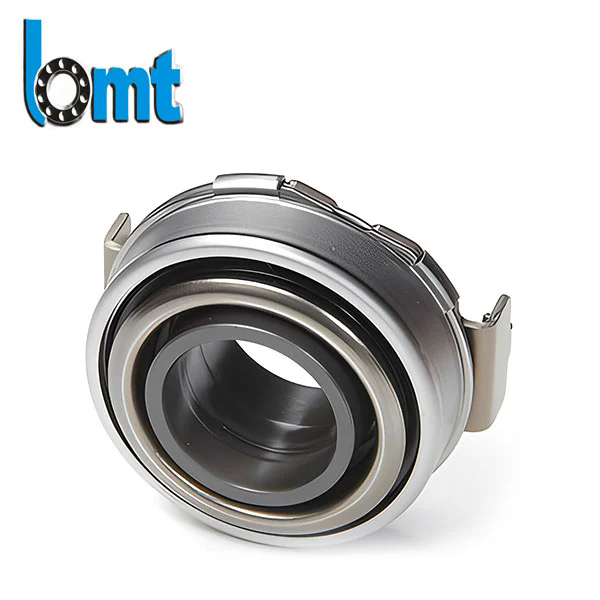
This article explains how clutch release bearings work, why they are important, what problems they solve, how to select reliable products, and how proper maintenance can extend service life. By understanding the structure, benefits, and failure symptoms of clutch release bearings, vehicle manufacturers, repair professionals, and distributors can make better decisions when sourcing transmission components.
Table of Contents
- 1. What Are Clutch Release Bearings?
- 2. How Do Clutch Release Bearings Work?
- 3. Why Are Clutch Release Bearings Important for Vehicle Systems?
- 4. Common Problems Caused by Failed Clutch Release Bearings
- 5. How to Choose the Right Clutch Release Bearings?
- 6. Manufacturing Quality Factors of Reliable Clutch Release Bearings
- 7. Maintenance Tips to Extend Clutch Release Bearing Life
- 8. Frequently Asked Questions About Clutch Release Bearings
Article Outline
- Understanding the role and structure of clutch release bearings
- Explaining their working mechanism inside manual transmission systems
- Identifying customer pain points caused by bearing failure
- Providing solutions for selection, maintenance, and replacement
- Introducing quality standards for professional applications
1. What Are Clutch Release Bearings?
A clutch release bearing, also known as a throw-out bearing, is a mechanical component installed between the clutch fork and the pressure plate. Its primary function is to allow the clutch system to smoothly separate the engine power from the transmission when the driver presses the clutch pedal.
During vehicle operation, the clutch release bearing must handle continuous rotational movement while receiving pressure from the clutch mechanism. Although it is relatively small compared with other transmission parts, its performance directly affects shifting smoothness, driving comfort, and the overall durability of the clutch assembly.
Modern clutch release bearings are designed with advanced materials, precision manufacturing processes, and optimized lubrication systems to withstand high rotational speeds and repeated operating cycles.
| Component | Main Function |
|---|---|
| Clutch Release Bearing | Transfers clutch pedal force and enables smooth clutch disengagement |
| Pressure Plate | Controls connection between engine and transmission |
| Clutch Disc | Transfers engine torque to transmission |
| Clutch Fork | Moves the release bearing during operation |
2. How Do Clutch Release Bearings Work?
The working process of clutch release bearings is closely connected with the clutch pedal system. When the driver presses the clutch pedal, hydraulic or mechanical force moves the clutch fork. The fork then pushes the release bearing toward the pressure plate.
The bearing applies pressure while rotating together with the clutch assembly. This allows the pressure plate fingers to move smoothly without creating excessive friction. As a result, the clutch disc separates from the flywheel, temporarily interrupting power transmission and allowing the driver to change gears.
When the clutch pedal is released, the release bearing returns to its original position, allowing the clutch disc to reconnect and transfer engine power again.
| Operating Stage | Clutch Release Bearing Function |
|---|---|
| Clutch Pedal Pressed | Moves forward and pushes the pressure plate mechanism |
| Gear Changing | Maintains smooth rotation and reduces friction |
| Clutch Pedal Released | Returns to standby position for power transmission |
3. Why Are Clutch Release Bearings Important for Vehicle Systems?
A high-quality clutch release bearing provides several important advantages for vehicles and industrial applications. Since the component operates under repeated mechanical stress, reliability is essential.
- Smoother Gear Shifting: A properly functioning bearing ensures accurate clutch disengagement and reduces shifting resistance.
- Lower Operating Noise: Precision manufacturing helps minimize vibration and abnormal sounds.
- Extended Clutch System Life: Reduced friction protects surrounding clutch components.
- Improved Driving Experience: Stable performance provides better pedal response and comfort.
- Reduced Maintenance Costs: Durable bearings decrease replacement frequency and downtime.
For vehicle manufacturers, distributors, and repair businesses, choosing dependable clutch release bearings is important because a small component failure can lead to expensive clutch system repairs.
4. Common Problems Caused by Failed Clutch Release Bearings
Clutch release bearings operate in challenging environments with high speed rotation, pressure, and temperature changes. Without proper quality control, they may develop performance issues.
| Problem Symptom | Possible Cause | Recommended Solution |
|---|---|---|
| Squeaking or Grinding Noise | Bearing wear or insufficient lubrication | Inspect and replace the damaged bearing |
| Difficult Gear Shifting | Incorrect clutch disengagement | Check the clutch system and bearing condition |
| Clutch Pedal Vibration | Bearing instability or internal damage | Replace with a high-quality component |
| Reduced Clutch Performance | Long-term wear under heavy loads | Perform complete clutch inspection |
Ignoring these warning signs may cause additional damage to the clutch pressure plate, clutch disc, and transmission system. Early inspection helps prevent unexpected vehicle downtime.
5. How to Choose the Right Clutch Release Bearings?
Selecting suitable clutch release bearings requires consideration of application requirements, operating conditions, and product quality. Different vehicles and working environments may require different bearing specifications.
- Compatibility: Ensure the bearing matches the vehicle model and clutch system design.
- Load Capacity: Choose products capable of handling required pressure and rotational speed.
- Material Quality: High-quality steel and durable sealing structures improve reliability.
- Manufacturing Precision: Accurate dimensions ensure proper installation and operation.
- Supplier Experience: Professional manufacturers provide consistent quality and technical support.
BMT Bearings Co., Ltd. focuses on producing reliable bearing solutions with attention to product performance, durability, and application requirements. The company provides clutch release bearings designed to meet different market demands.
6. Manufacturing Quality Factors of Reliable Clutch Release Bearings
The performance of clutch release bearings depends heavily on manufacturing technology and quality control. Professional bearing manufacturers usually focus on several key areas:
| Quality Factor | Importance |
|---|---|
| Precision Machining | Ensures accurate dimensions and smooth operation |
| Heat Treatment | Improves hardness and wear resistance |
| Lubrication Technology | Reduces friction and improves service life |
| Performance Testing | Ensures reliability under different operating conditions |
Reliable manufacturing processes help clutch release bearings maintain stable performance even under frequent clutch engagement cycles.
7. Maintenance Tips to Extend Clutch Release Bearing Life
Although clutch release bearings are designed for durability, proper driving habits and regular inspections can significantly extend their service life.
- Avoid keeping the clutch pedal partially pressed for long periods.
- Inspect clutch system components during routine vehicle maintenance.
- Replace worn clutch components together when necessary.
- Use suitable replacement parts from reliable suppliers.
- Pay attention to unusual noises or changes in pedal feeling.
Preventive maintenance reduces the risk of sudden failures and helps maintain consistent vehicle performance.
8. Frequently Asked Questions About Clutch Release Bearings
Q1: How long do clutch release bearings usually last?
The service life depends on vehicle usage, driving conditions, maintenance practices, and product quality. High-quality bearings can provide reliable performance for many years under normal operating conditions.
Q2: What are the signs of a damaged clutch release bearing?
Common signs include unusual noises when pressing the clutch pedal, vibration, difficult shifting, and abnormal pedal operation.
Q3: Can a clutch release bearing be replaced separately?
In many cases, the bearing can be replaced separately. However, technicians often inspect the entire clutch system because related components may also experience wear.
Q4: Why is choosing a reliable clutch release bearing supplier important?
A dependable supplier ensures product consistency, accurate specifications, and better performance reliability, helping customers reduce maintenance risks.
Conclusion
Clutch release bearings are essential components that ensure smooth clutch operation, accurate gear shifting, and comfortable driving experiences. Although they are small parts, their performance has a direct impact on the reliability of the entire transmission system.
By selecting properly designed bearings, maintaining the clutch system regularly, and working with experienced manufacturers, businesses and vehicle users can reduce operating problems and improve long-term efficiency. BMT Bearings Co., Ltd. provides professional clutch release bearing solutions with a focus on quality, durability, and customer requirements.
If you are looking for dependable clutch release bearings with excellent performance and professional support, please contact us today. BMT Bearings Co., Ltd. is ready to provide suitable bearing solutions for your applications.
