How Do Cable Clips Organize Cables in Modern Installations?
2026-06-26
Abstract: Cable management is a critical yet often overlooked aspect of modern electrical, networking, and home entertainment systems. Cable clips provide a simple, cost-effective, and reliable way to secure, route, and protect cables across a wide range of environments. This article explores how cable clips function, their types, installation methods, and practical applications. It also highlights how YEGE delivers durable and high-performance cable clip solutions for both residential and industrial needs.
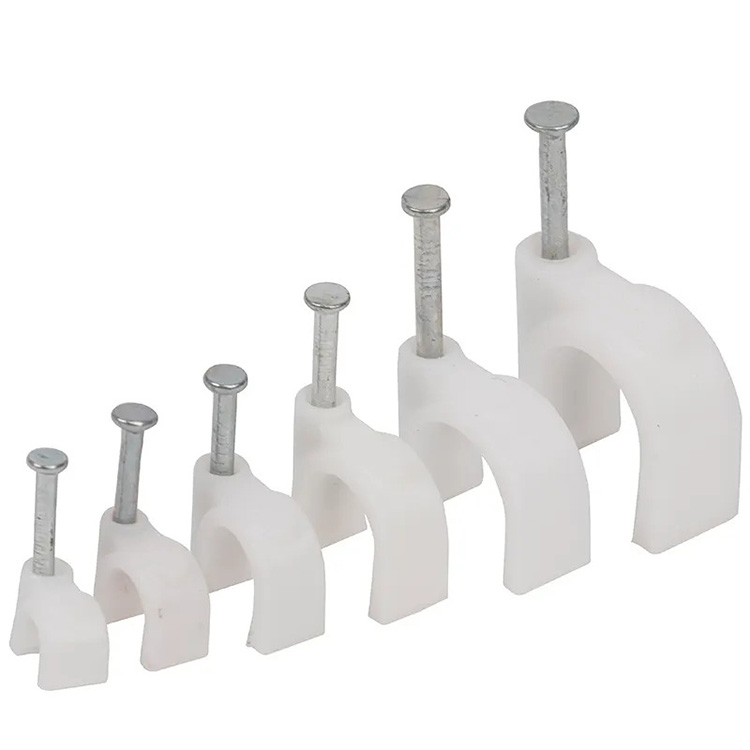
Table of Contents
Article Outline
This article provides a structured overview of cable clips, starting from fundamental definitions to practical installation techniques and industry applications. It also examines product selection criteria and concludes with insights into YEGE’s manufacturing strengths.
Introduction to Cable Clips
Cable clips are small fastening devices designed to secure electrical wires, fiber optic cables, Ethernet lines, and other types of cabling to surfaces such as walls, ceilings, or furniture. Despite their simple appearance, they play a vital role in maintaining organized, safe, and efficient cable systems.
In both residential and commercial environments, loose or tangled cables can create hazards, reduce efficiency, and negatively impact aesthetics. Cable clips solve these issues by providing a stable anchoring system that keeps cables in place and properly routed.
Why Cable Management Matters
Proper cable management is not just about appearance—it directly affects safety, performance, and maintenance efficiency.
- Safety: Prevents tripping hazards and reduces electrical risks caused by damaged insulation.
- Efficiency: Makes troubleshooting and maintenance faster and more organized.
- Durability: Reduces wear and tear on cables caused by movement or tension.
- Aesthetics: Creates a clean and professional installation environment.
Without proper organization, cables can quickly become tangled, leading to downtime and increased maintenance costs.
Types of Cable Clips
Cable clips come in various designs depending on the application and cable type. Below is a structured comparison:
| Type | Description | Best Use Case |
|---|---|---|
| Nail-in Cable Clips | Plastic clips with a steel nail for quick installation | Wood surfaces, home wiring |
| Adhesive Cable Clips | Uses strong adhesive backing | Office desks, temporary setups |
| Screw-mounted Clips | Fixed with screws for higher stability | Industrial environments |
| Round Cable Clips | Designed for single round cables | Network and power cables |
| Flat Cable Clips | Optimized for flat cables | Ribbon cables, specialty wiring |
How Cable Clips Work
Cable clips function by applying controlled mechanical pressure or adhesive bonding to secure cables against a surface. The design ensures that cables remain firmly in place without damaging their outer insulation.
The working mechanism can be broken down into three steps:
- Positioning: The cable is placed into the clip channel.
- Fixing: The clip is attached to a surface using nails, screws, or adhesive.
- Stabilization: The clip maintains consistent pressure to prevent movement.
This simple yet effective mechanism allows cable clips to be used in environments ranging from homes to heavy-duty industrial facilities.
Installation Guide
Installing cable clips correctly ensures long-term performance and safety. Below is a step-by-step guide:
- Identify the cable route before installation.
- Measure spacing between clips based on cable weight and flexibility.
- Clean the installation surface if using adhesive clips.
- Insert the cable into the clip.
- Fix the clip using nail, screw, or adhesive backing.
- Check cable tension to ensure it is neither too tight nor too loose.
Proper spacing is essential. Over-tightening or excessive distance between clips can lead to sagging or cable strain.
Common Mistakes to Avoid
Even though cable clips are easy to use, improper installation can reduce their effectiveness. Common mistakes include:
- Using incorrect clip size for the cable diameter
- Installing clips on dirty or uneven surfaces
- Over-tightening cables, causing insulation stress
- Using adhesive clips in high-temperature environments
- Improper spacing between clips
Applications Across Industries
Cable clips are widely used across multiple industries due to their versatility.
- Residential: TV setups, internet wiring, kitchen appliances
- Commercial offices: Desktop cable organization, server rooms
- Industrial environments: Machinery wiring, control systems
- Automotive: Internal wiring harnesses
- Construction: Electrical installations in buildings
The adaptability of cable clips makes them an essential component in modern infrastructure systems.
Material Selection Guide
Choosing the right material for cable clips is essential for performance and durability.
- Plastic (Nylon/PE): Lightweight, corrosion-resistant, suitable for indoor use
- Steel: High strength, suitable for industrial applications
- Rubber-coated: Provides extra grip and vibration resistance
Environmental conditions such as temperature, humidity, and exposure to chemicals should be considered when selecting materials.
YEGE Product Advantages
YEGE is committed to delivering high-quality cable clip solutions designed for durability, precision, and ease of installation. With advanced manufacturing processes and strict quality control, YEGE ensures that each product meets demanding industrial and commercial requirements.
- High-strength materials for long service life
- Wide range of sizes for different cable types
- Stable fastening performance in various environments
- Optimized designs for easy installation and removal
FAQ
Q1: What are cable clips used for?
Cable clips are used to secure and organize cables along surfaces, preventing tangling and improving safety.
Q2: Can cable clips damage cables?
When properly selected and installed, cable clips do not damage cables. Using the correct size is essential.
Q3: Are adhesive cable clips permanent?
They are semi-permanent and can be removed, but their adhesive strength may decrease after removal.
Q4: How far apart should cable clips be placed?
Spacing depends on cable type, but typically 30–50 cm intervals are recommended for standard cables.
Q5: Can cable clips be used outdoors?
Yes, but only weather-resistant materials such as UV-stabilized plastic or stainless steel should be used.
Conclusion
Cable clips may appear simple, but they play a crucial role in ensuring safe, organized, and efficient cable systems across all environments. From residential setups to industrial installations, they provide a reliable solution for cable management challenges.
YEGE continues to innovate in the field of cable management accessories, offering durable and practical solutions tailored to modern installation needs.
For more information or bulk inquiries, contact us today to explore YEGE cable clip solutions and get professional support for your project requirements.