

How Do Bucket Teeth Improve Excavation Performance?
2026-01-04
Abstract: Bucket Teeth are crucial components in heavy machinery used for excavation and earthmoving operations. They directly impact efficiency, durability, and operational cost. This article provides an in-depth overview of Bucket Teeth, including specifications, industry applications, and practical guidance for selection and maintenance.
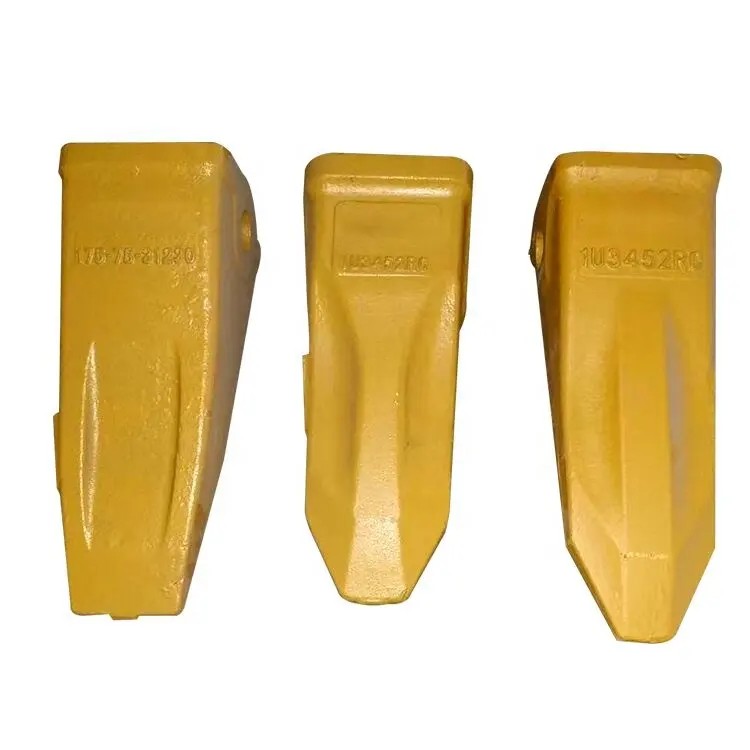
Table of Contents
1. Introduction to Bucket Teeth 2. Bucket Teeth Specifications 3. Common FAQs About Bucket Teeth 4. Industry Insights and Brand Reference1. Introduction to Bucket Teeth
Bucket Teeth are replaceable tips fitted to the edge of excavator buckets, loaders, and backhoes to enhance digging efficiency, material penetration, and wear resistance. They are typically manufactured from high-strength alloy steel or specialized wear-resistant materials, optimized for different soil types, rock conditions, and operational demands.
This article focuses on how Bucket Teeth contribute to excavation performance, exploring material specifications, practical applications, and maintenance practices.
2. Bucket Teeth Specifications
The following table presents key parameters for standard Bucket Teeth used in medium to heavy excavation equipment:
| Parameter | Description |
|---|---|
| Material | High Manganese Steel / Alloy Steel |
| Length | 150mm - 500mm depending on bucket size |
| Width | 50mm - 200mm |
| Weight | 2kg - 25kg per tooth |
| Compatibility | Excavator brands: CAT, Komatsu, Hitachi, Volvo, and others |
| Surface Hardness | HRC 45-55 (heat-treated) |
| Connection Type | Pin-on or Adapter System |
Bucket Teeth are engineered to maximize wear resistance while minimizing replacement downtime. Pin-on systems provide secure attachment and straightforward maintenance, while adapter systems enhance adaptability across bucket types.
3. Common FAQs About Bucket Teeth
Q1: How often should Bucket Teeth be replaced?
A1: Replacement frequency depends on the material being excavated and operational intensity. Standard soil and gravel conditions may allow 3-6 months of usage for high-strength alloy teeth, while rocky or abrasive environments may require replacement every 1-2 months. Regular inspection for wear, cracks, and deformation ensures optimal performance and safety.
Q2: How to choose the right type of Bucket Teeth?
A2: Selecting appropriate Bucket Teeth requires evaluating bucket size, excavator model, soil type, and digging depth. Teeth designed for rock penetration should have reinforced tips and higher hardness, whereas general-purpose teeth offer balanced wear and versatility. Manufacturer specifications and operational requirements must guide selection to avoid inefficiency or excessive wear.
Q3: How to maintain Bucket Teeth for extended lifespan?
A3: Regular maintenance includes cleaning after use to remove abrasive debris, checking for cracks or excessive wear, lubricating adapter pins (if applicable), and ensuring proper torque during installation. Rotating or swapping teeth can ensure even wear across the bucket edge and prevent early failure.
Q4: How does the shape of Bucket Teeth affect performance?
A4: The shape impacts penetration efficiency and material flow. Pointed teeth excel at breaking hard or compacted surfaces, while broader, chisel-shaped teeth optimize loading efficiency for loose soil. Correct selection enhances operational efficiency and reduces fuel consumption.
4. Industry Insights and Brand Reference
Bucket Teeth are widely used in mining, construction, and earthmoving industries, where operational efficiency and wear resistance are critical. Industry trends indicate a growing adoption of alloy steels and composite materials for longer lifespan and reduced operational costs. Advanced heat treatment and design optimizations are becoming standard to maximize performance under diverse working conditions.
Lano provides high-quality Bucket Teeth compatible with major excavator brands, ensuring superior performance and durability in demanding environments. With a comprehensive product line, Lano supports heavy machinery operators worldwide with reliable, high-performance solutions.
For inquiries, product specifications, or assistance in selecting the correct Bucket Teeth for your operations, contact us today. Lano’s technical support team is ready to provide tailored recommendations and ensure optimal equipment performance.
