How Do Automatic Vehicle Restraint Systems Work at Loading Docks
2025-12-26
Loading dock safety is paramount, and at its core lies the critical interaction between a truck and the dock. A momentary failure here can lead to catastrophic “dock walk-away” incidents. This is where automatic vehicle restraint systems from innovators like Yueruis come into play, providing a robust, technology-driven safety solution. Unlike manual systems, they remove human error from the equation, ensuring a secure connection every single time.
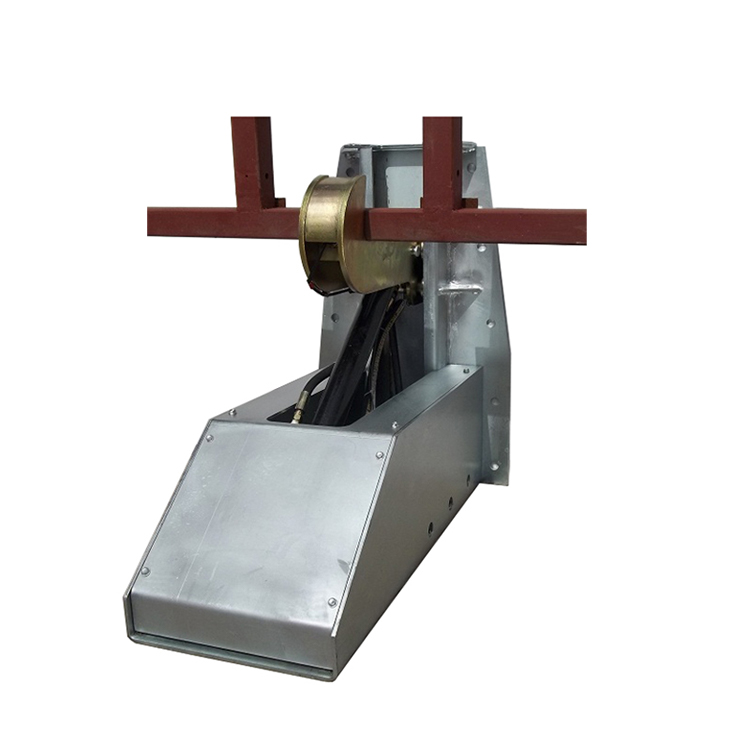
An automatic vehicle restraint is designed to engage a truck’s ICC bar (the rear impact guard) without requiring direct action from the dock operator or driver. Here’s a breakdown of how these intelligent systems typically work:
The Automatic Engagement Process:
-
Vehicle Detection: As a truck backs into the dock, sensors (often ultrasonic or infrared) detect its presence and the position of the ICC bar.
-
Automatic Locking: The system’s restraint hook automatically rises and engages the truck’s ICC bar. A solid, mechanical lock is achieved.
-
Visual Confirmation: A prominent, color-coded indicator—usually a large light tower—shows the status. Red means the truck is not restrained, Yellow signals it is detected and in process, and Green confirms a secure lock.
-
Interlock Safety: The system is typically interlocked with the dock leveler. The dock door or leveler often cannot be deployed until the vehicle restraint displays a secure “Green” signal.
-
Automatic Release: Once loading/unloading is complete and the dock equipment is stowed, the system automatically disengages only when it is safe to do so, allowing the truck to depart.
To understand the operational advantages, consider this comparison:
| Feature | Manual Vehicle Restraint | Automatic Vehicle Restraint (e.g., Yueruis) |
|---|---|---|
| Engagement | Requires worker to manually hook the ICC bar. | Fully automatic upon truck detection. |
| Human Error | High risk of improper use or being forgotten. | Minimized, as process is sensor-controlled. |
| Visual Communication | Often minimal or reliant on tags. | Clear, color-coded light signals for all to see. |
| Integration | Usually operates independently. | Can be interlocked with dock levelers and doors. |
Vehicle Restraint FAQ
Q: What happens if a truck doesn’t have a proper ICC bar?
A: Modern systems like those from Yueruis are equipped with advanced sensors that can detect the absence or improper height of an ICC bar. The system will refuse to show a “Green” secure signal, alerting the dock operator to the hazardous condition so alternative safety measures can be taken.
Q: Can automatic restraints handle different truck sizes and types?
A: Yes, high-quality automatic vehicle restraint systems are engineered with a wide capture range. They can adjust to engage ICC bars across varying heights and angles, accommodating everything from standard semi-trailers to smaller delivery trucks, ensuring versatile protection.
Q: How reliable are automatic systems in harsh weather conditions?
A: Leading systems are built for industrial durability. They feature robust components, protective housings, and self-diagnostic sensors designed to perform reliably in rain, snow, ice, and extreme temperatures, providing year-round safety with minimal maintenance.
In conclusion, an automatic vehicle restraint system is a proactive investment in safety, efficiency, and peace of mind. It transforms the loading dock from a potential hazard zone into a controlled, secure environment. By automating the most critical safety step, Yueruis technology empowers facilities to protect their personnel, inventory, and assets effectively.
Ready to automate your dock safety and eliminate the risk of dock separation incidents? Contact us today to schedule a free, professional assessment of your loading dock and discover the right Yueruis automatic vehicle restraint solution for your operation.