

How Do Angle Brackets Enhance Structural Stability?
2026-03-09
Angle brackets are essential components in modern construction, furniture assembly, and industrial frameworks. They offer precise angular support, ensuring materials remain securely connected while enhancing overall structural stability. This article explores the types, materials, applications, and installation practices of angle brackets to help engineers, builders, and DIY enthusiasts make informed decisions.
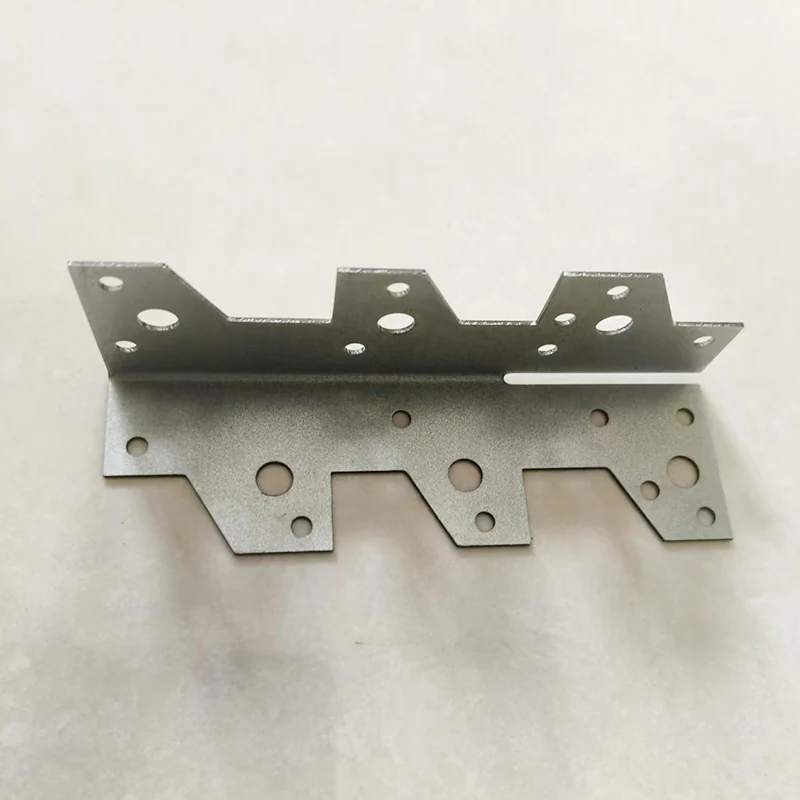
Table of Contents
- Definition and Purpose
- Types of Angle Brackets
- Materials and Finishes
- Installation Techniques
- Size and Specifications
- Frequently Asked Questions
- Conclusion and Contact
Definition and Purpose
An angle bracket is a metal or composite fastener shaped like an “L” to connect two surfaces at a specific angle, most commonly 90°. They are widely used in:
- Industrial manufacturing for machinery and equipment frames
- Architectural and interior decoration for support and reinforcement
- Furniture assembly to maintain structural integrity
By stabilizing joints and distributing loads evenly, angle brackets reduce the risk of structural failure.
Types of Angle Brackets
Angle brackets come in various forms depending on application requirements:
- Standard 90° Brackets: Used for typical right-angle connections in wood and metal frameworks.
- 135° Brackets: Designed for non-standard angles in architectural applications.
- Adjustable Brackets: Allow angle flexibility, suitable for customized projects.
- Reinforced Brackets: Thickened material for heavy-duty industrial use.
Materials and Finishes
The choice of material and finish determines the durability, strength, and corrosion resistance of angle brackets. Common options include:
| Material | Properties | Common Finish |
|---|---|---|
| Carbon Steel | High strength, cost-effective | Hot-dip galvanization, powder coating |
| Stainless Steel | Corrosion-resistant, durable | Electro-galvanized, brushed finish |
| Aluminum Alloy | Lightweight, moderate strength | Anodized coating, powder coating |
Installation Techniques
Correct installation ensures the angle bracket performs optimally:
- Pre-drilled holes: Most angle brackets come with pre-set holes compatible with standard bolts and screws.
- Surface preparation: Ensure the connecting surfaces are clean and level.
- Alignment: Use clamps or jigs to maintain proper alignment before fastening.
- Fastening: Apply bolts, screws, or nails securely without over-tightening, preserving material integrity.
Size and Specifications
Angle brackets vary in size and load capacity based on application. Typical specifications include:
| Parameter | Details |
|---|---|
| Length | 50mm–300mm |
| Thickness | 2mm–10mm |
| Load Capacity | Depends on material, thickness, and reinforcement |
| Hole Diameter | 5mm–12mm (standard compatible) |
Frequently Asked Questions
-
Q: Can angle brackets be used outdoors?
A: Yes, with appropriate corrosion-resistant materials like stainless steel or galvanized finishes, angle brackets are suitable for outdoor environments. -
Q: Are adjustable angle brackets strong enough for heavy loads?
A: High-quality adjustable brackets with reinforced designs can handle significant loads, but it is essential to follow manufacturer specifications. -
Q: How do I choose the right bracket for my project?
A: Consider the load requirements, material compatibility, and environmental conditions to select the suitable angle bracket type and finish.
Conclusion and Contact
S-SEN provides a comprehensive range of high-quality angle brackets, ensuring durability, precise alignment, and versatility across multiple applications. Whether for industrial, furniture, or architectural projects, S-SEN brackets offer reliable structural support tailored to your needs.
Discover our full range of products and make inquiries here: S-SEN Angle Brackets.
Contact us today to discuss your project requirements and receive professional guidance on selecting the perfect angle bracket solutions.
