Abstract: CNC machining is a cornerstone of modern manufacturing, offering precision, efficiency, and scalability for industries ranging from aerospace to medical devices. This article explores the core processes of CNC machining, its benefits, challenges, and practical applications. By understanding how CNC machining works, businesses can optimize production, reduce costs, and enhance product quality.
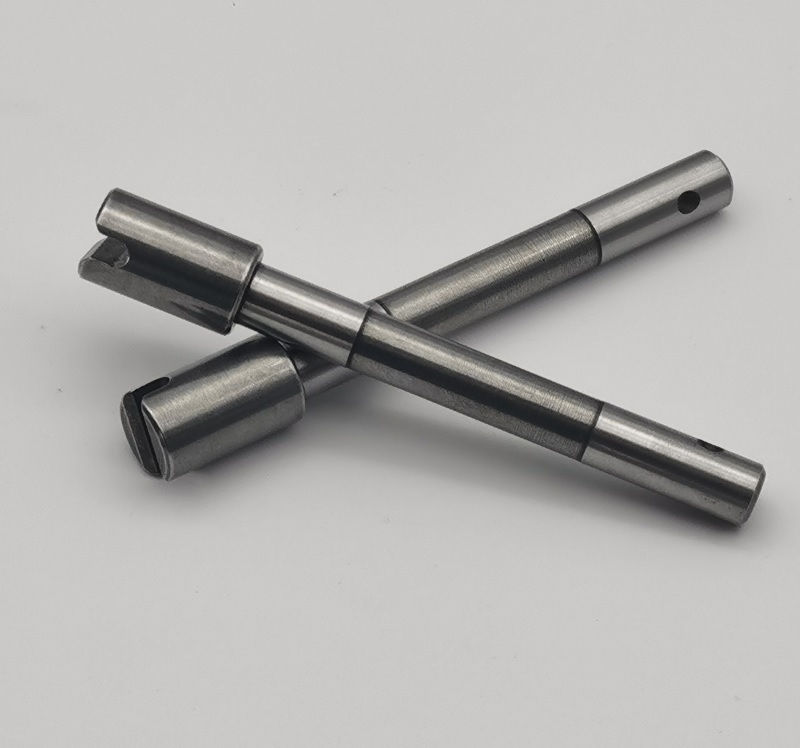
Table of Contents
- Introduction to CNC Machining
- CNC Machining Process Overview
- Types of CNC Machines
- Advantages of CNC Machining
- Common Challenges
- Applications Across Industries
- Frequently Asked Questions
- Conclusion
Introduction to CNC Machining
CNC, or Computer Numerical Control, machining is a technology that automates the control of machine tools using computer programming. Unlike manual machining, CNC machining allows for complex designs and highly precise components with minimal human intervention. Companies such as Ningbo Jinggang Machinery Co, Ltd. utilize CNC machining to produce high-quality parts that meet strict industry standards.
- Automated and precise machining process
- Ability to handle complex geometries
- Consistent high-quality output
CNC Machining Process Overview
The CNC machining process involves several critical stages. Understanding each stage can help businesses improve efficiency and reduce errors.
- Designing the Part: Engineers create a digital model using CAD (Computer-Aided Design) software.
- Generating Toolpaths: CAM (Computer-Aided Manufacturing) software converts the CAD model into machine instructions.
- Setting Up the Machine: Operators install the appropriate tools and materials onto the CNC machine.
- Executing the Program: The CNC machine follows the programmed toolpaths to cut, drill, or mill the material.
- Quality Inspection: Finished parts undergo precision measurement to ensure compliance with specifications.
Process Parameters Table
| Parameter | Description | Impact on Quality |
|---|---|---|
| Spindle Speed | Rotational speed of the cutting tool | Higher speed can improve finish but may cause overheating |
| Feed Rate | Rate at which the tool moves through material | Too fast can reduce precision, too slow can increase production time |
| Depth of Cut | Thickness of material removed in one pass | Too deep may damage the tool or workpiece |
Types of CNC Machines
CNC machining encompasses various machine types, each suited to specific tasks:
- CNC Milling Machines: Ideal for complex shapes, grooves, and slots.
- CNC Lathes: Best for cylindrical components like shafts or rods.
- CNC Routers: Common in woodworking, plastics, and softer metals.
- Multi-axis CNC Machines: Can move in multiple directions for intricate designs.
Choosing the right machine depends on the material, desired tolerances, and production volume.
Advantages of CNC Machining
Implementing CNC machining offers numerous benefits for manufacturers:
- High Precision: Capable of tolerances within microns, reducing human error.
- Consistency: Identical parts can be produced repeatedly without variation.
- Efficiency: Faster production cycles compared to manual machining.
- Flexibility: Quick adaptation to design changes through software updates.
- Cost Savings: Lower waste and reduced labor costs over time.
Common Challenges
While CNC machining is powerful, it presents certain challenges:
- Initial Investment: CNC machines can be expensive to purchase and maintain.
- Programming Complexity: Skilled operators are required to write and optimize G-code.
- Material Limitations: Harder materials may cause tool wear and require special tooling.
- Maintenance Needs: Regular calibration and servicing are essential to maintain accuracy.
Applications Across Industries
CNC machining is applied across multiple industries due to its precision and versatility:
- Aerospace: Manufacturing high-tolerance parts for aircraft engines and components.
- Automotive: Producing engine parts, gears, and custom vehicle components.
- Medical Devices: Creating surgical tools, implants, and prosthetics.
- Electronics: Crafting housings and components for circuit boards.
- Industrial Equipment: Building custom machinery parts for production lines.
By leveraging CNC machining, businesses can achieve greater design complexity and faster turnaround times than traditional manufacturing methods.
Frequently Asked Questions
Q1: What materials can CNC machines work with?
A: CNC machines can handle metals (aluminum, steel, titanium), plastics, wood, and composites, depending on the tooling and machine capabilities.
Q2: How accurate is CNC machining?
A: Typical CNC machines can achieve tolerances between ±0.005 mm and ±0.02 mm, depending on the machine and setup.
Q3: Is CNC machining cost-effective for small production runs?
A: While initial setup costs are higher, CNC machining can still be cost-effective for small runs when high precision is required or when reducing labor costs is important.
Q4: How do I choose a CNC machine for my business?
A: Consider factors like production volume, material types, tolerances, machine size, and available expertise.
Conclusion
CNC machining is a transformative technology that enhances manufacturing efficiency, precision, and flexibility. By understanding its processes, advantages, challenges, and applications, companies like Ningbo Jinggang Machinery Co, Ltd. help clients achieve high-quality production while optimizing costs and timelines.
Explore our CNC machining capabilities in detail at our CNC machining page and contact us today to discuss how we can support your next project with precision and reliability.