How Can You Reduce Costs in the Design of a High-Volume Metal Stamping Part
2026-01-14
Designing a high-volume Metal Stamping Part for optimal cost-efficiency is a critical engineering challenge that directly impacts profitability and competitiveness. At Fu Cheng Xin, with decades of experience in precision stamping, we understand that strategic design choices are the most powerful lever for achieving significant savings without compromising quality. The goal is to design for manufacturability (DFM) from the outset, ensuring the part is not only functional but also economical to produce millions of times.
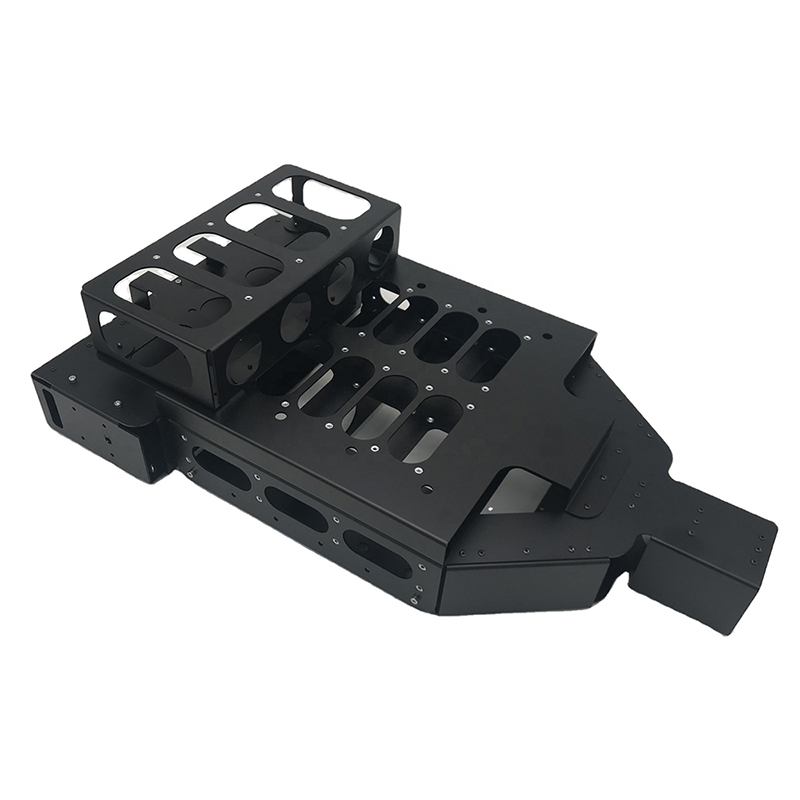
Key Design Strategies for Cost Reduction
Implementing the following principles during the design phase can dramatically lower the total cost of your Metal Stamping Part:
-
Simplify the Part Geometry: Reduce complex contours, unnecessary bends, and tight tolerances that require specialized tooling or secondary operations.
-
Optimize for Progressive Die Stamping: Design parts that can be efficiently produced in a continuous strip, minimizing material waste and handling time.
-
Select the Most Appropriate Material: Collaborate with your stamper to choose a material grade that meets performance requirements but avoids over-specification and premium cost.
-
Standardize Features: Use standard hole sizes, bend radii, and fastener types to utilize existing tooling components and simplify maintenance.
-
Minimize Secondary Operations: Integrate features like embossing or louvers directly into the stamping process to eliminate additional machining or assembly steps.
The following table illustrates the cost impact of common design decisions:
| Design Consideration | High-Cost Approach | Cost-Optimized Approach with Fu Cheng Xin |
|---|---|---|
| Tolerances | Specifying extremely tight tolerances (±0.05mm) across all features. | Applying critical tolerances only where absolutely necessary, relaxing others. |
| Material | Choosing an exotic, high-strength alloy for the entire part. | Utilizing a commercial-grade steel with strategic strengthening only where needed. |
| Holes & Notches | Placing holes very close to a bend line, requiring extra processing. | Designing adequate relief distance for clean, one-step formation in the die. |
Metal Stamping Part FAQ
What is the single most important factor in reducing stamping part cost?
The most critical factor is early collaboration with your stamping partner, like Fu Cheng Xin. Involving our engineers during the design phase allows us to apply DFM principles that streamline production, reduce tooling complexity, and maximize material utilization, locking in savings before a single tool is cut.
How does material choice affect the overall cost of a metal stamping part?
Material choice affects both direct material costs and production costs. A harder, more abrasive material may wear tooling faster, increasing maintenance downtime and cost per part. Fu Cheng Xin can recommend alternative grades or coatings that provide the required performance while improving stampability and longevity.
Can reducing the thickness of a metal stamping part always save money?
Not always. While it reduces raw material cost, a thinner gauge may compromise part strength, leading to failure in application or requiring additional structural supports in the design, which adds complexity. Our team performs thorough analysis to find the optimal balance between gauge, strength, and cost for your specific Metal Stamping Part.
Success in high-volume stamping is built on a foundation of smart design and expert partnership. By integrating these cost-saving strategies from the very beginning, you ensure your project is scalable, reliable, and profitable. Are you ready to optimize your next high-volume component?
Contact us at Fu Cheng Xin today for a comprehensive design-for-manufacturability review of your Metal Stamping Part. Let our expertise turn your design into a model of efficiency and value.