How Can You Properly Maintain a Mortar Pump Casing to Extend Its Lifespan
2026-03-12
When operating heavy construction equipment, the Mortar Pump Casing is often the most overlooked component, yet it serves as the critical pressure vessel containing the concrete mixture. Proper maintenance of your Mortar Pump Casing not only ensures safety on site but dramatically reduces downtime and replacement costs. At Shengjian Fanrong, we have engineered our casings for durability, but even the most robust equipment requires systematic care. Below is a professional guide to maximizing the service life of your equipment.
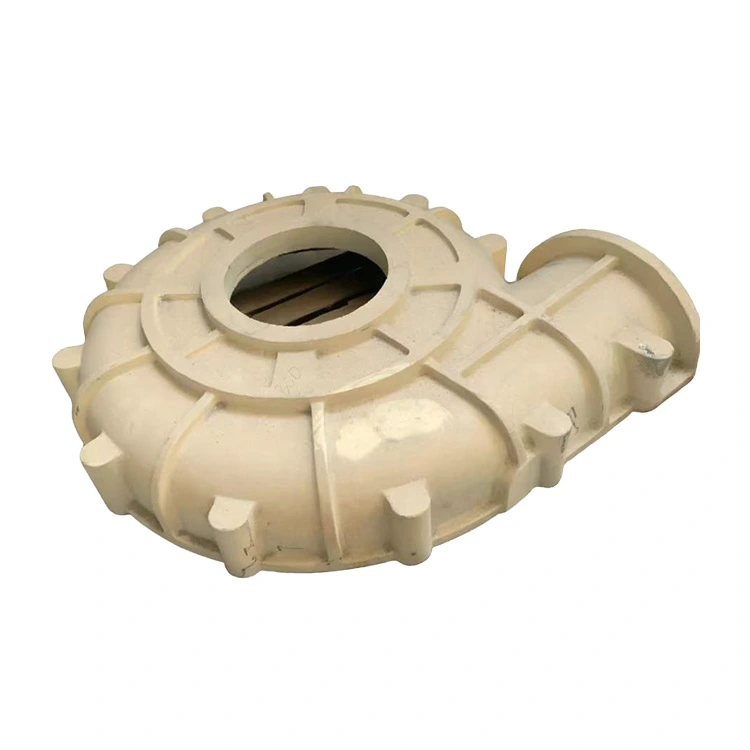
Daily Inspection Checklist
Before starting the machine each day, a visual and tactile inspection of the Mortar Pump Casing is essential. Wear and tear often begin subtly, and early detection prevents catastrophic failure.
| Inspection Point | Action Required | Frequency |
|---|---|---|
| Surface Cracks | Inspect for hairline fractures, especially around weld seams. | Daily |
| Wall Thickness | Use ultrasonic testers to detect thinning from abrasive wear. | Monthly |
| Bolt Torque | Check all flange bolts and retaining nuts for loosening. | Weekly |
| Seal Condition | Look for leaks indicating worn gaskets or O-rings. | Daily |
Cleaning Protocols
The abrasive nature of mortar means residue left inside the casing hardens like rock. This hardened layer accelerates erosion during the next use. Immediately after each pour, flush the Mortar Pump Casing with clean water mixed with a thinning agent. Never allow high-pressure washers to directly blast the external casing seals, as this can force debris into bearing assemblies.
Lubrication and Wear Management
Friction is the enemy of metal. Ensuring that moving parts interacting with the Mortar Pump Casing are well-lubricated reduces stress on the casing structure.
-
Grease Fittings: Apply high-temperature lithium grease to all external fittings daily.
-
Internal Wear: Monitor the clearance between the internal rotor and the Mortar Pump Casing. If clearance exceeds manufacturer specs (typically 0.5mm to 0.8mm), efficiency drops and cavitation may occur, damaging the casing interior.
The Shengjian Fanrong Advantage
While maintenance is universal, the starting quality of your equipment dictates how long it lasts. Shengjian Fanrong utilizes high-chrome alloy materials in our Mortar Pump Casing production, offering superior resistance to the sliding wear of sand and aggregate. This metallurgical choice means that when you follow the maintenance steps above, your casing will outlast standard carbon steel units by a significant margin.
Common Issues and Troubleshooting
Understanding the symptoms of a failing Mortar Pump Casing helps operators act swiftly.
-
Reduced Output Pressure: Often indicates internal leakage past the wear plates or a worn casing bore.
-
Excessive Vibration: Could signify a clog or, more seriously, a structural weakness developing in the mounting feet of the casing.
-
Overheating: Usually caused by friction between the rotor and a warped casing interior.
Frequently Asked Questions
Q: How often should the wear liners inside the Mortar Pump Casing be replaced?
A: The replacement interval depends entirely on the aggregate size and pumping hours. For standard sand-cement mixes, inspection every 300 to 500 operating hours is recommended. If you notice a significant drop in output pressure or visible scoring on the interior during borescope inspection, replacement is necessary immediately to protect the outer Mortar Pump Casing from damage.
Q: Can welding repairs be performed on a cracked Mortar Pump Casing?
A: Field welding is generally not recommended for high-stress areas of the Mortar Pump Casing. The heat-affected zone from welding creates hard spots that can lead to further cracking under pressure. If a crack appears, it is safer and more economical to consult the manufacturer. At Shengjian Fanrong, we offer refurbishment services that utilize controlled pre-heating and specific welding rods matched to the original alloy.
Q: What is the primary cause of premature failure in a Mortar Pump Casing?
A: The most common cause is abrasive wear combined with cavitation erosion. Running the pump dry, even for a few seconds, creates vacuum bubbles that implode against the casing wall, pitting the metal. Once the protective inner layer is compromised, the aggregate quickly grinds down the base material. Proper priming and never running the pump without material flow are critical habits.
Conclusion
Extending the lifespan of your Mortar Pump Casing is a combination of daily discipline and investing in quality equipment. By adhering to strict cleaning routines, monitoring wear tolerances, and understanding the warning signs of failure, you protect your investment and ensure project continuity. Shengjian Fanrong is committed to providing casings that withstand the toughest jobs, backed by expert support.
Is your current Mortar Pump Casing meeting your performance expectations? If you need a replacement, upgrade, or professional advice on maintaining your concrete pumping equipment, reach out to our team today.
Contact Us for detailed specifications or to schedule a consultation with our engineering staff.