How Can You Improve Cable Handling Efficiency with a Steel Cable Spool?
2026-07-01
Abstract
Steel cable spools play a critical role in the storage, transportation, and deployment of heavy-duty cables across industries such as construction, energy, telecommunications, and marine engineering. This article explains how a steel cable spool improves operational efficiency, enhances safety, and reduces cable damage risks. It also provides a detailed guide for selecting the right spool, maintaining it properly, and applying it in different industrial scenarios. Whether you are managing large-scale power transmission or industrial wiring systems, understanding steel cable spool design and functionality can significantly optimize your workflow.
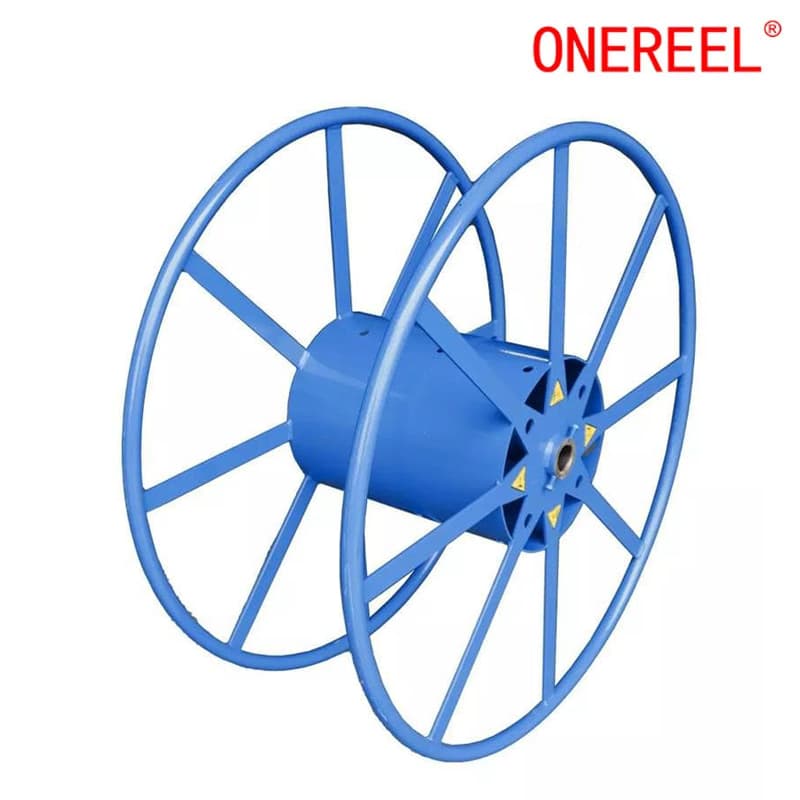
Table of Contents
- Introduction
- Core Functions of Steel Cable Spools
- Common Types and Structural Features
- How to Select the Right Steel Cable Spool
- Technical Specifications Overview
- Maintenance and Handling Best Practices
- Industrial Applications
- Frequently Asked Questions
- Conclusion
Introduction
A steel cable spool is an engineered drum used for winding, storing, and transporting various types of industrial cables, including electrical wires, fiber optic lines, and heavy-duty steel cables. Unlike wooden or plastic reels, steel cable spools offer superior load-bearing capacity, durability, and resistance to environmental stress.
In modern industrial environments, improper cable handling often leads to tangling, abrasion, and structural fatigue. These issues not only increase operational costs but also create safety hazards. Steel cable spools help mitigate these risks by ensuring controlled winding tension and organized storage.
Core Functions of Steel Cable Spools
Steel cable spools are designed to fulfill multiple operational roles beyond simple storage. Their engineering focuses on efficiency, protection, and ease of deployment.
- Cable Protection: Prevents bending stress, abrasion, and external damage during transport.
- Efficient Winding: Ensures even layering of cable to avoid overlap and deformation.
- Easy Deployment: Allows controlled unwinding during installation processes.
- Load Stability: Supports heavy cables under high tension without structural deformation.
- Reusability: Designed for multiple cycles of use, reducing long-term costs.
Common Types and Structural Features
Steel cable spools come in several configurations depending on industrial requirements. Each type is optimized for specific load capacities and operational conditions.
- Heavy-Duty Welded Spools: Designed for high-tension steel wire ropes and offshore applications.
- Bolted Disassemblable Spools: Easy to transport and assemble on-site.
- Flanged Steel Reels: Provide additional side support for precision winding.
- Custom Engineered Spools: Manufactured according to specific cable dimensions and load requirements.
Each structure typically includes flanges, a central barrel, and reinforced hubs designed to withstand axial and radial forces during rotation and transport.
How to Select the Right Steel Cable Spool
Selecting the correct steel cable spool requires careful consideration of technical parameters and operational needs. Choosing incorrectly can lead to cable damage, inefficiency, and increased downtime.
Key Selection Criteria:
- Cable Diameter Compatibility: Ensure spool barrel size matches cable thickness.
- Load Capacity: Evaluate maximum cable weight and tension requirements.
- Environmental Conditions: Consider corrosion resistance for marine or outdoor use.
- Rotation Stability: Spool must support smooth unwinding without vibration.
- Reusability Requirements: Determine if single-use or multi-cycle usage is needed.
Manufacturers such as Ningbo ONEREEL Machine Co., Ltd. provide customized steel cable spool solutions tailored to industry-specific demands, ensuring compatibility with modern cable handling systems.
Technical Specifications Overview
| Parameter | Standard Range | Description |
|---|---|---|
| Material | Carbon Steel / Alloy Steel | High strength and durability under load |
| Load Capacity | 500 kg – 50,000 kg | Varies depending on design and application |
| Diameter Range | 500 mm – 3000 mm | Compatible with different cable sizes |
| Surface Treatment | Galvanized / Painted | Corrosion resistance for harsh environments |
| Usage Cycle | Multi-use | Designed for repeated industrial operations |
Maintenance and Handling Best Practices
Proper maintenance extends the lifespan of steel cable spools and ensures consistent performance. Although steel spools are highly durable, neglecting inspection and cleaning can lead to operational inefficiencies.
Recommended Practices:
- Regular inspection for cracks, deformation, or corrosion.
- Lubrication of rotating components to reduce friction.
- Proper storage in dry environments to prevent rusting.
- Balanced loading to avoid uneven stress distribution.
- Cleaning after each use, especially in marine or construction environments.
By following these practices, companies can significantly reduce replacement frequency and improve operational safety.
Industrial Applications
Steel cable spools are widely used across multiple industries where heavy-duty cable handling is essential.
- Power Transmission: Used for electrical cable deployment in grid systems.
- Telecommunications: Supports fiber optic cable storage and installation.
- Construction Industry: Handles lifting cables and structural wiring systems.
- Marine Engineering: Suitable for offshore cable laying and recovery operations.
- Oil & Gas: Used in harsh environments requiring corrosion-resistant equipment.
In large-scale manufacturing and logistics operations, steel cable spools contribute to smoother workflow and reduced downtime caused by cable entanglement or damage.
Frequently Asked Questions
What is the main advantage of a steel cable spool over wooden reels?
Steel cable spools offer significantly higher durability, load capacity, and resistance to environmental damage compared to wooden reels, making them suitable for industrial-grade applications.
Can steel cable spools be reused?
Yes, most steel cable spools are designed for multiple usage cycles, provided they are properly maintained and inspected for structural integrity.
How do I know which spool size I need?
The selection depends on cable diameter, weight, and required winding length. Consulting with a manufacturer can ensure accurate specification matching.
Are steel cable spools suitable for outdoor use?
Yes, especially when treated with galvanization or anti-corrosion coatings, making them suitable for harsh outdoor and marine environments.
Conclusion
Steel cable spools are essential components in modern industrial cable management systems. Their structural strength, reusability, and adaptability make them indispensable for industries requiring reliable cable storage and transportation solutions. Proper selection and maintenance ensure long-term performance and reduced operational risks.
Companies such as Ningbo ONEREEL Machine Co., Ltd. specialize in providing high-quality steel cable spool solutions designed to meet global industrial standards and complex operational requirements.
If you are looking for durable, precision-engineered steel cable spools tailored to your project needs, feel free to contact us today for professional support and customized solutions.