Article Summary
Trapezoidal Screw is an essential mechanical transmission component widely used in industrial automation, lifting systems, CNC equipment, medical devices, and precision machinery. Choosing the right screw structure directly affects equipment efficiency, load capacity, service life, and maintenance costs. This article explains how Trapezoidal Screw technology works, what problems it can solve, how to select a suitable solution, and why professional manufacturing quality matters. With advanced production experience, Maitu provides reliable Trapezoidal Screw solutions designed to meet the requirements of different industrial applications.
Article Outline
-
Understanding the structure and working principle of Trapezoidal Screw
-
Identifying common mechanical transmission challenges
-
Exploring performance benefits and industrial applications
-
Learning how to choose suitable screw specifications
-
Understanding production quality and maintenance requirements
-
Answering common questions from industrial buyers
What Is Trapezoidal Screw?
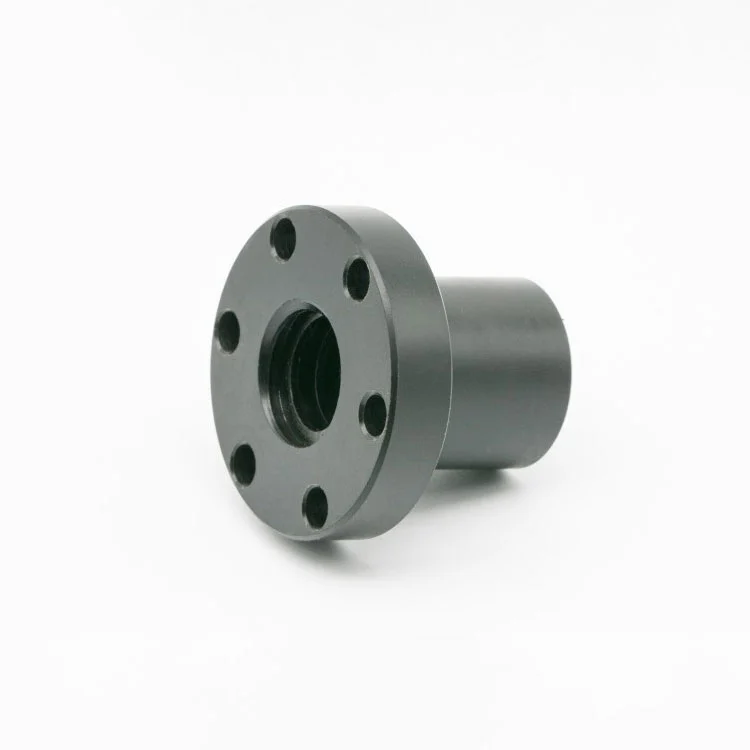
A Trapezoidal Screw is a mechanical transmission element featuring a trapezoidal thread profile that converts rotary motion into linear motion. Compared with traditional screw designs, its special thread geometry provides improved strength, stability, and resistance to wear, making it suitable for applications requiring reliable movement control and heavy-load operation.
The trapezoidal thread design distributes force more evenly across the contact surface. This helps reduce stress concentration and improves the durability of the screw and nut assembly. In many industrial machines, Trapezoidal Screw systems are preferred because they offer a practical balance between performance, cost efficiency, and operational reliability.
Unlike high-precision ball screws that are mainly used for extremely accurate positioning, Trapezoidal Screws are often selected for applications where strong load capability, self-locking performance, and long-term stability are more important.
What Problems Can Trapezoidal Screw Solve?
Industrial equipment manufacturers often face challenges such as insufficient load capacity, frequent maintenance, unstable movement, and high operating costs. A properly designed Trapezoidal Screw can effectively address these problems.
-
Heavy Load Transmission: The robust thread structure allows the screw to handle significant axial forces in demanding environments.
-
Stable Linear Movement: The trapezoidal thread profile supports smooth motion and reduces vibration during operation.
-
Long Service Life: High-quality materials and accurate machining improve wear resistance and operational reliability.
-
Cost Control: Compared with some advanced transmission solutions, Trapezoidal Screw provides an economical option for many industrial applications.
-
Simple Maintenance: The structure is relatively easy to maintain, replace, and integrate into existing equipment.
For manufacturers looking to improve machine performance while controlling production costs, selecting a reliable Trapezoidal Screw supplier is an important step.
What Are the Key Advantages of Trapezoidal Screw?
The popularity of Trapezoidal Screw comes from its practical advantages in different mechanical systems. A well-manufactured screw can significantly improve equipment operation and reduce unexpected downtime.
-
High Mechanical Strength: The thread shape provides excellent resistance against deformation under pressure.
-
Excellent Self-Locking Ability: In vertical lifting applications, the screw can help prevent unwanted movement when power is removed.
-
Good Wear Resistance: Proper material selection and surface treatment enhance durability.
-
Reliable Transmission: The design supports consistent motion conversion in industrial environments.
-
Flexible Customization: Different diameters, pitches, lengths, and materials can be produced according to equipment requirements.
Maitu focuses on manufacturing dependable Trapezoidal Screw products that meet various industrial requirements. Through strict production control and professional machining technology, the company helps customers achieve stable mechanical performance.
How to Select the Right Trapezoidal Screw?
Choosing a suitable Trapezoidal Screw requires careful consideration of working conditions, mechanical requirements, and application environment. An incorrect selection may lead to reduced efficiency, excessive wear, or premature failure.
-
Load Requirements: Determine the maximum axial load the screw needs to support.
-
Operating Speed: Consider whether the application requires slow, medium, or high-speed movement.
-
Accuracy Requirements: Select the appropriate screw tolerance based on positioning needs.
-
Working Environment: Consider temperature, dust, moisture, and chemical exposure.
-
Material Selection: Choose suitable materials according to strength and durability requirements.
Professional technical support can help customers avoid unnecessary costs caused by improper selection. Working with an experienced manufacturer allows users to obtain a more suitable transmission solution.
Where Is Trapezoidal Screw Commonly Used?
Due to its reliable transmission characteristics, Trapezoidal Screw is widely applied in many industries. Typical applications include:
-
CNC Machinery: Used for positioning and movement control in machine tools.
-
Automation Equipment: Provides stable linear motion for production systems.
-
Lifting Equipment: Supports vertical movement and load handling operations.
-
Packaging Machinery: Enables accurate adjustment and mechanical movement.
-
Medical Equipment: Used in devices requiring controlled mechanical adjustment.
-
Industrial Testing Equipment: Provides dependable movement performance during testing processes.
The versatility of Trapezoidal Screw makes it an important component for improving the reliability of modern mechanical systems.
How Does Manufacturing Quality Affect Performance?
The performance of a Trapezoidal Screw depends greatly on manufacturing accuracy, material quality, and production processes. Even small differences in thread accuracy can influence equipment efficiency and service life.
Reliable manufacturers focus on every production stage, including raw material selection, precision machining, thread inspection, surface treatment, and final quality testing. These processes ensure that each screw meets required mechanical standards.
Maitu applies professional manufacturing methods to produce Trapezoidal Screw products with consistent quality and dependable performance. By focusing on precision and durability, Maitu supports customers in achieving long-term equipment operation.
How Can Users Extend Trapezoidal Screw Service Life?
Proper maintenance is essential for maximizing the service life of mechanical transmission components. Users can improve performance by following several practical methods:
-
Apply suitable lubrication regularly according to operating conditions.
-
Keep the screw surface clean and prevent contamination from dust or particles.
-
Check thread wear periodically during equipment operation.
-
Avoid excessive loads beyond the designed capacity.
-
Ensure proper alignment between screw and connected components.
Regular inspection not only extends component life but also reduces unexpected equipment downtime and maintenance expenses.
Frequently Asked Questions About Trapezoidal Screw
What is the main difference between Trapezoidal Screw and Ball Screw?
Trapezoidal Screw uses sliding contact between the screw and nut, while Ball Screw uses rolling elements to reduce friction. Trapezoidal Screw is often chosen for applications requiring strong load capacity, self-locking ability, and cost efficiency.
Can Trapezoidal Screw be customized?
Yes. Professional manufacturers can customize specifications such as diameter, pitch, length, thread accuracy, and material according to different equipment requirements.
How long does a Trapezoidal Screw usually last?
Service life depends on factors including load condition, lubrication, operating environment, manufacturing quality, and maintenance practices.
Why choose Maitu for Trapezoidal Screw products?
Maitu provides professional Trapezoidal Screw solutions with attention to precision manufacturing, product reliability, and customer requirements. The company supports different industrial applications with dependable mechanical transmission components.
Conclusion
Trapezoidal Screw plays an important role in modern mechanical transmission systems by providing stable movement, strong load capacity, and reliable operation. Selecting the correct product and working with an experienced manufacturer can greatly improve equipment performance and reduce long-term operating costs.
Maitu is committed to delivering high-quality Trapezoidal Screw solutions for global customers. Whether you need standard products or customized transmission components, contact us today to discuss your requirements and find the right solution for your application.


