How Can Transmission Line Fittings Improve the Reliability of Power Transmission Systems?
2026-07-10
Article Summary
Transmission line fittings are essential components that ensure the safety, stability, and efficiency of overhead power transmission networks. Although they are often small compared with towers and conductors, these fittings directly influence electrical performance, mechanical strength, and long-term operational reliability. Selecting unsuitable fittings may lead to conductor damage, power loss, equipment failure, and costly maintenance.
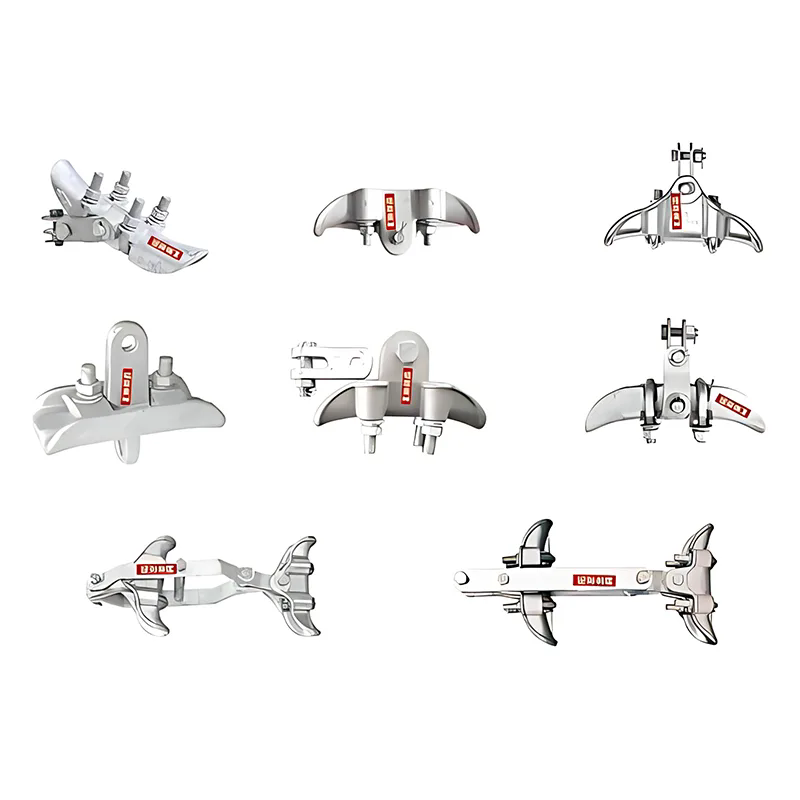
This comprehensive guide explains how transmission line fittings support modern power infrastructure, what challenges engineers commonly face during selection and installation, and how advanced solutions can help improve transmission system performance. With professional manufacturing experience and reliable product solutions, Huixing provides high-quality transmission line fittings designed to meet different power transmission requirements worldwide.
Table of Contents
- 1. Introduction: Why Transmission Line Fittings Matter
- 2. Common Challenges in Transmission Line Fitting Applications
- 3. What Types of Transmission Line Fittings Are Available?
- 4. How to Select the Right Transmission Line Fittings?
- 5. Benefits of Using Reliable Transmission Line Fittings
- 6. Installation and Maintenance Considerations
- 7. Quality Standards and Manufacturing Requirements
- 8. Why Choose Huixing for Transmission Line Fittings?
- 9. Frequently Asked Questions About Transmission Line Fittings
Article Outline
- Understanding the role of transmission line fittings in electrical networks
- Identifying problems caused by poor-quality fittings
- Exploring different fitting categories and applications
- Choosing suitable fittings according to transmission requirements
- Improving system safety, efficiency, and service life
- Understanding professional manufacturing advantages
1. Introduction: Why Transmission Line Fittings Matter
Modern electricity networks depend on reliable transmission systems to deliver power from generation facilities to cities, industries, and residential areas. Overhead transmission lines operate under complex environmental and mechanical conditions, including strong winds, temperature changes, vibration, ice loading, and continuous electrical stress.
Transmission line fittings play a critical role in maintaining the connection between conductors, insulators, towers, and other components. These accessories are responsible for supporting conductors, controlling mechanical tension, improving electrical performance, and protecting transmission equipment from damage.
Many transmission failures are not caused by major structural problems but by small component failures. Poorly designed or improperly selected fittings may create issues such as conductor abrasion, overheating, corona discharge, and unexpected line interruptions.
For this reason, power companies and engineering contractors need dependable transmission line fittings that provide excellent mechanical strength, corrosion resistance, and long-term stability.
2. Common Challenges in Transmission Line Fitting Applications
Selecting transmission line fittings is not simply about purchasing standard accessories. Different projects require different solutions depending on voltage levels, conductor types, installation environments, and operating conditions.
| Common Challenge | Possible Impact | Recommended Solution |
|---|---|---|
| Incorrect fitting selection | Reduced transmission efficiency and equipment damage | Choose fittings according to conductor specifications and project requirements |
| Extreme weather exposure | Corrosion, mechanical failure, and shortened service life | Use durable materials with protective surface treatment |
| Mechanical vibration | Conductor wear and connection loosening | Apply suitable vibration-resistant fittings |
| Poor installation quality | Safety risks and maintenance problems | Follow professional installation procedures |
Understanding these challenges helps engineers select components that can maintain stable operation throughout the entire service period of a transmission line.
3. What Types of Transmission Line Fittings Are Available?
Transmission line fittings include a wide range of accessories designed for different functions. Each type has a specific purpose within overhead power transmission systems.
| Fitting Type | Main Function | Typical Application |
|---|---|---|
| Suspension Fittings | Support conductors and maintain proper positioning | Suspension towers and standard transmission sections |
| Tension Fittings | Secure conductors under mechanical tension | Dead-end towers and high-load areas |
| Connecting Fittings | Join conductors and ensure electrical continuity | Conductor connection points |
| Protective Fittings | Reduce damage from vibration and electrical stress | High-voltage transmission environments |
| Ground Wire Fittings | Support grounding conductors | Lightning protection systems |
The correct combination of fittings ensures that transmission lines can operate safely while reducing maintenance requirements.
4. How to Select the Right Transmission Line Fittings?
Choosing suitable transmission line fittings requires consideration of multiple technical factors. A reliable selection process can prevent operational problems and improve project efficiency.
- Conductor Compatibility: Fittings should match conductor diameter, material, and structural characteristics.
- Voltage Requirements: Different voltage levels require fittings with appropriate electrical performance.
- Mechanical Strength: Components must withstand expected tension, vibration, and environmental loads.
- Environmental Conditions: Coastal, industrial, and high-altitude areas may require enhanced corrosion resistance.
- Installation Requirements: Products should support efficient installation and future maintenance.
Professional manufacturers can provide technical recommendations based on project conditions, helping customers avoid unnecessary replacement costs.
5. Benefits of Using Reliable Transmission Line Fittings
High-quality transmission line fittings provide significant advantages for power infrastructure projects.
| Benefit | Description |
|---|---|
| Improved Safety | Strong connections reduce the risk of line failures and unexpected outages. |
| Long Service Life | Durable materials help components withstand harsh operating conditions. |
| Lower Maintenance Costs | Reliable fittings reduce inspection frequency and replacement requirements. |
| Better Electrical Performance | Proper design helps minimize energy loss and electrical issues. |
| Higher System Stability | Stable mechanical support improves overall transmission reliability. |
6. Installation and Maintenance Considerations
Even the best transmission line fittings require proper installation and regular inspection to achieve optimal performance. Incorrect installation may reduce product effectiveness and create hidden safety risks.
- Verify product specifications before installation.
- Inspect fittings for damage during transportation.
- Use appropriate tools and installation methods.
- Check connection points regularly during operation.
- Replace components showing excessive wear or corrosion.
A professional maintenance strategy helps extend transmission line service life and ensures continuous power delivery.
7. Quality Standards and Manufacturing Requirements
Transmission line fittings must meet strict requirements because they directly affect power network reliability. Professional manufacturing involves careful material selection, precision processing, and strict quality inspection.
Important manufacturing factors include:
- High-strength raw materials for mechanical durability
- Advanced production technology for accurate dimensions
- Surface treatment for corrosion resistance
- Reliable testing procedures before delivery
- Consistent performance across different applications
Working with an experienced manufacturer allows customers to obtain products that meet demanding engineering conditions.
8. Why Choose Huixing for Transmission Line Fittings?
Huixing focuses on providing dependable transmission line fittings for power transmission projects. With professional manufacturing capabilities and a commitment to product reliability, Huixing develops solutions designed for different electrical and mechanical requirements.
The company understands that every transmission project has unique challenges. Therefore, product design and manufacturing processes emphasize durability, safety, and practical application performance.
By combining quality materials, advanced production technology, and industry experience, Huixing helps customers build more stable and efficient power transmission systems.
Whether for new transmission construction, system upgrades, or replacement projects, choosing reliable fittings is essential for achieving long-term operational value.
9. Frequently Asked Questions About Transmission Line Fittings
Q1: What are transmission line fittings used for?
Transmission line fittings are used to connect, support, protect, and secure components in overhead power transmission systems. They help maintain mechanical stability and electrical reliability.
Q2: Why is the quality of transmission line fittings important?
High-quality fittings reduce risks such as conductor damage, connection failure, corrosion, and unexpected power interruptions.
Q3: How long can transmission line fittings last?
Service life depends on material quality, installation conditions, environmental exposure, and maintenance practices. Properly designed fittings can provide long-term reliable performance.
Q4: Can transmission line fittings be customized?
Yes. Professional manufacturers can provide customized solutions according to conductor specifications, voltage levels, and project requirements.
Q5: How should customers choose a transmission line fittings supplier?
Customers should evaluate manufacturing experience, product quality, technical support, production capability, and project experience before selecting a supplier.
Conclusion
Transmission line fittings are small but essential components that determine the safety and reliability of power transmission networks. From supporting conductors to improving electrical performance, these fittings directly influence the efficiency and stability of modern electricity systems.
Choosing professionally manufactured products can help reduce maintenance challenges, improve system durability, and ensure reliable power transmission performance. Huixing provides dependable transmission line fittings designed to meet various engineering needs.
For high-quality transmission line fittings solutions and professional technical support, contact us today and discover how Huixing can help improve your power transmission projects.