How Can Switch Steel Housing Improve the Durability and Reliability of Industrial Electrical Systems?
2026-06-08
Industrial electrical systems operate in demanding environments where equipment is exposed to dust, moisture, vibration, temperature fluctuations, and mechanical impact. One critical component that directly affects system performance and longevity is the Switch Steel Housing. Choosing the right housing solution not only protects internal electrical components but also reduces maintenance costs, minimizes downtime, and improves overall operational safety.
In this article, we explore how Switch Steel Housing enhances durability, reliability, and performance in various industrial applications while helping businesses achieve long-term operational efficiency.
Article Summary
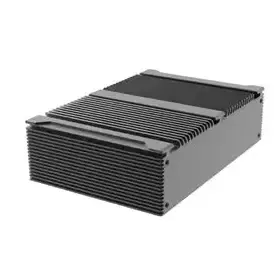
Switch Steel Housing serves as a protective enclosure for electrical switches and control components. Its robust construction provides superior protection against environmental hazards, physical damage, corrosion, and operational wear. Industries such as manufacturing, energy, transportation, automation, and infrastructure increasingly rely on steel housings to ensure uninterrupted operation and enhanced equipment lifespan.
Table of Contents
- What Is Switch Steel Housing?
- Why Is Protection Important for Electrical Systems?
- Key Benefits of Switch Steel Housing
- Steel Housing vs Other Housing Materials
- Industrial Applications
- How to Choose the Right Switch Steel Housing
- Maintenance Tips
- Future Trends in Switch Housing Design
- Frequently Asked Questions
- Conclusion
What Is Switch Steel Housing?
Switch Steel Housing refers to a metal enclosure designed to protect switches, electrical control units, and related components from external environmental and mechanical threats. These housings are typically manufactured using high-quality steel materials that provide exceptional strength and long-term durability.
The housing acts as a protective barrier while allowing operators convenient access to internal electrical controls. Depending on the application, manufacturers can provide different sizes, wall thicknesses, coatings, sealing methods, and mounting configurations.
Common features include:
- High-strength steel construction
- Corrosion-resistant surface treatment
- Dust-proof and waterproof sealing
- Impact-resistant structure
- Customizable dimensions and openings
- Long service life under harsh conditions
Why Is Protection Important for Electrical Systems?
Industrial environments can be extremely challenging for electrical equipment. Without adequate protection, switches and control systems may suffer premature failure, resulting in costly repairs and production interruptions.
Several common threats include:
- Water infiltration
- Dust accumulation
- Chemical exposure
- Mechanical impact
- Extreme temperatures
- Continuous vibration
- Corrosive environments
A properly designed Switch Steel Housing significantly reduces these risks by creating a secure enclosure that shields sensitive components from external hazards.
Key Benefits of Switch Steel Housing
1. Superior Mechanical Strength
Steel offers exceptional structural integrity compared with many alternative materials. It can withstand heavy impacts, accidental collisions, and operational stresses commonly found in industrial settings.
This durability helps prevent enclosure deformation and protects internal components from physical damage.
2. Excellent Corrosion Resistance
Modern Switch Steel Housing products often incorporate specialized coatings, galvanization, powder coating, or other surface treatments that improve corrosion resistance.
This feature is especially valuable in:
- Coastal facilities
- Chemical plants
- Wastewater treatment facilities
- Outdoor installations
- High-humidity environments
3. Enhanced Safety Protection
Safety remains a top priority for industrial operations. Steel housings help isolate electrical components, reducing exposure risks for operators and maintenance personnel.
Additional safety advantages include:
- Reduced accidental contact
- Protection from electrical hazards
- Improved fire resistance
- Secure locking mechanisms
4. Long-Term Cost Savings
Although steel housings may require a higher initial investment than some alternatives, their extended lifespan and reduced maintenance requirements often result in lower total ownership costs.
Organizations benefit from:
- Fewer equipment failures
- Lower replacement costs
- Reduced downtime
- Improved operational efficiency
5. Adaptability Across Industries
Switch Steel Housing solutions can be customized to meet specific industry requirements. Manufacturers can modify dimensions, openings, mounting systems, sealing ratings, and surface finishes according to customer specifications.
Steel Housing vs Other Housing Materials
| Feature | Steel Housing | Plastic Housing | Aluminum Housing |
|---|---|---|---|
| Mechanical Strength | Excellent | Moderate | Good |
| Impact Resistance | Excellent | Limited | Good |
| Corrosion Protection | Very Good with Coating | Excellent | Excellent |
| Fire Resistance | Excellent | Moderate | Good |
| Long-Term Durability | Excellent | Moderate | Good |
| Industrial Suitability | Excellent | Light-Duty Applications | Medium-Duty Applications |
For heavy-duty industrial environments, steel remains one of the most reliable enclosure materials available.
Industrial Applications of Switch Steel Housing
Switch Steel Housing is widely used across multiple sectors where equipment protection is critical.
Manufacturing Facilities
Production environments often expose electrical equipment to vibration, dust, oils, and mechanical impact. Steel housings provide dependable protection and maintain operational continuity.
Power Distribution Systems
Electrical substations and power distribution networks require durable enclosures capable of protecting critical switching equipment under demanding operating conditions.
Automation Equipment
Industrial automation systems rely on precise control mechanisms. Protective steel housings help maintain consistent performance while minimizing unexpected failures.
Transportation Infrastructure
Railways, airports, ports, and transportation hubs utilize steel switch enclosures because of their durability and ability to withstand outdoor exposure.
Renewable Energy Projects
Solar farms and wind power facilities frequently use steel enclosures to protect electrical switching devices from environmental exposure and weather-related challenges.
How to Choose the Right Switch Steel Housing
Selecting the appropriate housing requires evaluating several important factors.
| Selection Factor | Consideration |
|---|---|
| Operating Environment | Indoor or outdoor installation |
| Protection Level | Required dust and water resistance |
| Material Thickness | Expected impact and load conditions |
| Corrosion Resistance | Humidity and chemical exposure levels |
| Customization Needs | Openings, mounting options, dimensions |
| Maintenance Access | Ease of inspection and servicing |
Working with an experienced manufacturer ensures the enclosure meets both technical and operational requirements.
Maintenance Tips for Longer Service Life
Even durable steel housings benefit from routine maintenance. Following these practices can maximize performance:
- Inspect surface coatings regularly
- Check sealing components for wear
- Clean accumulated dust and debris
- Verify locking mechanisms function correctly
- Address corrosion signs immediately
- Inspect mounting hardware periodically
Preventive maintenance helps maintain enclosure integrity and reduces the likelihood of unexpected failures.
Future Trends in Switch Housing Design
As industrial systems become more advanced, enclosure technology continues to evolve. Manufacturers are focusing on:
- Smarter monitoring integration
- Improved corrosion-resistant coatings
- Lighter yet stronger steel structures
- Enhanced sealing technologies
- More sustainable manufacturing processes
- Greater customization capabilities
These developments help businesses improve reliability while meeting increasingly demanding operational requirements.
Frequently Asked Questions
What is the primary purpose of Switch Steel Housing?
Its main purpose is to protect switches and electrical control components from environmental hazards, physical damage, and operational wear.
Is steel housing suitable for outdoor applications?
Yes. With proper coatings and sealing systems, steel housings can provide excellent performance in outdoor environments.
How does steel compare with plastic enclosures?
Steel generally offers higher strength, better impact resistance, improved fire resistance, and longer service life in demanding industrial applications.
Can Switch Steel Housing be customized?
Yes. Manufacturers can customize dimensions, openings, mounting methods, finishes, and protection levels according to project requirements.
Which industries commonly use Switch Steel Housing?
Manufacturing, power distribution, automation, transportation, renewable energy, infrastructure, and heavy industrial sectors all rely on steel switch housings.
Conclusion
Switch Steel Housing plays a vital role in protecting industrial electrical systems from environmental challenges, mechanical damage, and operational risks. Its exceptional strength, durability, safety characteristics, and adaptability make it an ideal solution for demanding industrial applications. By selecting a high-quality housing solution, businesses can improve equipment reliability, reduce maintenance expenses, and achieve greater long-term operational efficiency.
Xinyang is committed to providing high-quality Switch Steel Housing solutions tailored to diverse industrial requirements. Whether you need standard designs or customized manufacturing support, our experienced team is ready to help you find the right solution for your project. Contact us today to discuss your requirements and discover how Xinyang can help enhance the reliability, safety, and performance of your electrical systems.