

How Can Stainless Steel Pipe Elbows Improve Piping Systems Efficiency?
2026-01-28
Article Abstract
Stainless steel pipe elbows are essential components in modern piping systems, enabling smooth directional changes while maintaining system integrity and efficiency. This article provides an in-depth analysis of stainless steel pipe elbows, covering material specifications, angle types, applications across various industries, installation guidelines, and common troubleshooting questions. By understanding the technical parameters and functional benefits of these components, engineers and system designers can make informed decisions for long-lasting and reliable piping infrastructure.
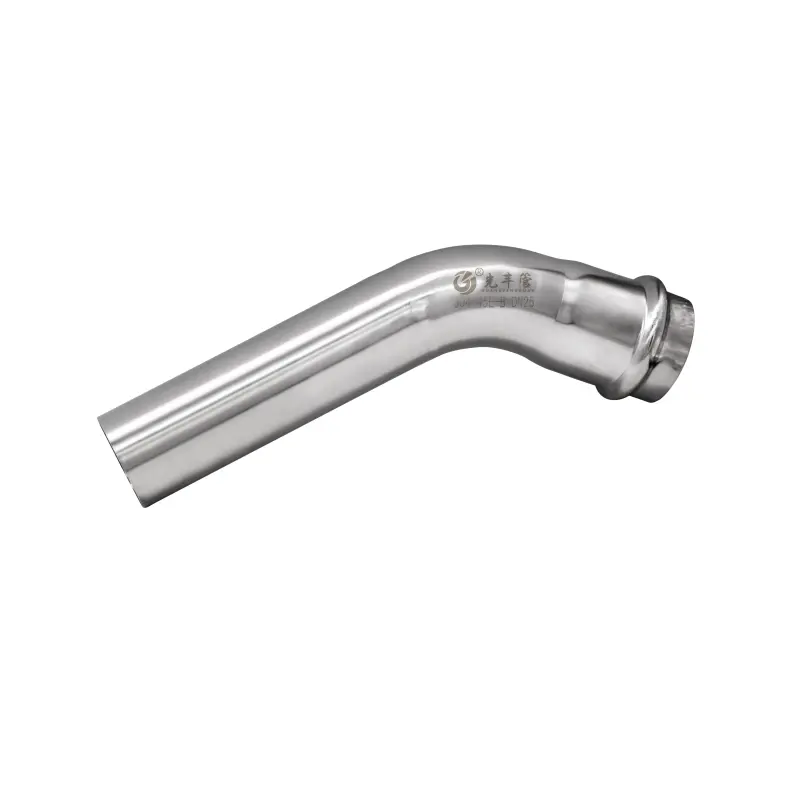
Table of Contents
- Article Outline
- Product Overview
- Types and Angles of Stainless Steel Pipe Elbows
- Material Specifications and Technical Parameters
- Industrial Applications and Advantages
- Installation Considerations
- Frequently Asked Questions
- Conclusion and Contact Information
Article Outline
- Introduction and relevance of stainless steel pipe elbows
- Angle variations and structural design considerations
- Material choices and corrosion resistance
- Technical parameters and quality standards
- Industrial applications and benefits for efficiency
- Installation best practices and precautions
- FAQ: common queries and professional answers
- Brand reference and contact guidance
Product Overview
Stainless steel pipe elbows are curved pipe fittings used to change the flow direction within a piping network. They provide critical support for maintaining fluid dynamics, pressure consistency, and structural stability. Available in various angles, sizes, and materials, these components are widely adopted in industries such as chemical processing, oil and gas, water treatment, and food production. Proper selection and installation of stainless steel pipe elbows can reduce system stress, prevent leaks, and improve overall pipeline efficiency.
Types and Angles of Stainless Steel Pipe Elbows
Different piping systems require specific elbow designs to optimize flow and reduce pressure drops. Common types include:
- 90° Elbow: Used for sharp directional changes while maintaining compact layout.
- 45° Elbow: Reduces turbulence and is suitable for gradual directional transitions.
- 180° Return Elbow: Allows the flow to reverse direction in limited space.
- Long Radius Elbow: Provides smooth fluid flow with minimal friction losses.
- Short Radius Elbow: Suitable for tight spaces but may induce higher pressure drop.
Selecting the right angle type depends on system pressure, flow requirements, and available space, balancing operational efficiency with installation constraints.
Material Specifications and Technical Parameters
High-quality stainless steel pipe elbows are manufactured from corrosion-resistant alloys, ensuring durability in aggressive environments. Technical parameters include:
| Parameter | Specification |
|---|---|
| Material Grade | 304, 304L, 316, 316L Stainless Steel |
| Diameter Range | 1/2 inch to 48 inches |
| Wall Thickness | Schedule 10 to Schedule 160 |
| Connection Type | Butt-welded, Socket-welded, Threaded |
| Surface Finish | Polished, Pickled, Mill Finish |
| Operating Temperature | -196°C to 870°C |
| Operating Pressure | Up to 5000 psi (depending on material and thickness) |
Industrial Applications and Advantages
Stainless steel pipe elbows offer multiple advantages in diverse industrial contexts:
- Chemical Processing: Resistant to corrosive fluids and high temperatures.
- Oil and Gas: Withstand high pressure and abrasive conditions.
- Food and Beverage: Hygiene-compliant surface finishes prevent contamination.
- Water Treatment: Long service life under wet and high-pressure conditions.
- HVAC Systems: Facilitate smooth air and fluid transitions with minimal energy loss.
By reducing turbulence and maintaining structural integrity, these elbows help increase system lifespan and operational efficiency.
Installation Considerations
Proper installation ensures reliable performance and minimizes maintenance requirements. Key considerations include:
- Alignment: Ensure elbows are accurately positioned to prevent stress and vibration.
- Welding Quality: Butt-welded and socket-welded connections should comply with industry standards.
- Support: Use adequate pipe supports to distribute load and prevent sagging.
- Corrosion Protection: Apply protective coatings in environments exposed to chemicals or high humidity.
- Inspection: Perform pressure testing and visual inspections after installation.
Frequently Asked Questions
Q: What is the difference between 304 and 316 stainless steel elbows?
A: 316 stainless steel contains molybdenum, offering superior corrosion resistance, especially in chloride environments, compared to 304.
Q: Can stainless steel pipe elbows handle high-pressure applications?
A: Yes. With proper material selection, wall thickness, and welding practices, they can operate under pressures up to 5000 psi.
Q: How do I choose the right elbow angle for my system?
A: Consider flow rate, pressure drop, and space constraints. 45° elbows reduce turbulence, while 90° elbows are suitable for compact layouts.
Conclusion and Contact Information
Stainless steel pipe elbows are indispensable for creating efficient and durable piping networks. By understanding the types, materials, and installation practices, engineers can ensure optimal system performance and longevity. Guangfeng offers a wide range of high-quality stainless steel pipe elbows tailored to various industrial applications.
For detailed product information, customized solutions, and project inquiries, please contact us to discuss your specific piping system needs.
