Modern racetracks demand more than speed alone. Safety, durability, vibration control, and surface protection are all critical for maintaining a professional racing environment. Racetrack Area Rubber Parts play an essential role in reducing impact damage, protecting infrastructure, minimizing noise, and improving track efficiency. From pit lanes to barriers and service areas, high-quality rubber components help extend facility lifespan while enhancing the racing experience for drivers, crews, and spectators alike.
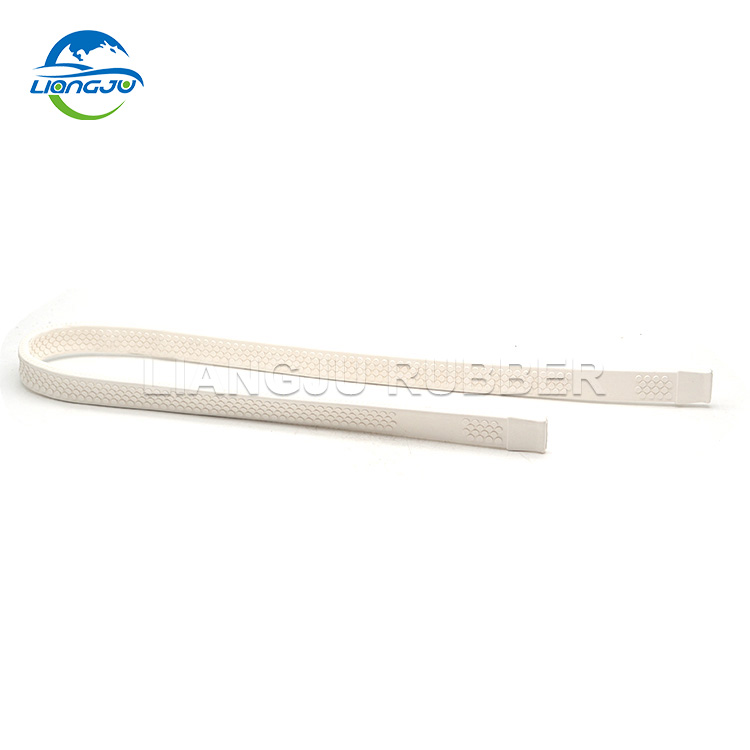
The Importance of Racetrack Area Rubber Parts
Racing environments are exposed to constant stress from high-speed vehicles, heavy equipment, changing weather conditions, and repeated impact forces. Without proper protective systems, racetrack infrastructure can deteriorate quickly, leading to expensive repairs and increased safety risks.
Racetrack Area Rubber Parts are specifically designed to absorb shocks, resist abrasion, and improve operational reliability. These products are commonly installed around safety barriers, garages, service lanes, curbs, pit stops, spectator areas, and vehicle maintenance zones.
High-performance rubber components also help reduce vibration transfer and protect sensitive structures from long-term damage caused by repetitive movement and collision.
-
Enhanced driver and crew safety
-
Reduced infrastructure maintenance costs
-
Improved resistance to impact and wear
-
Better noise and vibration control
-
Long-term durability in outdoor conditions
Common Applications Around Racetracks
Rubber products are used throughout modern motorsport facilities because of their flexibility and durability. Different racetrack zones require specialized rubber components to handle unique operational demands.
|
Application Area
|
Purpose
|
|
Crash Barriers
|
Absorb collision energy and reduce impact damage
|
|
Pit Lane Protection
|
Prevent surface damage from heavy equipment and vehicles
|
|
Garage Flooring
|
Provide anti-slip performance and vibration reduction
|
|
Track Edge Protection
|
Protect curbs and structural edges from wear
|
|
Spectator Zones
|
Reduce noise and improve pedestrian safety
|
Because each racetrack has different layouts and operating conditions, customized rubber parts are often required to achieve optimal performance.
Key Benefits for Racing Facilities
One of the main reasons facility managers choose rubber components is their ability to withstand harsh operating conditions while maintaining structural integrity over time.
Impact Absorption
Rubber naturally absorbs kinetic energy, helping reduce the severity of collisions and minimizing damage to vehicles and infrastructure.
Weather Resistance
Outdoor racetrack components must tolerate UV exposure, rain, heat, and temperature fluctuations without cracking or degrading.
Noise Reduction
Rubber materials help dampen sound and vibration, creating a safer and more comfortable environment for teams and visitors.
Additionally, rubber components are often easier to install and replace than traditional concrete or metal systems, reducing operational downtime.
Choosing the Right Rubber Materials
Not all rubber compounds perform the same under racetrack conditions. Material selection directly impacts durability, flexibility, and environmental resistance.
|
Material Type
|
Main Advantages
|
|
EPDM Rubber
|
Excellent UV and weather resistance
|
|
Natural Rubber
|
Superior elasticity and impact absorption
|
|
Nitrile Rubber
|
Strong oil and fuel resistance
|
|
Neoprene Rubber
|
Balanced chemical and weather protection
|
Professional manufacturers evaluate environmental exposure, traffic load, chemical contact, and installation location before recommending the best material solution.
Rubber Parts vs Traditional Materials
Traditional materials such as steel and concrete are still used in racetrack construction, but rubber offers several performance advantages in dynamic environments.
|
Feature
|
Rubber Parts
|
Traditional Materials
|
|
Shock Absorption
|
Excellent
|
Limited
|
|
Noise Control
|
High
|
Low
|
|
Installation Flexibility
|
Easy
|
Complex
|
|
Maintenance Cost
|
Lower
|
Higher
|
For modern racing facilities focused on safety and operational efficiency, rubber-based systems provide significant long-term advantages.
Maintenance and Longevity Tips
Even durable rubber components require regular inspection to maintain peak performance. Proper maintenance helps prevent unexpected failures and extends service life.
-
Inspect for cracks, deformation, or excessive wear regularly
-
Clean accumulated oil, debris, and chemicals from surfaces
-
Replace heavily damaged sections immediately
-
Use UV-resistant compounds for outdoor installations
-
Ensure proper fastening and alignment during installation
Routine preventive maintenance is far more cost-effective than major repairs caused by neglected infrastructure damage.
Why Custom Manufacturing Matters
Standard rubber products may not always fit the complex layouts and safety requirements of professional racetracks. Custom manufacturing ensures each component matches the exact dimensions, loading conditions, and environmental requirements of the facility.
Liangju specializes in developing customized Racetrack Area Rubber Parts for demanding industrial and motorsport applications. By combining advanced rubber formulation technology with precision manufacturing, the company provides durable products designed for long-term reliability and safety.
Custom solutions can include:
-
Specialized hardness levels
-
Unique shapes and dimensions
-
High-impact energy absorption designs
-
Oil-resistant and weather-resistant compounds
-
Heavy-duty industrial reinforcement structures
Choosing an experienced manufacturer helps ensure consistent product quality and dependable performance under extreme operating conditions.
FAQ
What are Racetrack Area Rubber Parts mainly used for?
They are primarily used for impact protection, vibration reduction, surface protection, and improving safety around racetrack environments.
Can rubber parts withstand outdoor weather conditions?
Yes. High-quality rubber materials such as EPDM and neoprene are designed to resist UV exposure, rain, heat, and temperature fluctuations.
Are custom rubber parts available for unique racetrack layouts?
Yes. Many manufacturers, including Liangju, provide customized rubber solutions based on project specifications and operational requirements.
How long do racetrack rubber components typically last?
Service life depends on usage conditions, material quality, and maintenance practices, but properly manufactured rubber parts can perform reliably for many years.
Conclusion
Racetrack Area Rubber Parts are essential for creating safer, more durable, and more efficient racing facilities. Their ability to absorb impact, reduce vibration, resist environmental damage, and protect infrastructure makes them a critical investment for modern motorsport venues.
Whether used in barriers, pit lanes, garage floors, or spectator zones, high-quality rubber components help improve operational reliability while reducing long-term maintenance costs.
Looking for reliable Racetrack Area Rubber Parts solutions?
Liangju provides professional custom rubber manufacturing services designed for demanding industrial and racetrack environments. Contact us today to discuss your project requirements and discover durable rubber solutions tailored to your application needs.