How Can Plastic Laundry Mould Improve Manufacturing Efficiency and Product Quality?
2026-06-02
Plastic laundry products are essential household items used worldwide. From laundry baskets and hampers to detergent containers and storage organizers, consumers expect durable, lightweight, and aesthetically appealing products. The quality of these products largely depends on the precision and performance of the Plastic Laundry Mould used during production. Choosing the right mould solution can significantly improve productivity, reduce manufacturing costs, and ensure consistent product quality.
This article explores how Plastic Laundry Mould technology enhances production efficiency, what factors buyers should consider when selecting a mould supplier, and why investing in a high-quality mould delivers long-term value.
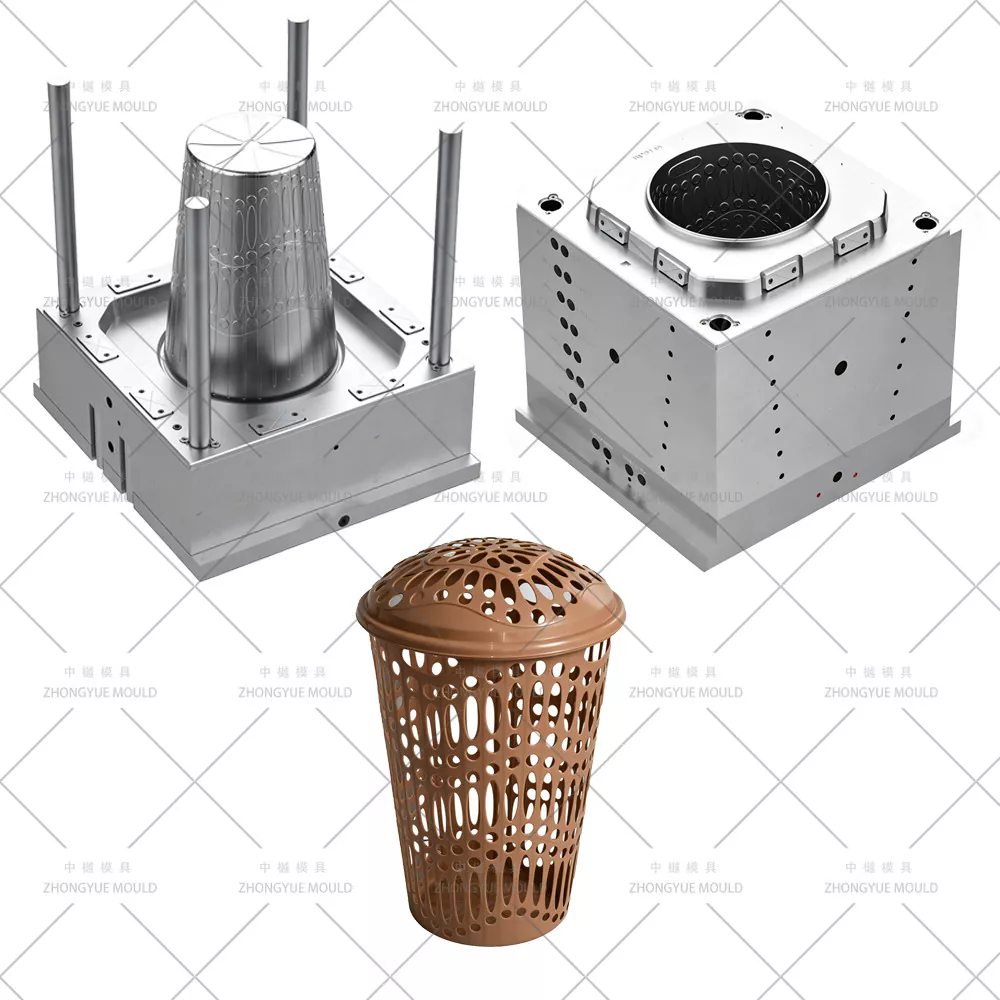
Table of Contents
- What Is a Plastic Laundry Mould?
- Why Mould Quality Matters
- Common Types of Plastic Laundry Products
- Key Features of High-Quality Plastic Laundry Moulds
- How Plastic Laundry Moulds Improve Efficiency
- How to Choose the Right Mould Manufacturer
- Maintenance Tips for Longer Mould Life
- Comparison Table
- Future Trends in Laundry Mould Manufacturing
- Frequently Asked Questions
- Conclusion
What Is a Plastic Laundry Mould?
A Plastic Laundry Mould is a specialized injection mould designed to manufacture plastic products used in laundry and home organization applications. These moulds are engineered to produce parts with precise dimensions, smooth surfaces, and excellent structural strength.
Manufacturers commonly use Plastic Laundry Moulds to produce:
- Laundry baskets
- Clothes hampers
- Laundry storage containers
- Detergent bottles
- Plastic wash tubs
- Clothes organizers
- Household storage bins
Because these products are often subjected to frequent handling and heavy loads, mould quality directly affects durability and user satisfaction.
Why Mould Quality Matters
Many manufacturers focus primarily on raw materials and injection machines. However, the mould itself plays an equally important role in determining final product performance.
A poorly designed mould can result in:
- Warping and deformation
- Uneven wall thickness
- Surface defects
- Long cycle times
- Excessive material waste
- Frequent maintenance requirements
Conversely, a high-quality Plastic Laundry Mould provides:
- Stable production processes
- Consistent product dimensions
- Lower production costs
- Higher output rates
- Longer mould lifespan
- Improved customer satisfaction
Common Types of Plastic Laundry Products Manufactured by Moulds
Different laundry products require different mould structures and engineering approaches. Understanding these categories helps manufacturers select the most appropriate mould solution.
| Product Type | Key Requirements | Mould Considerations |
|---|---|---|
| Laundry Basket | Strength and ventilation | Complex cavity design |
| Laundry Hamper | Large size and durability | Balanced cooling system |
| Storage Bin | Stackability | Precision dimensions |
| Wash Tub | Impact resistance | Uniform wall thickness |
| Detergent Container | Leak prevention | High precision tooling |
Key Features of High-Quality Plastic Laundry Moulds
A premium Plastic Laundry Mould incorporates advanced engineering features that contribute to efficient production and excellent product performance.
- High-grade mould steel for improved wear resistance.
- Optimized cooling channels to shorten production cycles.
- Precision machining for accurate dimensions.
- Balanced runner systems for uniform material flow.
- Efficient ejection systems that prevent product deformation.
- Polished cavity surfaces for superior appearance.
- Long service life with reduced maintenance costs.
These features collectively improve manufacturing stability and minimize operational interruptions.
How Plastic Laundry Moulds Improve Manufacturing Efficiency
Manufacturing efficiency directly influences profitability. High-performance moulds help factories achieve better productivity in several ways.
1. Reduced Cycle Time
An optimized cooling system allows products to solidify more quickly. Faster cooling translates into shorter production cycles and higher output.
2. Lower Scrap Rates
Precision mould engineering minimizes defects such as sink marks, flash, and warpage. This reduces material waste and lowers production costs.
3. Consistent Product Quality
Uniform material flow and balanced cavity design ensure every product meets the same quality standards.
4. Reduced Maintenance Downtime
Durable mould materials and advanced manufacturing techniques decrease wear and tear, allowing longer production runs between maintenance intervals.
5. Improved Automation Compatibility
Modern Plastic Laundry Moulds can be integrated with automated production systems, helping manufacturers increase productivity while reducing labor costs.
How to Choose the Right Plastic Laundry Mould Manufacturer
Selecting the right mould supplier is critical for long-term production success.
When evaluating potential manufacturers, consider the following factors:
- Industry experience and technical expertise
- Engineering and design capabilities
- Quality control procedures
- Machining equipment and production capacity
- Material selection standards
- After-sales support services
- Project delivery performance
A reliable supplier should provide comprehensive technical consultation, mould design optimization, production testing, and ongoing support after delivery.
Maintenance Tips for Extending Mould Service Life
Proper maintenance can significantly extend the lifespan of a Plastic Laundry Mould and maintain consistent production quality.
- Clean mould surfaces regularly after production.
- Inspect cooling channels for blockages.
- Lubricate moving components periodically.
- Monitor wear-prone areas and replace damaged parts promptly.
- Store moulds in a dry and controlled environment.
- Conduct preventive maintenance according to production schedules.
These simple practices can reduce unexpected downtime and improve overall manufacturing efficiency.
Comparison Between Standard and High-Performance Plastic Laundry Moulds
| Factor | Standard Mould | High-Performance Mould |
|---|---|---|
| Cycle Time | Moderate | Faster |
| Product Consistency | Variable | Highly Consistent |
| Maintenance Frequency | Higher | Lower |
| Mould Lifespan | Shorter | Longer |
| Production Efficiency | Average | Excellent |
Future Trends in Plastic Laundry Mould Manufacturing
The plastic mould industry continues to evolve as manufacturers seek greater efficiency and sustainability.
Emerging trends include:
- Advanced CAD and CAE simulation technologies
- High-speed precision machining
- Smart mould monitoring systems
- Energy-efficient cooling technologies
- Automated production integration
- Enhanced mould materials with longer service life
- Support for recycled and environmentally friendly plastics
These innovations help manufacturers remain competitive while meeting changing market demands.
Frequently Asked Questions
Q1: What materials are commonly used for Plastic Laundry Moulds?
Common mould steels include P20, 718H, H13, and other high-performance tool steels selected according to production volume and product requirements.
Q2: How long does a Plastic Laundry Mould typically last?
With proper maintenance and high-quality steel, a mould can support hundreds of thousands to millions of production cycles.
Q3: Can custom laundry product designs be developed?
Yes. Professional mould manufacturers can create customized mould solutions based on product drawings, samples, or specific market requirements.
Q4: Why is cooling system design important?
An efficient cooling system reduces cycle times, improves dimensional stability, and increases overall production efficiency.
Q5: How can manufacturers reduce production defects?
By using precision mould designs, quality raw materials, optimized processing parameters, and regular mould maintenance.
Conclusion
A well-designed Plastic Laundry Mould is a critical investment for manufacturers seeking higher productivity, lower operating costs, and superior product quality. From optimized cooling systems and precision engineering to extended mould life and consistent production output, the right mould solution delivers measurable benefits throughout the manufacturing process.
As global demand for durable and attractive household products continues to grow, partnering with an experienced mould manufacturer becomes increasingly important. ZHONGYUE MOULD specializes in delivering reliable, precision-engineered Plastic Laundry Mould solutions tailored to diverse production requirements. Whether you need a new mould project, product optimization, or technical consultation, ZHONGYUE MOULD is ready to support your success. Contact us today to discuss your project and discover how our customized mould solutions can help you improve efficiency, reduce costs, and achieve outstanding product quality.