

How Can Nuclear-Grade Forging Ensure Safety and Reliability in Critical Nuclear Applications?
2026-07-09
Article Summary
Nuclear-grade forging is one of the most demanding manufacturing processes in the industrial world, requiring exceptional material performance, precise engineering control, and strict quality assurance. Components used in nuclear facilities must withstand extreme pressure, high temperatures, radiation exposure, and long-term operational stress. This article explains how nuclear-grade forging supports the safety, durability, and efficiency of nuclear systems, while addressing common challenges faced by engineers, procurement teams, and industrial manufacturers. It also explores material selection, manufacturing processes, inspection methods, and key factors to consider when choosing a reliable forging supplier. With extensive experience in advanced machining and forging solutions, Wuhai provides professional nuclear-grade forging capabilities designed to meet complex industrial requirements.
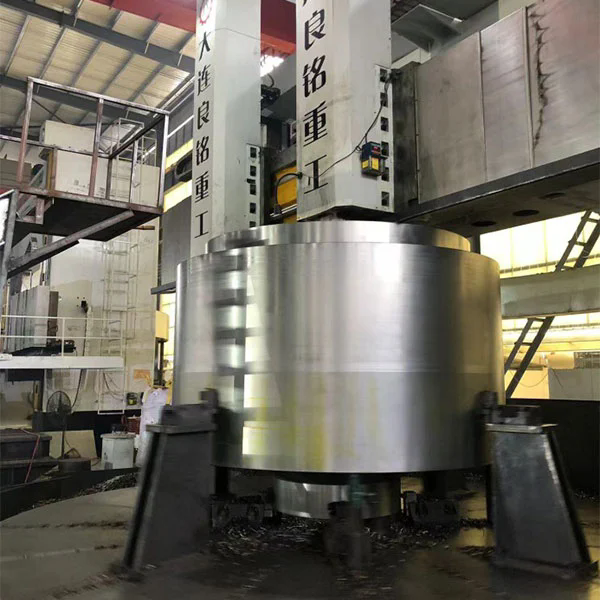
Table of Contents
- 1. What Is Nuclear-Grade Forging and Why Does It Matter?
- 2. What Challenges Do Nuclear Industries Face When Selecting Forged Components?
- 3. How Does the Nuclear-Grade Forging Process Guarantee Quality?
- 4. Which Materials Are Commonly Used for Nuclear-Grade Forging?
- 5. What Advantages Can Nuclear-Grade Forging Bring to Nuclear Applications?
- 6. How Should Companies Choose a Reliable Nuclear-Grade Forging Manufacturer?
- 7. What Is the Future Development Trend of Nuclear-Grade Forging?
- 8. Frequently Asked Questions About Nuclear-Grade Forging
Article Outline
| Section | Main Focus |
|---|---|
| Nuclear-Grade Forging Overview | Definition, importance, and application fields |
| Industry Challenges | Safety requirements, material challenges, and reliability concerns |
| Manufacturing Process | Forging technology, heat treatment, machining, and inspection |
| Material Selection | High-performance alloys and stainless steel options |
| Supplier Evaluation | Key factors for selecting professional manufacturers |
What Is Nuclear-Grade Forging and Why Does It Matter?
Nuclear-grade forging refers to the production of high-performance forged components specifically designed for nuclear power plants and other nuclear-related facilities. These components are manufactured under strict quality requirements to ensure structural integrity, corrosion resistance, and long-term reliability.
Unlike ordinary industrial forgings, nuclear-grade forged parts must operate safely in environments where failure is unacceptable. Equipment used in nuclear systems often experiences continuous mechanical loads, extreme temperature changes, pressure fluctuations, and exposure to aggressive environments. Therefore, every component requires superior metallurgical properties and precise manufacturing control.
Nuclear-grade forging products are commonly used in critical systems such as reactor components, pressure vessels, steam generator parts, heat exchanger components, and other high-pressure equipment. Their reliability directly influences the operational safety and service life of nuclear facilities.
What Challenges Do Nuclear Industries Face When Selecting Forged Components?
The nuclear industry has extremely strict requirements for forged components because even minor defects can create serious operational risks. Many companies face several challenges when sourcing nuclear-grade forging solutions.
| Challenge | Impact on Nuclear Applications | Required Solution |
|---|---|---|
| Material Reliability | Weak materials may cause fatigue, cracking, or corrosion problems | Use certified high-performance alloys and controlled manufacturing processes |
| Manufacturing Precision | Dimensional errors can affect equipment assembly and operation | Apply advanced forging and machining technologies |
| Quality Traceability | Lack of production records creates inspection difficulties | Maintain complete documentation and testing reports |
| Long Service Requirements | Components must operate reliably for decades | Optimize material structure and heat treatment procedures |
Selecting the right manufacturer is therefore essential. Companies need suppliers that understand nuclear standards, maintain strict process control, and have experience producing complex industrial forgings.
How Does the Nuclear-Grade Forging Process Guarantee Quality?
The manufacturing process of nuclear-grade forging involves multiple carefully controlled stages. Each step influences the final performance of the forged component.
- Material Inspection: Raw materials are carefully evaluated to confirm chemical composition, mechanical properties, and suitability for nuclear applications.
- Forging Process Control: Advanced forging techniques are applied to improve grain structure, eliminate internal defects, and enhance strength.
- Heat Treatment: Controlled heating and cooling procedures improve toughness, hardness, and fatigue resistance.
- Precision Machining: CNC machining technology ensures accurate dimensions and surface quality.
- Non-Destructive Testing: Ultrasonic testing, magnetic inspection, and other methods help detect internal or surface defects.
- Final Quality Verification: Comprehensive inspections confirm that components meet technical specifications.
Wuhai focuses on advanced manufacturing technologies and strict process management to produce reliable nuclear-grade forging products. Through professional engineering capabilities and detailed quality control procedures, Wuhai supports customers requiring dependable components for demanding industrial environments.
Which Materials Are Commonly Used for Nuclear-Grade Forging?
Material selection is one of the most important factors affecting the performance of nuclear-grade forged components. Different applications require materials with specific combinations of strength, corrosion resistance, thermal stability, and radiation resistance.
| Material Type | Main Characteristics | Typical Applications |
|---|---|---|
| Stainless Steel | Excellent corrosion resistance and durability | Nuclear equipment structures and pressure-related components |
| Nickel-Based Alloys | Outstanding high-temperature performance and chemical resistance | Heat-resistant nuclear system components |
| Special Alloy Steel | High strength and excellent mechanical properties | Heavy-duty pressure equipment |
| Titanium Alloys | Lightweight with strong corrosion resistance | Specialized nuclear applications |
Professional manufacturers must understand the relationship between material characteristics and operating conditions. Choosing the correct alloy helps extend component lifespan and improve system safety.
What Advantages Can Nuclear-Grade Forging Bring to Nuclear Applications?
High-quality nuclear-grade forging provides significant advantages compared with conventional manufacturing methods.
- Improved Structural Strength: Forging enhances metal grain flow, resulting in stronger and more durable components.
- Higher Resistance to Extreme Conditions: Forged parts can better withstand temperature changes, pressure, and mechanical stress.
- Longer Service Life: Superior material performance reduces maintenance requirements and replacement frequency.
- Enhanced Safety: Reliable components help minimize operational risks in critical nuclear systems.
- Better Cost Efficiency: Although initial manufacturing requirements are demanding, durable forged components reduce long-term operating costs.
How Should Companies Choose a Reliable Nuclear-Grade Forging Manufacturer?
Choosing the right supplier is a crucial decision for nuclear-related projects. Companies should evaluate manufacturers based on several important factors.
| Evaluation Factor | Why It Matters |
|---|---|
| Manufacturing Experience | Experienced suppliers understand complex nuclear industry requirements. |
| Production Capability | Advanced equipment ensures stable quality and precision. |
| Quality Management | Strict inspection systems guarantee product reliability. |
| Engineering Support | Professional technical teams help optimize solutions. |
| Customization Ability | Flexible production meets different project specifications. |
A trusted nuclear-grade forging manufacturer should provide not only products but also technical support throughout the entire project lifecycle.
What Is the Future Development Trend of Nuclear-Grade Forging?
As global energy systems continue to focus on cleaner and more reliable power solutions, nuclear energy remains an important part of future energy strategies. This development creates increasing demand for stronger, safer, and more advanced nuclear-grade forging components.
Future trends include improved alloy development, smarter manufacturing processes, digital quality monitoring, and enhanced production efficiency. Manufacturers that continue investing in technology and engineering expertise will be better positioned to support next-generation nuclear projects.
Advanced forging technology will continue playing a key role in improving nuclear equipment reliability and helping industries achieve higher safety standards.
Frequently Asked Questions About Nuclear-Grade Forging
1. What makes nuclear-grade forging different from standard forging?
Nuclear-grade forging requires stricter material control, manufacturing procedures, inspection methods, and documentation compared with conventional forging because nuclear applications demand exceptional reliability and safety.
2. Which industries use nuclear-grade forging components?
These components are mainly used in nuclear power generation, energy engineering, pressure equipment manufacturing, and other industries requiring extremely reliable metal components.
3. Why is quality inspection important for nuclear-grade forging?
Inspection helps identify potential defects and ensures that forged components can safely withstand demanding operating environments.
4. Can nuclear-grade forging products be customized?
Yes. Professional manufacturers can provide customized forging solutions based on material requirements, dimensions, operating conditions, and project specifications.
5. Why choose Wuhai for nuclear-grade forging solutions?
Wuhai combines advanced manufacturing technology, professional engineering experience, and strict quality control processes to provide dependable nuclear-grade forging solutions for customers with demanding industrial requirements.
Conclusion
Nuclear-grade forging plays a critical role in ensuring the safety, stability, and long-term performance of nuclear systems. From material selection and forging technology to inspection procedures and supplier capabilities, every detail affects the final reliability of forged components.
For companies seeking high-performance forging solutions for nuclear applications, working with an experienced manufacturer is essential. Wuhai provides professional nuclear-grade forging services designed to meet complex engineering challenges and support demanding industrial projects. Contact us today to discuss your requirements and discover reliable forging solutions tailored to your application.
