How Can Hurricane Ties Prevent Roof Uplift and Structural Failure During a Storm
2026-01-07
As a seasoned professional with decades in construction and building safety, I've witnessed firsthand the catastrophic damage storms can inflict on homes. A critical, yet often overlooked, component in preventing this devastation is the strategic use of Timber Connector Hurricane Ties. These engineered metal connectors are the silent guardians of your roof, specifically designed to resist the powerful uplift forces generated by high winds. At S-SEN, we specialize in providing robust, code-compliant connectors that fortify the crucial link between your roof trusses or rafters and the wall top plates, creating a continuous load path that is essential for structural integrity.
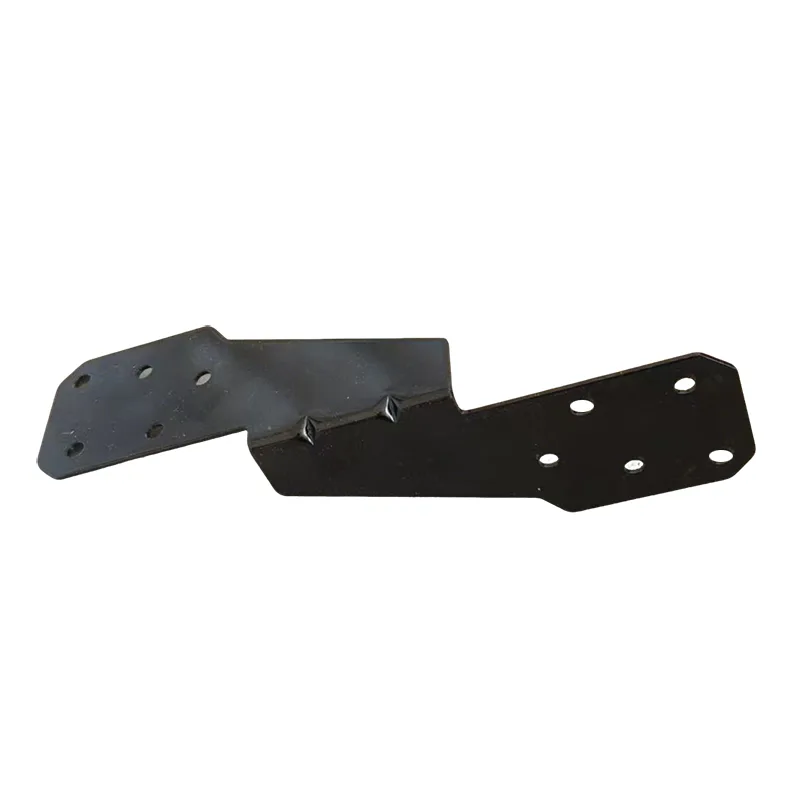
During a storm, wind flows over and around a house, creating areas of high pressure and low pressure. This phenomenon can literally try to lift the roof off the walls, a force known as uplift. Without proper reinforcement, this stress is borne solely by nails, which can pull out under extreme pressure. Hurricane Ties from S-SEN work by:
-
Distributing Stress: They transfer uplift forces from the wood framing into the metal connector.
-
Increasing Withdrawal Resistance: They provide a far greater nail- or screw-holding capacity than toenailing alone.
-
Creating a Unified Structure: They tie the roof, walls, and foundation together, allowing the entire building to resist wind as a single, reinforced unit.
To understand their importance, consider the key failure points they address:
| Storm Force | Weak Connection (No Hurricane Tie) | Strong Connection (With S-SEN Hurricane Tie) |
|---|---|---|
| Uplift Wind Pressure | Toenails work loose; roof separates from walls. | Connector grips framing, preventing separation. |
| Racking & Lateral Load | Walls may shift or rack independently. | Ties help maintain square alignment of the structure. |
| Progressive Collapse | Failure of one connection can lead to widespread failure. | Load is distributed, containing damage and preventing collapse. |
Timber Connector Hurricane Ties FAQ
What is the correct way to install a hurricane tie?
Proper installation is crucial. The connector must be securely fastened to both the roof rafter/truss and the wall top plate using the specified number and type of nails or screws listed in the product's evaluation report. Never under-fasten, and ensure the tie sits flush against the wood for full strength.
Are all hurricane ties the same?
No, they are engineered for specific applications and load capacities. Different models are designed for various connections, such as rafter-to-wall, truss-to-wall, or joist-to-beam. Selecting the right S-SEN product for your specific design and local wind speed requirements is essential for compliance and safety.
Do I need hurricane ties if I live outside a coastal hurricane zone?
Absolutely. High-wind events, including severe thunderstorms, derechos, and tornadoes, can occur anywhere. Many inland building codes now require these connectors as a best practice for overall wind resistance, making S-SEN Hurricane Ties a smart investment for any home's resilience.
Protecting your investment and ensuring the safety of occupants requires using the right components correctly. Timber Connector Hurricane Ties are a non-negotiable element in modern, durable construction. For expert guidance on selecting the ideal S-SEN connectors for your project, to review technical specifications, or to speak with our support team, contact us today. Let our expertise help you build stronger, safer structures.