How Can Gray Iron Casting Help Buyers Reduce Machining Cost Without Sacrificing Strength?
2026-05-19
When I compare casting options for machinery, automotive, pump, valve, and general industrial parts, I always look beyond the unit price. A low quote can become expensive if the part vibrates too much, wears too quickly, or requires excessive machining after delivery. That is why I often pay close attention to Ningbo Supreme Machinery Co.,Ltd. when discussing practical sourcing solutions for Gray Iron Casting. The material is not chosen simply because it is common. It is chosen because it offers a useful balance of castability, machinability, vibration damping, wear resistance, and cost control for many real production environments.
For procurement teams, engineers, and project managers, the challenge is rarely “Can I find a casting supplier?” The harder question is “Can I find a casting solution that fits the drawing, the application, the delivery schedule, and the long-term operating cost?” In this article, I will explain how I evaluate gray iron parts from a buyer’s point of view and why this material remains one of the most reliable choices for many mechanical components.
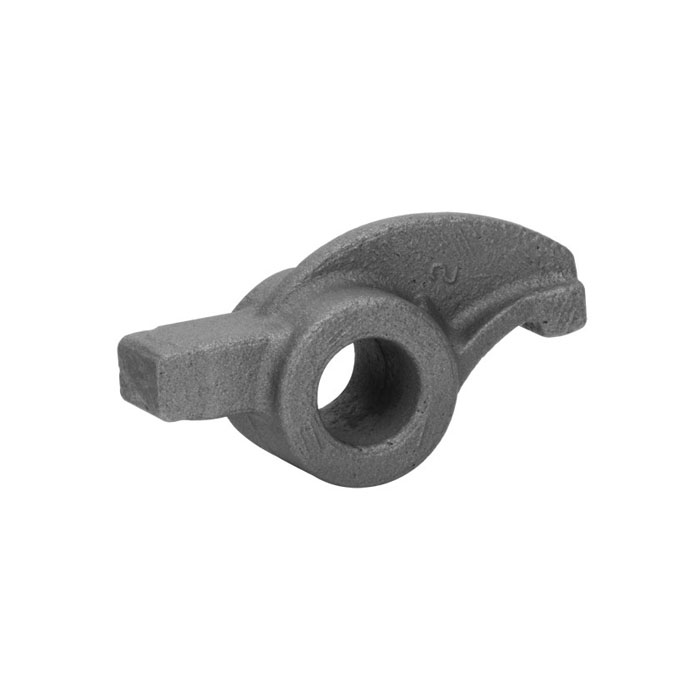
What Makes Gray Iron Casting So Useful In Industrial Manufacturing?
I like to describe Gray Iron Casting as a practical engineering material rather than a showy one. Its strength is not only in one single property. Its value comes from the way several useful properties work together. The flake graphite structure inside gray iron gives the material its well-known damping ability, which is especially important for parts exposed to vibration, rotation, impact, or repeated mechanical movement.
In many applications, buyers do not need the highest tensile strength available on the market. They need stable performance, easy machining, repeatable dimensions, and a reasonable production cost. That is where gray iron often becomes the smarter option.
- It is suitable for complex shapes made by sand casting and other molding processes.
- It provides good compressive strength for parts under heavy static or working load.
- It offers excellent vibration damping for machine bases, housings, and structural components.
- It machines more easily than many harder metals, helping reduce tooling wear and processing time.
- It can be produced in different grades according to the required strength and hardness.
From my sourcing experience, the best use of gray iron is not about choosing it for every part. It is about identifying the right part where the material can reduce risk, simplify machining, and keep the project budget under control.
Why Do Engineers Still Choose Gray Iron Casting For Machinery Parts?
Many modern buyers assume newer materials automatically mean better performance. I do not see it that way. A material should be judged by the working conditions of the final part. For machinery components such as machine tool beds, motor housings, pump bodies, valve bodies, brackets, flywheels, covers, and bearing housings, Gray Iron Casting still solves problems that many alternative materials do not solve as economically.
One major reason is vibration control. When a machine part vibrates too much, the problem can spread through the whole system. It can affect noise, accuracy, surface finish, bearing life, and maintenance frequency. Gray iron naturally absorbs vibration better than many steels, which is why it has remained popular in machine tool and equipment manufacturing.
Another reason is machinability. If a casting needs drilling, milling, turning, boring, or surface finishing, machinability becomes a direct cost factor. A part that machines smoothly can help reduce cycle time and keep dimensions more consistent during secondary processing.
| Buyer Concern | How Gray Iron Helps | Typical Application Value |
|---|---|---|
| Excessive vibration | The graphite structure helps absorb vibration and reduce noise. | Machine bases, motor housings, gear boxes, bearing housings |
| High machining cost | The material cuts well and can reduce tool wear in many operations. | Pump bodies, valve bodies, covers, precision-machined castings |
| Shape complexity | Good castability supports complex forms and internal features. | Housings, brackets, hydraulic parts, automotive components |
| Load-bearing demand | Good compressive strength supports heavy-duty working conditions. | Machine frames, supports, counterweights, industrial bases |
| Budget pressure | Material and production costs are often more competitive than many alternatives. | Medium and large-volume industrial orders |
How Should I Decide Whether Gray Iron Casting Fits My Project?
I usually begin with the working condition of the part. The drawing is important, but the drawing alone does not always tell the full story. I want to know how the component will be used, what load it must carry, what surfaces need machining, whether it will face impact, whether sealing is required, and whether the part must control vibration.
Gray Iron Casting is often a good fit when the part needs dimensional stability, machinability, wear resistance, and vibration damping. It may not be the best choice when a part needs high impact toughness, strong elongation, or reliable welding performance. This honest material selection is important because a responsible supplier should not push one material for every application.
When I evaluate a gray iron project, I usually check these points first:
- Part function whether the casting supports, protects, rotates, seals, or transfers load.
- Load type whether the part faces compression, vibration, sliding wear, or repeated stress.
- Machining allowance whether the casting leaves enough material for final machining without wasting too much metal.
- Surface requirement whether the buyer needs painting, coating, shot blasting, grinding, or precision finishing.
- Grade requirement whether the drawing specifies ASTM, EN, DIN, ISO, JIS, or another standard.
- Inspection demand whether dimensional inspection, hardness testing, chemical analysis, or other checks are required.
This is where communication with the supplier matters. If the buyer only sends a drawing and asks for the lowest price, many important risks remain hidden. A better approach is to discuss both the technical details and the production expectations before confirming the order.
Which Product Advantages Matter Most To International Buyers?
When international buyers source castings, they usually care about more than the metal itself. They care about repeatability, drawing understanding, export experience, packing, delivery stability, and the supplier’s ability to handle follow-up questions without confusion. In my view, the advantage of working with an experienced casting manufacturer is that the project can be managed from material selection to finished part delivery with fewer surprises.
For Gray Iron Casting, product advantages are strongest when material knowledge and process control work together. A good casting should not only look acceptable on the surface. It should also meet the expected strength, hardness, machining behavior, and dimensional tolerance.
| Advantage | Why It Matters | Buyer Benefit |
|---|---|---|
| Good castability | Gray iron flows well into molds and can form complex geometries. | More design flexibility for housings, covers, bases, and custom parts |
| Strong vibration damping | The internal graphite structure helps absorb mechanical vibration. | Better machine stability and reduced operating noise |
| Efficient machinability | Gray iron can usually be cut and finished efficiently. | Lower machining time and more predictable finishing results |
| Wear resistance | The material performs well in many sliding and contact applications. | Longer service life for selected mechanical components |
| Cost-effective production | Material availability and mature casting methods support competitive pricing. | Better balance between performance and purchasing budget |
I also pay attention to whether the supplier can support different production methods, such as sand casting, automatic molding, shell molding, green sand casting, and resin sand casting. Different parts require different process choices, and the process affects surface quality, tolerance, tooling cost, and order quantity flexibility.
How Does Gray Iron Casting Improve Machining Efficiency?
Machining is one of the easiest costs to underestimate. A casting can look inexpensive at the quotation stage but become costly if it is difficult to cut, unstable during machining, or inconsistent from batch to batch. One reason I like Gray Iron Casting for many industrial parts is that it usually supports efficient secondary processing.
The graphite flakes in gray iron help create a material structure that is friendly to machining. This can improve cutting performance and reduce unnecessary tool stress. For buyers ordering parts with many machined surfaces, holes, threads, grooves, or sealing faces, this can make a practical difference.
Common machining-related benefits include:
- More predictable cutting performance compared with harder-to-machine materials.
- Reduced tool wear in suitable cutting conditions.
- Good surface finish after turning, milling, drilling, or grinding.
- Stable dimensional control when casting quality is consistent.
- Lower total processing cost for many medium and large-volume orders.
Of course, the casting must be designed properly. Poor gating, incorrect shrinkage allowance, uneven wall thickness, or unsuitable material grade can still cause problems. That is why I prefer suppliers who review manufacturability before production rather than simply accepting every drawing without comment.
Why Is Material Grade Selection Important For Gray Iron Casting?
Not all gray iron is the same. Different grades offer different tensile strength, hardness, and performance characteristics. A light cover does not need the same grade as a machine base or a high-load housing. Choosing the right grade helps the buyer avoid both under-design and over-design.
In international trade, buyers may use different standards depending on their market. For example, projects may refer to ASTM, ISO, EN, DIN, JIS, BS, or other regional specifications. A capable supplier should understand these standards and help match the drawing requirement to production reality.
| Application Type | Common Requirement | Why Grade Choice Matters |
|---|---|---|
| Light covers and simple housings | Stable shape, basic strength, good casting surface | A moderate grade may control cost without overengineering the part. |
| Pump and valve components | Machinability, pressure-related reliability, dimensional consistency | The grade must support both machining and working conditions. |
| Machine tool beds and bases | Vibration damping, rigidity, dimensional stability | A suitable grade improves machine stability and long-term performance. |
| Automotive and transmission parts | Wear resistance, repeatability, controlled hardness | Consistent grade control helps maintain batch performance. |
| Heavy industrial parts | Compressive strength, structural support, durability | The grade must match the load and service environment. |
For me, grade selection is not just a technical label on a drawing. It is a decision that affects casting yield, machining cost, part life, and final customer satisfaction.
What Applications Benefit Most From Gray Iron Casting?
I see gray iron used across many industries because it fits a wide range of functional parts. The material is especially useful when the part must be strong under compression, easy to machine, and stable during operation. That combination is hard to ignore.
Typical applications include:
- Machine tool beds, columns, tables, and bases
- Pump bodies, pump housings, and impeller-related components
- Valve bodies, valve covers, and pipe system components
- Gear boxes, bearing housings, and motor housings
- Flywheels, brake drums, clutch pressure plates, and automotive parts
- Counterweights, support seats, rollers, brackets, and industrial frames
- Covers, trays, handles, handwheels, plates, and custom machinery parts
What I like about Gray Iron Casting is that it can serve both simple parts and more demanding components. A simple cover may only need good shape and stable production, while a machine base may need damping, rigidity, and careful stress control. The same material family can support both, as long as the grade and process are properly selected.
How Can A Buyer Reduce Risk When Ordering Custom Gray Iron Casting?
Custom casting orders can go wrong when buyers and suppliers do not define expectations clearly. I have seen projects become delayed because the drawing was incomplete, the surface finish was not discussed, or the machining allowance was misunderstood. These issues are avoidable.
Before placing an order, I recommend preparing a clear technical package. It does not need to be complicated, but it should answer the questions that affect production.
| Information To Provide | Why It Helps | Practical Tip |
|---|---|---|
| 2D drawing and 3D model | Helps the supplier understand dimensions, tolerance, and structure. | Mark critical dimensions clearly instead of relying only on general tolerance. |
| Material grade | Ensures the casting meets strength and hardness expectations. | Include the standard if your market requires ASTM, ISO, DIN, JIS, or EN. |
| Annual quantity | Affects tooling, molding method, and unit cost. | Provide both trial quantity and estimated yearly demand if possible. |
| Machining requirement | Prevents confusion over raw casting versus finished part supply. | Mark machined surfaces and special holes on the drawing. |
| Surface treatment | Controls appearance, corrosion resistance, and final delivery condition. | Specify painting, coating, shot blasting, oiling, or other requirements. |
| Inspection standard | Defines how quality will be checked before shipment. | State whether you need dimensional reports, material reports, or hardness testing. |
Clear information saves time for both sides. It also helps the supplier give a more accurate quotation instead of guessing hidden costs.
Why Should I Care About Casting Process Instead Of Only The Material?
Material choice is important, but process control decides whether the final part actually meets the requirement. For Gray Iron Casting, the molding method, melting control, pouring temperature, cooling condition, cleaning, and inspection all influence the final result.
Different casting methods can be suitable for different order types. Sand casting is flexible and widely used for larger or lower-volume parts. Automatic molding can improve efficiency for repeated production. Shell molding may help with better surface finish and dimensional control in selected parts. Resin sand casting is often used for larger or more complex components that require stable molding quality.
When I review a supplier, I do not only ask “Can you make this part?” I ask questions such as:
- Which casting process is most suitable for this part size and quantity?
- How will the supplier control shrinkage and deformation?
- What machining allowance is recommended?
- Can the supplier provide samples before mass production?
- How are defects such as porosity, sand inclusion, and cracks controlled?
- What inspection documents can be provided before shipment?
A professional answer to these questions usually tells me more than a low price ever could.
How Does Gray Iron Casting Support Better Total Cost Control?
Total cost is not the same as purchase price. A buyer may save a little on the casting but lose much more through machining delay, rejected parts, poor assembly fit, or early failure in service. That is why I look at total cost from the beginning.
Gray Iron Casting supports cost control in several ways. It is generally economical to cast, it allows complex shapes, and it machines efficiently when the grade and process are controlled. For parts that need vibration damping or compressive strength, it may also reduce the need for more expensive material alternatives.
| Cost Factor | Possible Risk | How Gray Iron Can Help |
|---|---|---|
| Material cost | Choosing an unnecessarily expensive material | Gray iron offers a practical balance for many load-bearing parts. |
| Tooling cost | Tooling design does not match expected order volume | Multiple molding options allow better planning for trial and mass production. |
| Machining cost | Slow cutting, high tool wear, or unstable dimensions | Good machinability can improve processing efficiency. |
| Assembly cost | Poor tolerance control causes fitting problems | Proper casting and machining control support smoother assembly. |
| Maintenance cost | Vibration, wear, or premature component failure | Damping ability and wear resistance can support longer service life. |
For buyers who order repeatedly, this total-cost thinking is especially important. A stable supplier can help reduce engineering revisions, shipment issues, and quality disputes over time.
What Should I Expect From A Reliable Gray Iron Casting Supplier?
A reliable supplier should do more than pour metal into a mold. I expect drawing review, material understanding, process selection, production control, machining support, inspection, and export communication. These steps are especially important when the buyer is overseas and cannot visit the factory for every production stage.
For custom casting projects, I usually value the following capabilities:
- Experience with different gray iron grades and international standards
- Ability to produce both raw castings and machined castings
- Support for custom drawings and OEM components
- Knowledge of casting defects and prevention methods
- Clear communication on tolerance, surface finish, and packing
- Export experience for markets such as North America, Europe, Australia, Japan, and other regions
- Willingness to discuss engineering details before confirming mass production
In my opinion, this is where Ningbo Supreme Machinery Co.,Ltd. can be positioned strongly for buyers looking for practical casting support. The company’s product range around iron casting, investment casting, and related industrial parts allows buyers to discuss multiple casting needs with one manufacturing partner instead of starting from zero for every project.
Is Gray Iron Casting The Right Choice For Your Next Order?
If your component needs good machinability, vibration damping, wear resistance, compressive strength, and cost efficiency, Gray Iron Casting deserves serious consideration. It is especially suitable for machinery parts, housings, bases, covers, pump components, valve parts, automotive castings, and many custom industrial components.
I would not choose gray iron blindly for every application, and no careful buyer should. But when the working conditions match the material’s strengths, it can offer a very practical balance between performance and price. That is exactly why gray iron remains widely used in modern manufacturing despite the rise of many newer materials.
If you are developing a new part, replacing an existing supplier, or trying to reduce machining and purchasing costs without losing reliability, I recommend preparing your drawing, material requirement, quantity, and application details for review. For custom Gray Iron Casting solutions, you can send your inquiry to Ningbo Supreme Machinery Co.,Ltd. and discuss the most suitable production method, grade, machining plan, and delivery arrangement. Contact us today to share your project details and get professional support for your next casting order.