How Can Forging Sockets Enhance Strength, Reliability, and Future Performance in Industrial Applications?
2025-12-09
Forging sockets play a critical role in heavy-duty lifting, rigging, construction, energy, and transportation sectors, where stable load transfer and uncompromised mechanical strength are essential. As a key connector between wire ropes, chains, and mechanical assemblies, a forging socket is engineered through high-pressure forging rather than casting, giving it tighter grain structure, superior toughness, and higher resistance to fatigue failure.
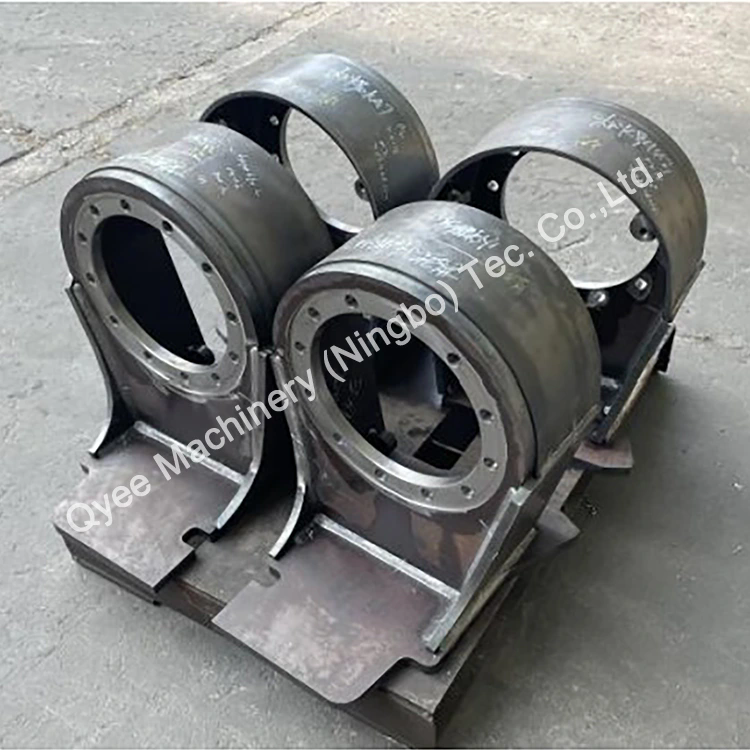
Technical Specifications of Forging Sockets
The following parameters represent industry-standard configurations used across lifting, rigging, offshore, and construction machinery environments:
| Parameter | Specification Range |
|---|---|
| Material | Forged alloy steel / carbon steel / quenched & tempered steel |
| Manufacturing Process | Closed-die forging, CNC machining, heat treatment, shot blasting |
| Surface Finish | Hot-dip galvanized / electro-galvanized / painted / self-color |
| Size Range | 6 mm – 120 mm rope/chain compatibility |
| Working Load Limit (WLL) | 0.5T – 120T depending on model |
| Proof Load | 2× WLL (typical industry standard) |
| Minimum Breaking Load | 4× WLL (varies by specification) |
| Connection Styles | Open socket, closed socket, spelter socket, wedge socket |
| Safety Standards | ISO, DIN, EN, ASME, API (application dependent) |
| Application Fields | Cranes, offshore lifting, mining rigs, suspension devices, bridge cables |
These parameters form the mechanical foundation of how forging sockets deliver stable performance in demanding operating conditions. The forged fiber structure ensures higher density, fewer defects, and improved shock resistance compared with cast or welded alternatives.
How Do Forging Sockets Improve Mechanical Strength and Field Durability?
Forging sockets are widely chosen for their exceptional mechanical properties, especially in applications that require predictable load management and elevated safety margins. Understanding the engineering behind their performance helps to reveal why they remain indispensable across various industrial fields.
Structural Density and Toughness
Forging compresses steel at high pressure, transforming its molecular structure into a tightly aligned grain pattern. This eliminates micro-porosity and reduces the risk of internal cracking, which can otherwise lead to unpredictable failures during heavy lifting. As a result, forging sockets maintain structural integrity even under extreme or repetitive load conditions.
Superior Fatigue Resistance
In large construction sites, offshore platforms, or mining environments, vibration, shock loading, and cyclic stress are common. Forged sockets disperse these stresses more evenly throughout the metal body, reducing fatigue concentration points. This leads to longer service life and fewer replacements, improving operational efficiency.
Stability Under Shock Loads
The high toughness of forged steel provides greater absorption capacity during sudden load increases. For example, crane operations often experience rapid load changes due to wind, swing, or accidental movement. A forging socket ensures stable load retention without deformation or cracking.
Reliable Connection with Wire Rope or Chain
Forging sockets typically use tapered cavities, wedges, or resin/spelter terminations to ensure firm mechanical bonding with wire ropes. This structural interface offers greater reliability than traditional clamps, providing a stronger and more secure load path.
High Manufacturing Consistency
Forging not only enhances physical strength but also improves product uniformity. Each socket is replicated under controlled die precision and CNC finishing, giving consistent dimensions, improved alignment with rope systems, and guaranteed standard-compliant performance.
How Does the Functionality of Forging Sockets Support Modern Industrial Requirements?
As industries evolve and adopt smarter, more automated machinery, the operational expectations for lifting and connection hardware have increased. Forging sockets meet these modern performance demands through multi-functional and engineered features.
Compatibility with Various Rope Systems
Forging sockets support a wide variety of rope diameters, chain grades, and connection styles. This flexibility simplifies procurement and reduces the need for multiple connection types on-site. Their standardized dimensions allow seamless integration into existing lifting assemblies.
Enhanced Corrosion Protection
Many sockets are used outdoors or in marine conditions. Forging sockets accept multiple corrosion-resistant coatings such as:
-
Hot-dip galvanizing for long-term outdoor exposure
-
Electro-galvanizing for light-duty environments
-
Custom paints for industrial aesthetic or additional surface sealing
This ensures stable long-term operation even in high-salinity or wet conditions.
Precise Load Transfer Mechanism
The shape of the socket is intentionally engineered for optimal load flow. By transitioning load forces into a broader, stronger steel body, forging sockets minimize localized tension on the rope strands or chain links. This reduces wear and ensures maximum rope longevity.
Efficiency in Assembly and Maintenance
Wedge and closed-socket designs allow quick installation and removal when necessary. This reduces equipment downtime and improves site productivity, especially in dynamic or frequently changing project setups.
Integrated Safety Features
Forging sockets often include safety pins, tapered anchoring systems, and secure locking features to prevent accidental detachment. These design elements meet or exceed international safety standards, making them suitable for high-risk environments such as cranes, hoists, and offshore platforms.
How Will Forging Sockets Evolve with Future Industrial Trends?
Industrial equipment is entering a period of rapid smart-technology adoption, and connection hardware like forging sockets is not exempt from this evolution. Several future trends are reshaping how these products are designed, manufactured, and used.
Digital Load Monitoring Integration
In the coming years, forging sockets may incorporate sensor-ready designs. These features would allow operators to monitor:
-
Real-time load
-
Rope tension
-
Fatigue accumulation
-
Environmental stress factors
Smart sockets would help prevent overload incidents and extend overall equipment life.
Higher-Grade Steel and Alloy Innovation
As steel metallurgical technology continues to advance, socket bodies will be produced from alloys with even greater strength-to-weight ratios. This opens opportunities for:
-
Lighter lifting assemblies
-
Better energy absorption
-
Improved resistance to corrosion and extreme temperatures
More Efficient Forging Techniques
Future forging processes are expected to adopt automation and AI-based quality monitoring, ensuring higher consistency and precision during metal forming. This reduces waste and improves reliability, creating a more sustainable production cycle.
Customization for Industry-Specific Needs
Industries such as offshore wind, hydrogen energy infrastructure, and automated warehouse systems require hardware tailored to unique load paths and dynamic environments. Customized socket shapes, extended neck designs, and reinforced rope cavities will increasingly become standard offerings.
Environmental Sustainability Emphasis
The global shift toward sustainability will encourage manufacturers to adopt environmentally friendly coatings, recyclable packaging, and reduced-emission forging operations. Forging sockets made using low-carbon steel and green manufacturing processes will be favored in future procurement.
How Do Buyers Select the Right Forging Socket for Their Application?
Choosing the appropriate forging socket requires evaluating several engineering factors. This section provides a practical framework for decision-makers.
Determine the Load Requirements
The Working Load Limit (WLL) must exceed the maximum operational load, with an appropriate safety factor depending on the environment. Heavy lifting industries typically use a minimum 4:1 safety ratio.
Match with Rope or Chain Type
Selecting the right socket requires verifying:
-
Rope diameter
-
Rope construction (6×19, 6×36, fiber core, IWRC, etc.)
-
Chain grade (G80, G100, G120)
Ensuring compatibility prevents slippage and premature rope wear.
Environmental Conditions
For outdoor, marine, or mining environments, corrosion-resistant coatings are necessary. In high-temperature applications, heat-treated alloy sockets ensure stable performance.
Installation Requirements
Wedge sockets allow quick rope changes, making them ideal for cranes and machinery with frequent adjustments. Spelter or resin sockets offer higher fixed load capacities for permanent installations.
Certification and Standards
Select sockets that comply with recognized global standards such as ISO, EN, ASME, API, or regional equivalents.
Common Questions About Forging Sockets
Q1: How is a forging socket different from a casting socket?
A forging socket is formed under high pressure, producing a dense and uniform grain structure that provides superior strength and fatigue resistance. Casting involves pouring molten metal into a mold, which may introduce porosity or internal defects. Forged sockets are therefore more reliable for heavy loads and high-risk environments.
Q2: How should maintenance be performed on forging sockets?
Regular inspection should include checking for surface cracks, deformation, corrosion, and wear at the rope entry. Lubrication of pins and accessories should be maintained as needed. Any socket showing signs of significant damage or metal fatigue must be replaced immediately. Following the manufacturer’s maintenance schedule ensures longer service life and safe operation.
Forging sockets represent a critical component in modern lifting and rigging systems. Their strength, long-term durability, and efficient connection structure make them vital in industries that demand reliability under extreme conditions. As technological advancements continue to transform industrial equipment, forging sockets will evolve through smarter materials, sensor integration, and environmentally responsible manufacturing methods.
For companies seeking reliable and high-performance forging sockets, Qyee delivers products engineered to meet global standards with consistent quality, advanced forging processes, and customer-focused service capabilities. To explore product specifications, customization options, or project-based solutions, feel free to contact us for professional assistance and technical support.
Contact us to learn more or request a tailored solution.