How Can an 18 kW Rotary Screw Air Compressor Improve Industrial Productivity?
2026-10-28
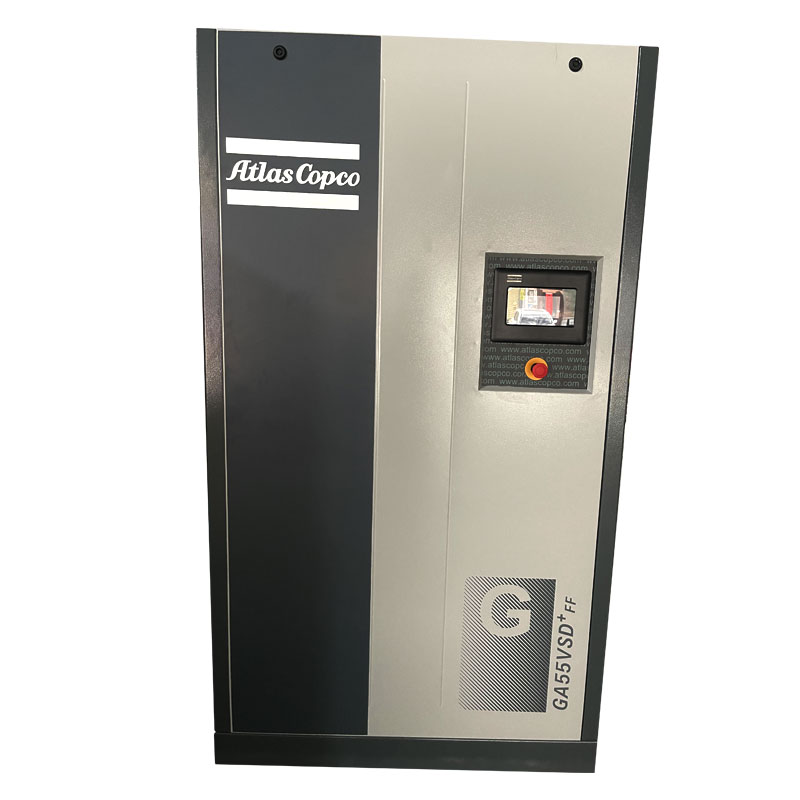
Reliable compressed air is essential for modern manufacturing, workshop operations, and automated production lines. When pneumatic equipment requires a stable air supply throughout the working day, selecting the right compressor can directly influence productivity, operating costs, and equipment performance. The 18 Kw Atlas Copco Rotary Screw Air Compressors category is worth considering for industrial users seeking dependable compressed air solutions. With a suitable configuration, an 18 kW-class rotary screw compressor can support continuous production, reduce interruptions, and help businesses maintain consistent operating conditions. Taike helps industrial buyers explore practical compressor solutions based on their application requirements, air demand, and long-term operating goals.
Why Is an 18 kW Rotary Screw Air Compressor Important?
Rotary screw compressors use two intermeshing rotors to compress air continuously. Compared with conventional piston compressors, screw compressors are generally better suited to applications with sustained compressed-air demand.
For factories operating pneumatic tools, packaging equipment, assembly machinery, or automated systems, a reliable compressor helps keep production moving without frequent interruptions caused by insufficient air supply.
Key advantages include:
-
Consistent air delivery: Supports equipment that requires a steady supply of compressed air.
-
Continuous operation: Suitable for production environments with extended operating hours when properly selected and maintained.
-
Space-efficient installation: Packaged compressor systems can simplify equipment layout.
-
Reduced maintenance complexity: Appropriate designs and routine servicing help minimize unexpected downtime.
-
Improved operational planning: Matching compressor capacity to actual demand can help control energy consumption.
These benefits make rotary screw technology an important consideration for businesses looking to improve production efficiency and maintain reliable plant operations.
Where Can an 18 kW Compressor Deliver the Best Results?
An 18 kW-class compressor can serve a variety of industrial applications, provided its airflow and working pressure meet the requirements of the connected equipment.
| Application | Main Function | Expected Benefit |
|---|---|---|
| Manufacturing workshops | Powers pneumatic tools and machinery | Supports efficient daily production |
| Packaging facilities | Supplies air to pneumatic actuators | Promotes consistent packaging operations |
| Automotive workshops | Operates air tools and service equipment | Improves workflow efficiency |
| Metal fabrication | Supports pneumatic equipment and processes | Helps maintain stable operation |
| Assembly lines | Powers automated pneumatic components | Reduces interruptions caused by air shortages |
The actual performance of a compressor depends on operating pressure, air demand, installation conditions, and the quality of the complete compressed-air system.
What Should Buyers Check Before Selecting a Compressor?
Choosing equipment based solely on motor power can lead to unnecessary energy costs or insufficient air delivery. Buyers should evaluate several technical factors before making a purchasing decision.
1. Airflow and working pressure
Check the required free air delivery (FAD), usually expressed in m³/min, L/s, or CFM, alongside the pressure required by the application. Confirm performance at the intended operating pressure rather than relying on motor power alone.
2. Energy efficiency
Electricity can represent a significant portion of a compressor's lifetime operating cost. Compare measured power consumption, expected operating hours, and actual air demand when evaluating different configurations.
3. Air treatment requirements
Applications involving sensitive pneumatic components may require air dryers, filters, and condensate management. Select suitable treatment equipment according to the required air quality.
4. Installation and maintenance
Consider ventilation, ambient temperature, available floor space, electrical supply, maintenance access, and the availability of replacement parts.
5. Control strategy
Fixed-speed models can suit relatively stable air demand, while variable-speed models may be beneficial when demand fluctuates considerably. The most economical option depends on the operating profile.
How Can the Right Compressor Improve Long-Term Performance?
Correct compressor selection can produce measurable operational benefits. When the system supplies sufficient air at the required pressure, pneumatic equipment can operate more consistently, and production teams can spend less time responding to pressure fluctuations or air shortages.
Energy management is equally important. An oversized compressor may consume more energy than necessary, while an undersized unit may struggle during peak demand. Regular leak detection, appropriate pressure settings, clean filters, and scheduled servicing further support efficient operation.
For businesses comparing 18 Kw Atlas Copco Rotary Screw Air Compressors, it is important to assess the complete system rather than the compressor alone. Air receivers, dryers, filters, piping, and control settings all influence the final result.
Why Consider Taike for Your Compressed Air Requirements?
Taike understands that industrial buyers need solutions aligned with real operating conditions, production targets, and budget expectations. Evaluating compressor requirements before purchasing helps businesses identify suitable equipment and avoid unnecessary operating expenses.
Whether you are upgrading an existing compressed-air system, equipping a new workshop, or comparing industrial compressor configurations, focus on verified performance data, maintenance requirements, and long-term value.
Looking for a suitable rotary screw air compressor for your application? Contact us to discuss your airflow, pressure, installation, and operating requirements. Taike is ready to help you evaluate practical options and move toward a more reliable and efficient compressed-air system.