

How Can a Washing Machine Spider Improve Laundry Performance and Extend Washer Life?
2026-07-10
Article Summary
The washing machine spider is one of the most important internal components that directly affects washing machine stability, drum rotation performance, and overall service life. Although it is hidden inside the appliance, a damaged or low-quality spider can lead to excessive vibration, abnormal noise, drum imbalance, and even complete washing machine failure. This article explains the function of a washing machine spider, common problems caused by spider damage, how to select the right replacement component, and why reliable manufacturing quality matters.
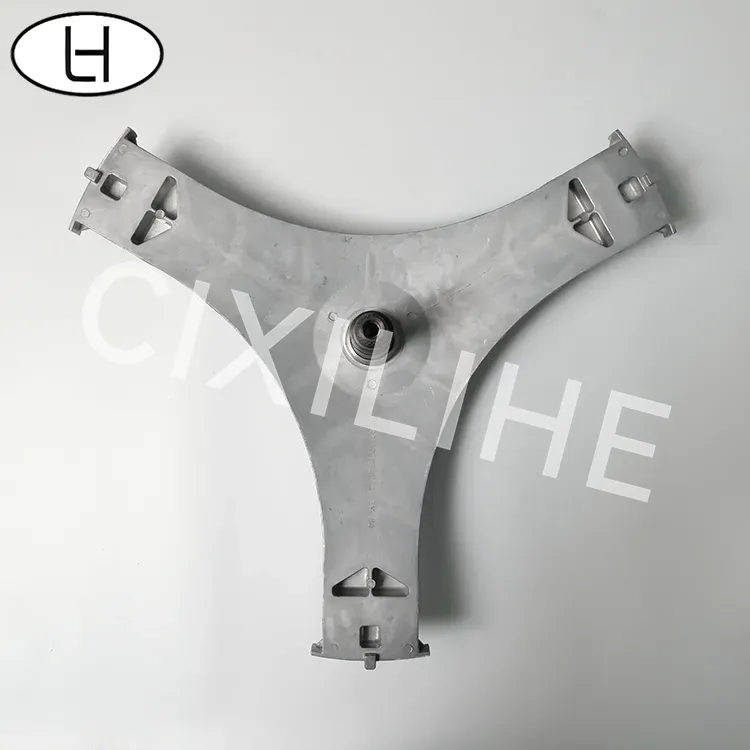
For appliance manufacturers, repair companies, and spare parts distributors, choosing a durable washing machine spider is essential for improving product reliability and reducing maintenance costs. Cixi Lihe Electric Appliance Co., Ltd. provides professional washing machine spider solutions designed to meet different washing machine models and market requirements.
Table of Contents
- What Is a Washing Machine Spider and Why Is It Important?
- How Does a Washing Machine Spider Work Inside a Washer?
- What Problems Can a Damaged Washing Machine Spider Cause?
- How to Choose a High-Quality Washing Machine Spider?
- Why Manufacturing Quality Matters for Washing Machine Spider Performance?
- Applications and Benefits of Reliable Washing Machine Spiders
- Maintenance Tips to Extend Washing Machine Spider Service Life
- Frequently Asked Questions About Washing Machine Spider
Article Outline
- Introduction: Understanding the importance of washing machine spider components.
- Component Function: Explaining how spiders support drum operation and balance.
- Failure Analysis: Identifying common causes and symptoms of spider damage.
- Buying Guide: Key factors when selecting reliable washing machine spider products.
- Industry Solutions: Benefits for manufacturers, suppliers, and maintenance providers.
- Practical Advice: Maintenance methods for improving equipment lifespan.
What Is a Washing Machine Spider and Why Is It Important?
A washing machine spider is a structural support component installed behind the inner drum of a washing machine. It usually has three arms connected to the drum shaft, creating a stable framework that allows the drum to rotate smoothly during washing and spinning cycles.
Because the washing machine drum rotates at high speed, especially during the spin cycle, the spider must withstand continuous mechanical stress, heavy loads, and repeated vibration. A strong spider helps maintain drum alignment, reduce operational noise, and prevent unnecessary wear on other internal components.
Many users focus on visible parts such as the control panel, motor, or exterior design, but the internal support structure plays an equally important role. When the spider fails, the washing machine may experience performance problems that affect both user experience and equipment reliability.
| Component Function | Importance |
|---|---|
| Drum Support | Keeps the inner drum securely positioned during operation |
| Rotation Balance | Helps maintain smooth and stable drum movement |
| Load Distribution | Reduces stress caused by uneven laundry loads |
| Vibration Control | Minimizes excessive shaking and mechanical noise |
How Does a Washing Machine Spider Work Inside a Washer?
During a washing cycle, the motor transfers power through the shaft system, causing the drum to rotate. The washing machine spider connects the drum and shaft, allowing the rotation force to be distributed evenly across the drum structure.
When the washer enters the high-speed spinning stage, the drum creates significant centrifugal force. Without a strong spider, the drum may become unstable, resulting in vibration, impact damage, and reduced washing efficiency.
A properly designed washing machine spider provides several advantages:
- Maintains accurate drum positioning.
- Improves washing machine operational stability.
- Reduces stress on bearings and shafts.
- Supports long-term continuous operation.
- Improves customer satisfaction by reducing machine failures.
What Problems Can a Damaged Washing Machine Spider Cause?
A washing machine spider operates under demanding conditions. Over time, factors such as corrosion, excessive loading, poor material quality, and repeated mechanical stress may cause cracks or deformation.
Recognizing early warning signs can help prevent more expensive repairs.
| Problem Symptom | Possible Cause | Potential Result |
|---|---|---|
| Loud knocking sounds | Spider cracks or deformation | Unstable drum movement |
| Strong vibration during spinning | Loss of drum balance | Damage to other components |
| Drum shaking excessively | Weak support structure | Reduced washing performance |
| Rust or corrosion marks | Material deterioration | Shortened component lifespan |
Ignoring these issues may result in additional damage to bearings, motors, and suspension systems. Replacing a damaged spider with a reliable component is often a cost-effective solution compared with replacing the entire washing machine.
How to Choose a High-Quality Washing Machine Spider?
Selecting the correct washing machine spider requires attention to material quality, manufacturing accuracy, compatibility, and durability. For appliance manufacturers and spare parts distributors, these factors directly influence customer satisfaction and product reputation.
- Material Strength: The spider should have excellent mechanical strength and corrosion resistance to withstand long-term operation.
- Precise Dimensions: Accurate measurements ensure proper installation and compatibility with different washing machine models.
- Manufacturing Consistency: Professional production processes help maintain stable quality between different batches.
- Surface Treatment: Proper surface protection improves resistance against moisture and corrosion.
- Supplier Experience: Experienced manufacturers can provide better technical support and customized solutions.
Cixi Lihe Electric Appliance Co., Ltd. focuses on producing dependable washing machine spider components with attention to structural performance, manufacturing precision, and customer requirements.
Why Manufacturing Quality Matters for Washing Machine Spider Performance?
The quality of a washing machine spider directly affects the reliability of the complete washing machine system. A poorly manufactured spider may create installation difficulties, imbalance problems, and premature failures.
Professional manufacturers use strict production control methods to ensure each component meets required standards. Important production considerations include material selection, casting quality, machining accuracy, and inspection procedures.
| Quality Factor | Impact on Product Performance |
|---|---|
| Strong raw materials | Improves durability and load resistance |
| Advanced processing technology | Ensures accurate dimensions |
| Quality inspection | Reduces defective products |
| Technical experience | Supports customized requirements |
Applications and Benefits of Reliable Washing Machine Spiders
Washing machine spiders are widely used in residential washing machines, commercial laundry equipment, and replacement parts markets. Reliable spiders provide value for multiple industries.
- Washing Machine Manufacturers: Improve product durability and reduce warranty issues.
- Repair Service Providers: Offer dependable replacement solutions for customers.
- Spare Parts Distributors: Supply stable products with market competitiveness.
- OEM Partners: Receive customized component solutions based on machine specifications.
A high-quality washing machine spider is not simply a replacement part. It is an important investment in appliance performance, customer trust, and long-term operational efficiency.
Maintenance Tips to Extend Washing Machine Spider Service Life
Although the spider is designed for durability, proper washing machine usage can help reduce unnecessary stress and extend component lifespan.
- Avoid overloading the washing machine beyond the recommended capacity.
- Distribute laundry evenly before starting high-speed spin cycles.
- Check unusual vibration or noise as early warning signs.
- Maintain proper cleaning procedures to reduce corrosion risks.
- Replace damaged components promptly to prevent additional failures.
Regular maintenance helps protect the spider, drum system, and other mechanical parts, ensuring better washing performance over time.
Frequently Asked Questions About Washing Machine Spider
FAQ
Q1: What is the main function of a washing machine spider?
A washing machine spider supports the inner drum and transfers rotation force from the shaft, helping maintain stable drum movement during washing and spinning.
Q2: How can I know if my washing machine spider is damaged?
Common signs include unusual noise, strong vibration, drum imbalance, and unstable spinning performance.
Q3: Can a damaged spider be replaced instead of buying a new washing machine?
Yes. Replacing the damaged spider with a compatible and high-quality component can restore washing machine performance and reduce repair costs.
Q4: What factors affect washing machine spider durability?
Material quality, manufacturing precision, corrosion resistance, operating conditions, and proper maintenance all influence service life.
Q5: Why choose Cixi Lihe Electric Appliance Co., Ltd. for washing machine spider products?
Cixi Lihe Electric Appliance Co., Ltd. provides professional washing machine spider solutions with a focus on reliable quality, precise manufacturing, and customer-oriented service.
Conclusion
The washing machine spider is a critical component that determines drum stability, vibration control, and washing machine durability. Choosing a reliable spider helps manufacturers improve product quality while helping repair providers deliver better solutions to customers.
With professional manufacturing capabilities and industry experience, Cixi Lihe Electric Appliance Co., Ltd. is committed to providing high-quality washing machine spider products for global customers. If you are looking for durable washing machine spider solutions, please contact us today to discuss your requirements and receive professional support.
