Article Summary
Automotive chassis components are critical structural elements that directly influence vehicle strength, handling stability, and passenger safety. Among various manufacturing methods, forging technology has become a preferred solution for producing high-performance automotive chassis components due to its excellent mechanical properties, durability, and reliability. This article explains how Automotive Chassis Forging Parts enhance vehicle performance, why manufacturers choose forged components over conventional alternatives, and how companies like Tongxin provide reliable forging solutions for modern automotive applications.
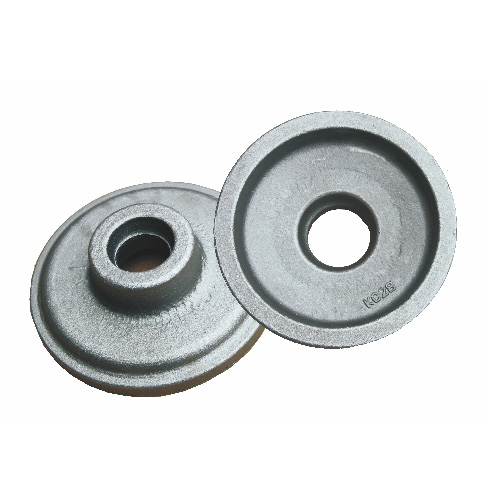
From lightweight electric vehicles to high-performance commercial vehicles, automotive manufacturers face increasing challenges in improving safety while reducing weight and production costs. Understanding the advantages of forged chassis parts helps engineers and buyers make better decisions when selecting components for demanding automotive environments.
Table of Contents
- 1. What Are Automotive Chassis Forging Parts?
- 2. How Automotive Chassis Forging Parts Improve Vehicle Performance
- 3. Why Forging Technology Is Preferred for Chassis Manufacturing
- 4. Common Applications of Automotive Chassis Forged Components
- 5. Key Challenges When Selecting Chassis Forging Parts
- 6. How Tongxin Ensures Reliable Automotive Forging Solutions
- 7. Frequently Asked Questions
Article Outline
- Understanding the role of forged chassis components in modern vehicles
- Analyzing performance advantages of automotive forging technology
- Comparing forged parts with traditional manufacturing methods
- Exploring applications in different vehicle systems
- Choosing a reliable automotive forging manufacturer
- Answering common questions about chassis forging parts
1. What Are Automotive Chassis Forging Parts?
Automotive Chassis Forging Parts are precision-engineered structural components manufactured through forging processes, where metal materials are shaped under high pressure using controlled force. Unlike simple casting or machining methods, forging changes the internal grain structure of the material, creating components with higher strength, improved fatigue resistance, and better impact performance.
The automotive chassis serves as the foundation of a vehicle. It supports the body structure, suspension system, steering components, and powertrain connections. Because chassis parts experience continuous loads, vibration, shocks, and changing road conditions, manufacturers require components that can maintain performance over long service periods.
Forged chassis components are commonly produced using materials such as aluminum alloys and high-strength steels. These materials provide an ideal balance between durability and weight efficiency, making them suitable for passenger vehicles, commercial vehicles, electric vehicles, and performance automobiles.
2. How Automotive Chassis Forging Parts Improve Vehicle Performance
Modern automotive manufacturers are constantly searching for solutions that improve safety, efficiency, and driving experience. Automotive Chassis Forging Parts provide several important advantages that directly address these requirements.
Enhanced Structural Strength
The forging process creates a continuous metal grain flow that follows the shape of the component. This unique structure improves resistance against bending, cracking, and deformation. For chassis systems exposed to heavy loads, stronger components mean improved vehicle stability and longer service life.
Improved Safety Performance
Safety is one of the most important concerns in automotive manufacturing. Chassis components must withstand collision forces and extreme operating conditions. Forged parts offer excellent toughness and impact resistance, helping maintain structural integrity during unexpected situations.
Weight Reduction Without Sacrificing Strength
Vehicle manufacturers need lightweight solutions to improve fuel economy and extend electric vehicle driving range. Forging technology allows engineers to design thinner and lighter components while maintaining high mechanical performance.
- Lower vehicle weight
- Improved energy efficiency
- Better acceleration response
- Reduced material consumption
Better Fatigue Resistance
Automotive chassis parts experience millions of loading cycles during daily operation. Forged components demonstrate excellent fatigue resistance, reducing the possibility of premature failure caused by repeated stress.
3. Why Forging Technology Is Preferred for Chassis Manufacturing
Compared with other manufacturing processes, forging provides significant advantages for critical automotive components.
| Manufacturing Method | Main Characteristics | Suitability for Chassis Parts |
|---|---|---|
| Forging | High strength, excellent durability, refined grain structure | Highly suitable for safety-critical components |
| Casting | Good design flexibility but lower mechanical strength | Suitable for some non-critical parts |
| Machining | High precision but higher material waste | Suitable for finishing and customized parts |
For suspension arms, steering components, connecting parts, and other structural applications, forging provides the reliability required by automotive engineers.
Another advantage is manufacturing consistency. Advanced forging equipment and quality inspection systems allow manufacturers to produce large quantities of components with stable dimensions and mechanical properties.
4. Common Applications of Automotive Chassis Forged Components
Automotive Chassis Forging Parts are widely used across different vehicle systems. Their excellent strength and reliability make them suitable for various demanding applications.
- Suspension System Components: Forged control arms, knuckles, and brackets improve handling stability and durability.
- Steering System Parts: Forged steering components provide accurate control and reliable operation.
- Drive System Connections: High-strength forged parts help transfer power efficiently while resisting mechanical stress.
- Commercial Vehicle Chassis: Heavy-duty vehicles require durable components capable of handling higher loads.
- Electric Vehicle Structures: Lightweight forged parts help improve battery efficiency and overall vehicle performance.
As automotive technology continues developing, the demand for precision forging solutions is increasing. Manufacturers need suppliers that understand material selection, engineering requirements, and production standards.
5. Key Challenges When Selecting Chassis Forging Parts
Choosing suitable automotive forging components requires careful evaluation. Poor-quality parts can lead to performance problems, increased maintenance costs, and safety risks.
Material Quality Control
The selected material directly affects strength, durability, and corrosion resistance. Reliable manufacturers perform strict inspections on raw materials before production.
Manufacturing Precision
Automotive chassis components require accurate dimensions because they must fit perfectly with other vehicle systems. Advanced forging and machining processes ensure consistent product quality.
Quality Testing Capability
Professional suppliers should conduct multiple inspection procedures, including dimensional testing, hardness testing, and mechanical performance evaluation.
Customization Requirements
Different vehicle models have different structural requirements. A capable forging manufacturer should provide customized solutions according to drawings, specifications, and application conditions.
6. How Tongxin Ensures Reliable Automotive Forging Solutions
Tongxin focuses on providing dependable Automotive Chassis Forging Parts designed to meet the demanding requirements of the automotive industry. By combining advanced forging technology with professional manufacturing experience, Tongxin supports customers requiring strong, durable, and precision-engineered components.
The company understands that automotive parts must deliver consistent performance under challenging conditions. Therefore, Tongxin emphasizes material control, production accuracy, and strict quality management throughout the manufacturing process.
- Professional automotive forging experience
- Reliable material selection and processing control
- Precision manufacturing capabilities
- Support for customized forging solutions
- Commitment to stable product quality
Whether for traditional vehicles, new energy vehicles, or commercial transportation applications, high-quality forged chassis components help manufacturers achieve better safety, efficiency, and reliability.
7. Benefits of Choosing High-Quality Automotive Chassis Forging Parts
- Longer component service life
- Higher resistance to mechanical stress
- Improved vehicle handling performance
- Reduced maintenance frequency
- Better overall vehicle safety
- Greater production reliability for automotive manufacturers
With increasing demands for vehicle performance and safety, forged chassis components will continue playing an important role in automotive innovation.
Frequently Asked Questions
Q1: What are Automotive Chassis Forging Parts used for?
Automotive Chassis Forging Parts are used in vehicle structural systems, including suspension components, steering parts, and other load-bearing areas that require high strength and durability.
Q2: Why are forged chassis parts stronger than cast parts?
Forging improves the internal grain structure of metal, creating better mechanical strength, fatigue resistance, and impact performance compared with many traditional casting methods.
Q3: Can Tongxin provide customized automotive forging components?
Yes. Tongxin can develop customized forging solutions according to customer drawings, technical requirements, and specific automotive applications.
Q4: Are forged chassis components suitable for electric vehicles?
Yes. Lightweight and strong forged components are widely used in electric vehicles because they help reduce weight while maintaining structural safety.
Q5: How can buyers ensure the quality of automotive forging parts?
Buyers should evaluate manufacturing experience, material control processes, inspection standards, customization capability, and production consistency when selecting a supplier.
Conclusion
Automotive Chassis Forging Parts play a vital role in improving vehicle safety, durability, and performance. Through advanced forging technology, manufacturers can achieve stronger structures, lighter designs, and more reliable automotive systems.
As vehicle technologies continue evolving, choosing an experienced forging partner becomes increasingly important. Tongxin provides professional automotive forging solutions designed to meet modern industry requirements. For high-quality forged chassis components and customized support, please contact us to discuss your project needs.