How Are Hydraulic Pipe Fittings Selected and Maintained?
2026-06-26
Abstract
Hydraulic pipe fittings are essential components in fluid power systems, ensuring safe, efficient, and leak-free transmission of hydraulic fluids under high pressure. Improper selection or maintenance often leads to system inefficiency, leakage, downtime, and costly equipment damage. This article provides a structured guide to understanding hydraulic pipe fittings, their types, selection criteria, installation practices, and maintenance strategies. It is designed to help engineers, procurement managers, and equipment operators make informed decisions and improve system reliability.
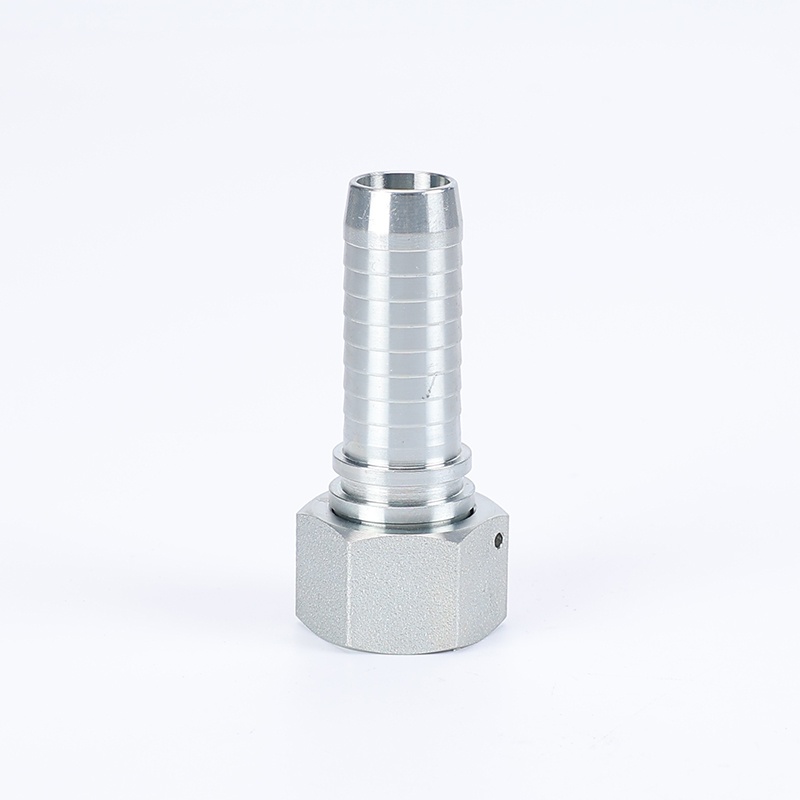
Table of Contents
- Introduction: Why Hydraulic Pipe Fittings Matter
- Common Industry Pain Points
- What Are Hydraulic Pipe Fittings?
- Types of Hydraulic Pipe Fittings
- How to Select the Right Hydraulic Pipe Fittings
- Installation Best Practices
- Maintenance and Inspection Guidelines
- Common Failures and Troubleshooting
- Engineering Quality and Manufacturing Strength
- Conclusion
- Contact Information
Introduction: Why Hydraulic Pipe Fittings Matter
Hydraulic systems rely on pressurized fluid to transmit force and motion. Within these systems, hydraulic pipe fittings serve as critical connectors that link pipes, hoses, pumps, valves, and actuators. Even minor weaknesses in fittings can compromise the entire system’s integrity.
In industries such as construction machinery, manufacturing, mining, and agricultural equipment, hydraulic reliability directly impacts productivity and operational safety. Therefore, selecting and maintaining the right hydraulic pipe fittings is not a secondary concern—it is a core engineering requirement.
Common Industry Pain Points
Many hydraulic system failures originate from issues related to pipe fittings. The most common problems include:
- Fluid leakage: Poor sealing or incorrect fitting selection leads to hydraulic oil leakage.
- Pressure loss: Improperly matched fittings reduce system efficiency.
- Corrosion and wear: Exposure to harsh environments degrades material performance.
- Vibration loosening: Heavy machinery vibrations loosen connections over time.
- Installation errors: Incorrect torque or misalignment during assembly.
These issues not only increase maintenance costs but also cause unplanned downtime, reducing overall equipment productivity.
What Are Hydraulic Pipe Fittings?
Hydraulic pipe fittings are mechanical components designed to connect sections of hydraulic piping or attach pipes to hydraulic components. They ensure controlled fluid transfer under high pressure while maintaining system sealing integrity.
Typically manufactured from carbon steel, stainless steel, or brass, these fittings are engineered to withstand extreme pressure, vibration, and temperature fluctuations. Their design precision plays a critical role in system safety and efficiency.
Types of Hydraulic Pipe Fittings
Different hydraulic systems require different fitting types depending on pressure levels, fluid type, and mechanical configuration.
- Threaded Fittings: Common in low to medium-pressure applications, offering easy installation and removal.
- Flanged Fittings: Used in high-pressure systems where secure sealing is required.
- Compression Fittings: Provide leak-resistant connections without welding.
- Elbow Fittings: Used to change fluid direction in hydraulic pipelines.
- Adapter Fittings: Connect different thread types or sizes.
Each type is designed to solve specific engineering challenges in hydraulic systems.
How to Select the Right Hydraulic Pipe Fittings
Selecting the correct hydraulic pipe fittings requires careful evaluation of several technical factors:
- Pressure rating: Ensure fittings match or exceed system operating pressure.
- Material compatibility: Select materials resistant to hydraulic fluid and environmental conditions.
- Temperature range: Consider operating temperature fluctuations.
- Thread type compatibility: Match BSP, NPT, or metric threads correctly.
- Application environment: Account for vibration, corrosion, and mechanical stress.
Incorrect selection often results in premature failure, making engineering evaluation essential before procurement.
Installation Best Practices
Proper installation ensures long-term performance and system safety. The following best practices should be followed:
- Clean all connection surfaces before assembly to prevent contamination.
- Use correct torque specifications to avoid over-tightening or under-tightening.
- Avoid mixing incompatible thread standards.
- Apply suitable sealing materials where required.
- Inspect alignment to reduce stress on connected components.
Even high-quality fittings can fail if installation procedures are not correctly followed.
Maintenance and Inspection Guidelines
Routine maintenance significantly extends the service life of hydraulic pipe fittings. Recommended practices include:
- Regular inspection for leaks or corrosion.
- Tightness checks under system pressure cycles.
- Replacement of worn or deformed fittings immediately.
- Cleaning external surfaces to prevent buildup of contaminants.
- Monitoring vibration-prone joints in heavy machinery.
Preventive maintenance is always more cost-effective than emergency repairs.
Common Failures and Troubleshooting
Understanding failure patterns helps improve system reliability. Common issues include:
- Leakage at joints: Often caused by improper sealing or damaged threads.
- Cracking under pressure: Results from incorrect material selection.
- Thread stripping: Occurs due to over-tightening during installation.
- Corrosion damage: Caused by exposure to moisture or aggressive fluids.
Troubleshooting should always begin with a systematic inspection of installation quality, material compatibility, and operating conditions.
Engineering Quality and Manufacturing Strength
High-performance hydraulic systems depend on precision-engineered components.
Haxsen(Zhejiang) Seiko Technology Co., Ltd. specializes in manufacturing high-quality hydraulic pipe fittings designed for demanding industrial environments. The company integrates advanced machining processes, strict quality control systems, and material traceability to ensure consistent performance across applications.
With a strong focus on durability, precision, and compatibility, the company’s hydraulic fittings are widely used in construction machinery, industrial automation, and heavy-duty hydraulic systems. Each product is engineered to meet rigorous operational standards, ensuring reliability even under extreme pressure conditions.
For detailed product specifications, reference can be made to the official product page: https://www.zjhaxsen.com/hydraulic-pipe-fittings
Conclusion
Hydraulic pipe fittings are small but critical components that directly influence system performance, safety, and efficiency. Proper selection, correct installation, and consistent maintenance are essential for avoiding failures and ensuring long-term operational stability.
By understanding material properties, pressure requirements, and environmental conditions, engineers can significantly reduce risks and improve hydraulic system reliability.
Contact Information
For professional hydraulic pipe fittings solutions, technical support, or customized requirements, reach out to our engineering team.
Haxsen(Zhejiang) Seiko Technology Co., Ltd. is committed to delivering reliable hydraulic connection solutions for global industrial applications. Whether you are upgrading existing systems or designing new hydraulic infrastructure, our expertise ensures dependable performance and long-term value.
contact us today to discuss your project requirements and get tailored hydraulic pipe fittings solutions designed for efficiency, durability, and precision.