How Aluminum Alloy Die Castings Improve Manufacturing Efficiency and Product Performance
2026-03-26
Abstract
Aluminum alloy die castings have become a cornerstone of modern manufacturing due to their exceptional strength-to-weight ratio, precision, and cost efficiency. This article explores how aluminum die casting technology enhances production processes, reduces operational costs, and improves final product quality. It also addresses common customer concerns such as durability, surface finish, and scalability, providing actionable insights for businesses seeking reliable manufacturing solutions.
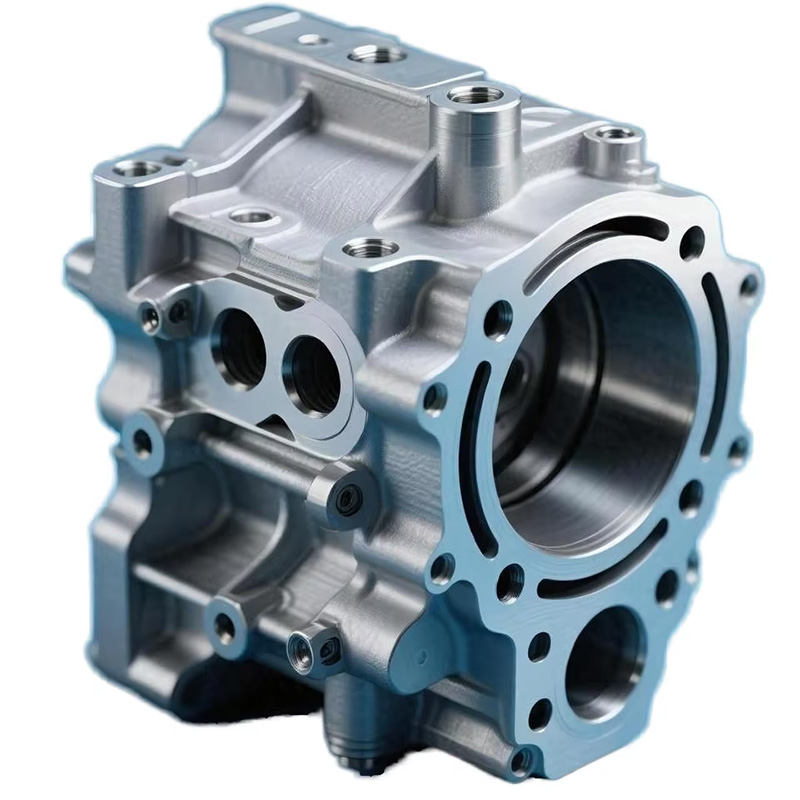
Table of Contents
- Introduction
- What Are Aluminum Alloy Die Castings?
- How the Die Casting Process Works
- Key Benefits for Manufacturers
- Common Customer Pain Points and Solutions
- Material Selection and Performance Comparison
- Applications Across Industries
- Design Optimization Tips
- Why Choose a Professional Manufacturer
- FAQ
- Conclusion
Introduction
In today’s competitive industrial landscape, manufacturers are under constant pressure to deliver high-quality products faster and at lower costs. Aluminum alloy die casting offers a proven solution by combining precision engineering with scalable production capabilities. Whether you are in automotive, electronics, or industrial equipment manufacturing, understanding how this process works can significantly improve your supply chain and product reliability.
What Are Aluminum Alloy Die Castings?
Aluminum alloy die casting is a manufacturing process in which molten aluminum is injected into a steel mold (die) under high pressure. Once solidified, the metal takes the exact shape of the mold cavity, producing highly accurate and repeatable components.
- High dimensional accuracy
- Excellent surface finish
- Thin wall capability
- High production efficiency
This process is particularly suitable for mass production, making it ideal for industries requiring consistent quality at scale.
How the Die Casting Process Works
The aluminum die casting process involves several critical stages:
- Mold Preparation: The die is cleaned and lubricated to ensure smooth ejection.
- Injection: Molten aluminum is injected into the mold under high pressure.
- Cooling: The metal solidifies rapidly within the mold.
- Ejection: The casting is removed from the die.
- Finishing: Additional processes such as trimming, machining, or coating are applied.
Each step is optimized to ensure precision, minimize defects, and maximize productivity.
Key Benefits for Manufacturers
| Benefit | Description |
|---|---|
| Lightweight Strength | Aluminum alloys provide high strength while reducing overall product weight. |
| Cost Efficiency | High-speed production reduces labor and material waste. |
| Excellent Surface Finish | Minimal post-processing required, saving time and cost. |
| Thermal Conductivity | Ideal for heat dissipation in electronics and automotive parts. |
| Corrosion Resistance | Long-lasting performance in harsh environments. |
Common Customer Pain Points and Solutions
Many customers face challenges when sourcing die-cast components. Below are common issues and how they can be addressed:
- Inconsistent Quality: Choose manufacturers with strict quality control systems and advanced inspection equipment.
- High Tooling Costs: Optimize design early to reduce mold complexity and extend tool life.
- Porosity Issues: Use vacuum die casting or improved gating systems to minimize air entrapment.
- Long Lead Times: Partner with experienced suppliers who offer integrated production capabilities.
Working with a reliable manufacturer like Xiamen Huaner Technology Co., Ltd. ensures these challenges are effectively managed.
Material Selection and Performance Comparison
| Material | Strength | Weight | Corrosion Resistance | Cost |
|---|---|---|---|---|
| Aluminum Alloy | High | Light | Excellent | Moderate |
| Steel | Very High | Heavy | Moderate | High |
| Plastic | Low | Very Light | Excellent | Low |
Aluminum strikes a balance between performance and cost, making it a preferred choice for many applications.
Applications Across Industries
Aluminum alloy die castings are widely used in:
- Automotive components (engine parts, transmission housings)
- Consumer electronics (heat sinks, enclosures)
- Industrial machinery (pump housings, brackets)
- Aerospace components
- LED lighting fixtures
Their versatility allows manufacturers to meet diverse functional and aesthetic requirements.
Design Optimization Tips
To maximize the benefits of aluminum die casting, consider the following design strategies:
- Maintain uniform wall thickness to prevent defects
- Incorporate draft angles for easier mold release
- Reduce sharp corners to improve material flow
- Use ribs instead of thick sections to enhance strength
- Plan for post-processing requirements early
Proper design not only improves product quality but also reduces manufacturing costs.
Why Choose a Professional Manufacturer
Selecting the right partner is critical to achieving consistent results. Xiamen Huaner Technology Co., Ltd. offers:
- Advanced die casting equipment
- Experienced engineering team
- Comprehensive quality control systems
- Customized solutions tailored to your needs
- Efficient production and timely delivery
With a strong track record in aluminum alloy die casting, they provide reliable support from design to final production.
FAQ
Q1: What is the typical lead time for die casting projects?
A: Lead times vary depending on complexity, but most projects take 3–6 weeks including tooling and sampling.
Q2: Can aluminum die castings be customized?
A: Yes, they can be fully customized in terms of shape, size, and surface finish.
Q3: How durable are aluminum die-cast parts?
A: They offer excellent durability, especially when combined with proper surface treatments.
Q4: Is die casting suitable for small production runs?
A: It is more cost-effective for medium to large volumes due to initial tooling costs.
Q5: What finishing options are available?
A: Options include powder coating, anodizing, painting, and polishing.
Conclusion
Aluminum alloy die casting is a powerful manufacturing solution that enhances efficiency, reduces costs, and delivers high-performance components. By understanding the process and working with experienced partners, businesses can overcome common challenges and achieve superior results.
If you are looking for high-quality aluminum alloy die castings tailored to your specific requirements, Xiamen Huaner Technology Co., Ltd. is ready to support your project. Contact us today to discuss your needs and discover how we can help you achieve better performance, faster production, and greater value.