Can You Weld and Repair a Cracked Rotator Housing Instead of Replacing It
2026-07-01
When a rotator housing on your horizontal directional drill (HDD) or heavy-duty rotary rig develops a crack, the first question that hits any experienced mechanic or project manager is whether to weld it or swap it. With replacement costs often running into thousands of dollars, welding seems like an obvious money-saver. But the real answer depends on crack location, material grade, and the operating stress your rotator housing endures daily. At United, we have evaluated, repaired, and replaced hundreds of these critical components—and we will tell you exactly when welding makes sense and when it is a costly gamble.
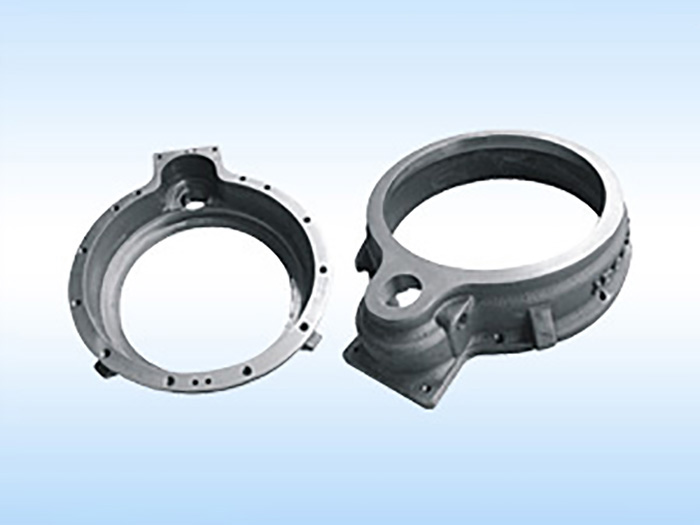
The Short Answer: Yes, But Only Under Strict Conditions
Welding a cracked rotator housing is technically possible, but it is not a universal fix. Cast steel and ductile iron housings respond differently to heat input. A crack in a non-stress zone (e.g., mounting ear or bolt flange) has a high success rate with proper preheat and post-weld heat treatment (PWHT). A crack through the main bore, bearing journal, or gear mesh area is almost always a death sentence for the part. United typically advises welding only when the crack depth is less than 20% of wall thickness and the component has no prior weld repairs.
Critical Factors That Determine Weld vs. Replace
| Factor | Weld-Repair Friendly | Replacement Recommended |
|---|---|---|
| Crack Location | Outer flanges, mounting tabs, non-pressurized covers | Main bore, bearing seats, splined shaft interface |
| Material Type | Low-carbon steel (AISI 1020/4130) | Ductile iron or high-alloy castings (hard to preheat) |
| Crack Length | Under 2 inches (50 mm) and non-propagating | Over 4 inches or circumferential |
| Previous Repairs | No prior weld history | Two or more previous welds |
| Operating Torque | Under 15,000 ft-lbs | Over 30,000 ft-lbs continuous |
| Downtime Budget | 1–2 days for proper PWHT and NDT | 4+ days—replace often faster overall |
The Step-by-Step Professional Welding Protocol (If You Proceed)
United recommends this minimum procedure for any weld attempt on a rotator housing:
-
Magnetic Particle Inspection (MPI) – Map the full crack length and detect subsurface branching.
-
V-Groove Preparation – Grind a 60–70° included angle down to sound base metal.
-
Preheat – Bring the entire rotator housing to 300–400°F (150–200°C) using electric resistance blankets—never an open flame.
-
Low-Hydrogen Rods – Use E7018 or E11018-M for steel; nickel-based ENi-CI for ductile iron.
-
Peening – Mechanically peen each pass to relieve residual stress.
-
PWHT – Soak at 1,100–1,200°F for 1 hour per inch of thickness, then slow-cool in sand or vermiculite.
-
Final MPI & Hardness Test – Verify no new cracks and ensure HRC stays under 35 to avoid brittleness.
Skipping any of these steps raises the failure risk from under 10% to over 60% within the first 200 operating hours.
Real-World Cost Comparison (Per Rotator Housing)
| Action | Average Cost (USD) | Downtime | Risk of Re-failure |
|---|---|---|---|
| In-house stick weld (no PWHT) | $200–$500 | 4–6 hours | 70%+ within 3 months |
| Professional weld with PWHT & NDT | $1,200–$2,500 | 2–3 days | 15–20% within 1 year |
| New OEM rotator housing | $4,500–$9,000 | 1–2 days (if in stock) | <2% |
| United remanufactured unit | $2,800–$4,200 | 1 day (exchange) | 3–5% |
When United Always Says "Replace, Never Weld"
-
The crack weeps hydraulic oil or grease – this indicates a through-wall fracture that compromises bore roundness.
-
The rotator housing has already been welded once – grain growth and HAZ (heat-affected zone) embrittlement make second welds unpredictable.
-
The rig operates in sub-freezing ambient conditions – thermal shock cycles will find every micro-fissure.
-
Alignment dowels or bearing preload surfaces are affected – even 0.002" of distortion ruins gear mesh and leads to catastrophic bearing seizure.
Rotator Housing FAQ – Common Questions from the Field
Q: Can I use a standard arc welder (SMAW) on a cast iron rotator housing without preheating if I just weld short stitches?
A: No. Cast iron lacks the ductility to absorb thermal expansion from a localized arc. Without a 300–400°F preheat and slow post-cool, you will create martensite—a hard, brittle phase that cracks alongside the weld within hours. Short stitches do not solve this; they actually increase the cooling rate between passes. For cast iron rotator housing, United only approves nickel-based filler with controlled interpass temperature, and we still recommend replacement for any bore-adjacent crack. If you must weld, use an oven or ceramic blankets—never weld a cold casting.
Q: How do I know if a crack in my rotator housing is just cosmetic (surface) or structural?
A: Perform a dye penetrant (PT) test first—it reveals surface openings. Then follow with a wet-fluorescent MPI, which detects subsurface fissures down to 0.030" deep. Structural cracks typically run perpendicular to the main rotational axis and emit a "ringing" sound when tapped with a hammer (dull thud = delamination). Cosmetic casting marks are shallow, follow irregular paths, and do not change under load. United advises that any crack visible to the naked eye on the bearing saddle or gear pocket is automatically structural—do not rely on visual judgment alone. Always use NDT (non-destructive testing) before making a weld-or-replace decision.
Q: If I weld and the rotator housing fails again, will that damage other driveline components?
A: Yes—and this is the hidden cost. A welded rotator housing that fractures in operation sends metal shavings into the gearbox, contaminates the hydraulic circuit, and can misalign the output shaft, bending your drive coupler and damaging the pinion bearing. United has documented cases where a $1,500 weld repair led to $18,000 in secondary damage—including a new gear set, seals, and a replacement rotator housing anyway. The safe rule: if the crack extends into any machined surface that holds a bearing or seal, replace it. Welding is only an option for external, non-machined flanges with clear access for full-penetration groove welds.
Final Verdict from United
Welding a rotator housing is a high-stakes decision. It works for minor flange cracks on low-torque machines with a full PWHT cycle. For every other scenario—bore cracks, prior repairs, high-torque drilling, or cast iron materials—replacement is the cheaper, safer, and faster path in the long run. United stocks both new and certified remanufactured rotator housing units with full NDT reports and 12-month warranties, so you never have to choose between budget and reliability.
Need a professional assessment of your cracked rotator housing?
Send us photos, serial numbers, and crack measurements—our United technical team will reply within 4 business hours with a weld-or-replace recommendation and a firm, no-obligation quote. We also offer emergency exchange units shipped same-day from our regional depots. Contact United today—because every hour of unplanned downtime costs more than the repair itself.