Are You Buying Rubber Parts That Fail Too Soon?
2025-12-16
I’ve learned the hard way that most “rubber problems” aren’t really rubber problems—they’re specification problems. When I’m sourcing Rubber Parts for real-world use (heat, oils, UV, dust, vibration, repeated compression), I look for a supplier who can translate drawings and application details into the right compound, process, and QC plan. That’s why I often bring Wisdom into the conversation early—not as a sales pitch, but because having a team that’s used to custom industrial sourcing makes the selection process calmer and far less risky.
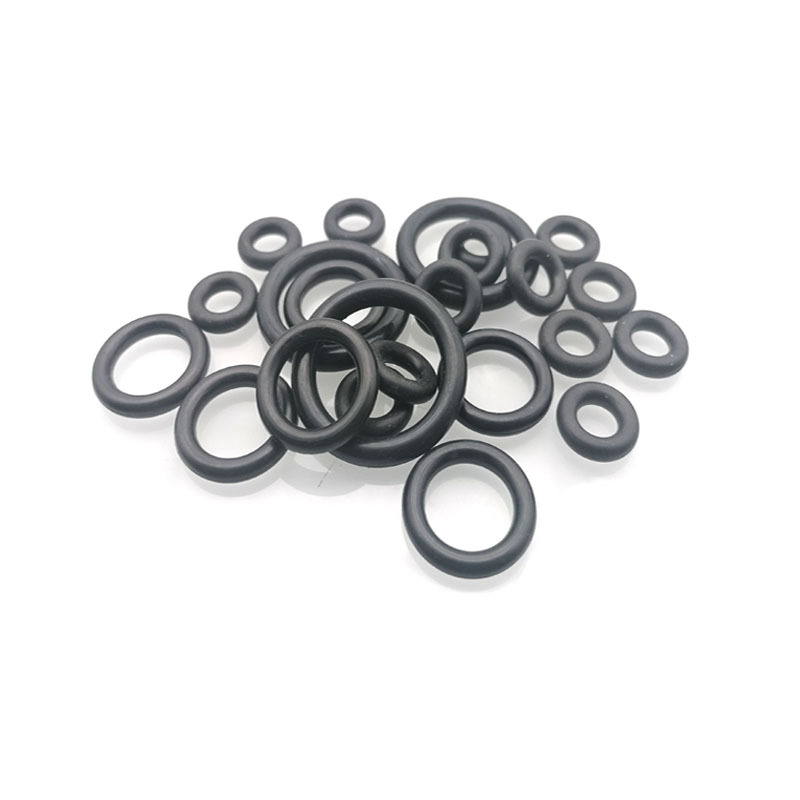
Why do Rubber Parts crack, swell, or leak even when the dimensions look correct?
Because dimensions are only one piece of the puzzle. In my experience, failures usually come from the environment being underestimated:
- Chemical exposure (oils, fuels, coolants, detergents) that causes swelling or softening
- Temperature cycles that harden elastomers and reduce sealing force over time
- Compression set that turns a “tight seal” into a slow leak after weeks or months
- Abrasion and dust that grind edges and create micro-gaps
- Vibration that loosens assemblies and accelerates wear
So when I evaluate Rubber Parts, I start with use conditions first, then work backward into material and manufacturing decisions.
What questions do I ask before I quote or reorder Rubber Parts?
- What is the operating temperature range and how fast does it cycle?
- What fluids, oils, fuels, or cleaning agents might contact the part?
- Is it a static seal, dynamic seal, vibration isolator, or protective cover?
- What is the target service life and what is considered an acceptable failure mode?
- What is the installation method and who installs it (trained tech vs. general assembly)?
- Do we need traceability, batch control, or specific inspection reports?
These answers decide whether I’m buying generic Rubber Parts or an engineered component that behaves predictably in the field.
Which Rubber Parts categories solve the most common industrial pain points?
When buyers tell me “we keep replacing it” or “dust gets in,” the solution often maps to a few core part types:
- Sealing rings to stop leaks, air ingress, and pressure loss in housings and connections
- Dust covers to protect joints, shafts, and interfaces from debris and splash
- Rubber dampers to reduce vibration, noise, and mechanical shock in assemblies
- Equipment mats (for example in heavy machinery) to block dust pathways and reduce wear at contact zones
I like to align the part type with the failure symptom first, then fine-tune material and hardness. That approach saves me from “trial-and-error purchasing.”
How do I choose the right material without overpaying?
I try to avoid “best material” thinking and focus on “best match.” Here’s a practical way I compare options for Rubber Parts depending on what matters most:
| Application goal | Typical risk | What I prioritize | Common fit examples |
|---|---|---|---|
| Leak prevention in housings | Compression set, micro-leaks | Stable sealing force over time, consistent hardness | Sealing rings for enclosures and interfaces |
| Dust and debris protection | Abrasion, edge tearing | Tear resistance, fit retention, durable lip design | Dust covers for joints and exposed mechanisms |
| Vibration and shock reduction | Fatigue cracking, loosening fasteners | Dynamic performance, rebound behavior, geometry control | Rubber dampers for mounts and brackets |
| Heavy equipment contact zones | Wear, dust intrusion, deformation | Abrasion resistance, thickness tolerance, surface grip | Mats used in machinery environments |
If you tell me your media, temperature, and movement type, I can usually narrow down the material direction fast—and that’s where a capable supplier (like Wisdom) matters, because the same drawing can behave very differently depending on compound control and process discipline.
What manufacturing details actually affect quality for Rubber Parts?
- Tooling precision that controls flash, parting lines, and consistent fit
- Process stability that prevents batch-to-batch variation in hardness and rebound
- Post-processing such as deflashing and trimming that keeps sealing edges clean
- Inspection method (visual + dimensional + functional checks) matched to failure risks
- Packing and handling that avoids deformation during shipping and storage
In other words, reliable Rubber Parts aren’t just “molded,” they’re controlled—from compound selection through shipment.
How do I reduce lead time and rework when ordering Rubber Parts internationally?
Here’s the checklist I follow to keep projects smooth:
- Send a drawing plus a short “working conditions” note (media, temp, motion, service life)
- Confirm critical-to-function dimensions and acceptable tolerances
- Define surface/edge requirements (especially for sealing and dust protection)
- Agree on a sample approval flow before mass production
- Request a simple QC outline that matches your risk (not generic paperwork)
When I do this, my Rubber Parts orders go from “hope it works” to “we know what we’re getting.”
Do you want a quote that actually matches your application instead of a generic price?
If you’re sourcing Rubber Parts and you want fewer failures, fewer reorders, and fewer surprises, I’d rather you send one clear inquiry than gamble on the cheapest option. Share your drawing and working conditions, and I’ll help map the right approach with Wisdom. Contact us today to request a quotation, discuss materials, or start with a sample plan.