Are Box Collar Lugs the “Quiet Fix” That Stops Loose Connections in Junction Boxes?
2025-12-18
When I’m troubleshooting a panel or junction box that keeps running hot, the root cause is often boring but expensive: a connection that isn’t clamping evenly, isn’t protected against oxidation, or simply doesn’t fit the conductor the way it should. That’s exactly why I keep coming back to CMKS for Box collar lugs when I need a compact, high-current termination that feels “locked in” after installation.
If you’re comparing suppliers or trying to justify an upgrade, I’ll walk you through what matters in real projects, how I choose the right configuration, and how Box collar lugs can reduce rework, downtime, and inspection failures without turning your BOM into a nightmare.
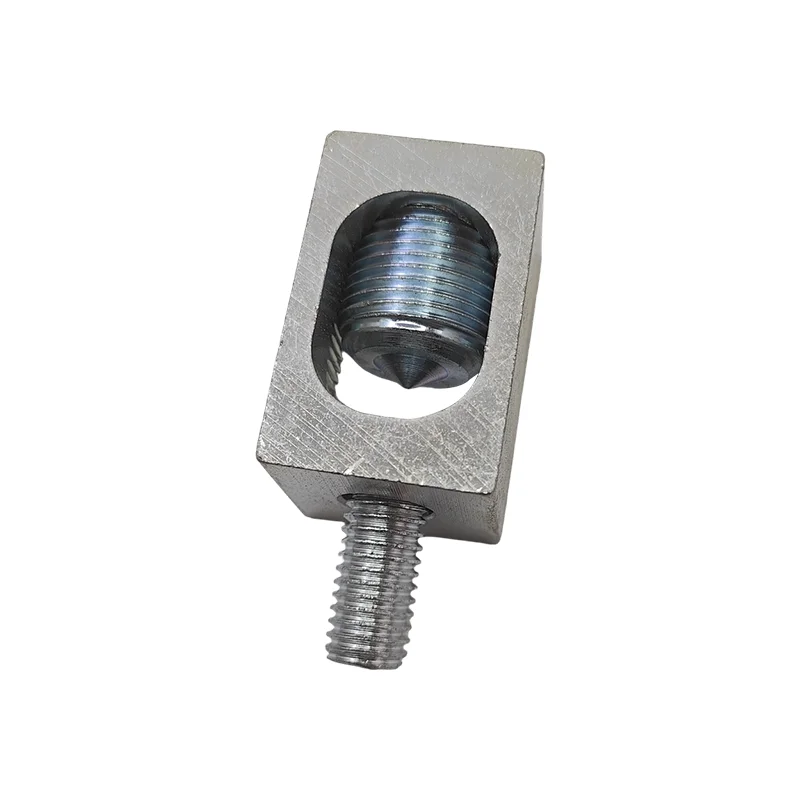
What problems do Box collar lugs solve that “standard lugs” keep causing?
In the field, most complaints aren’t about “conductivity” in the abstract. They’re about outcomes: failed thermal scans, nuisance trips, vibration loosening, or installers fighting a cramped enclosure. Here’s what I’m usually trying to fix:
- Inconsistent clamping pressure that creates micro-arcing and heat rise over time
- Corrosion and oxidation that slowly increases resistance, especially in humid or coastal environments
- Vibration loosening on equipment skids, marine boxes, or industrial control cabinets
- Space constraints where a clean bend radius and a tidy termination actually matter
- Mixed conductor use where copper-to-aluminum compatibility needs to be handled correctly
A well-designed Box collar lugs structure helps by giving you a rigid “box” body, predictable conductor seating, and a fastening approach that keeps the conductor stable instead of letting it creep.
How do I evaluate Box collar lugs without getting lost in spec sheets?
I like to judge parts the same way inspectors and maintenance teams judge the finished install: does it stay tight, stay cool, and stay readable. Here’s the checklist I use when I’m selecting Box collar lugs for a project.
| What I check | Why it matters to me | What “good” looks like in practice |
| Conductor range and fit | A lug that “sort of fits” is how you get hot spots and callbacks | Clear conductor size coverage with stable seating and minimal strand damage |
| Body material and plating | Oxidation control is long-term performance, not marketing fluff | High-conductivity metal with protective tin plating for corrosion resistance |
| Fastener design | Clamping is where reliability is won or lost | Secure screw clamping that holds under vibration and thermal cycling |
| Temperature tolerance | Real enclosures run hotter than bench tests | Materials and insulation options that remain stable in wide temperature swings |
| Insulation and marking options | Safety, identification, and faster maintenance | Optional insulated sleeves in common colors for cleaner, safer layouts |
| Compliance and documentation | Some projects die at approval, not at performance | Straightforward certificates, drawings, and traceability when requested |
This is where Box collar lugs shine: you’re not only buying a conductor termination, you’re buying fewer “mystery failures” after commissioning.
Which Box collar lugs features actually reduce installation time?
I’m picky about parts that claim to be “installer-friendly” because the only metric that matters is whether my team finishes faster with fewer mistakes. These are the features I’ve seen make a real difference with Box collar lugs:
- Rigid box body that stays aligned while you position conductors in a tight cabinet
- Clean conductor entry that reduces strand splay and keeps terminations tidy
- Stable screw clamping that feels consistent across repeated installs
- Optional insulated sleeves that add a safety buffer and improve visual organization
- Customization options so you’re not forcing a near-match into a critical job
If you’ve ever had to re-terminate because a lug twisted while tightening, you’ll immediately understand why I care about mechanical stability as much as conductivity.
Where do Box collar lugs make the biggest difference in real applications?
I see Box collar lugs used most effectively anywhere you have high current, limited space, or a higher risk of vibration and maintenance touchpoints:
- Distribution boxes and switchgear terminations where heat rise and neat routing matter
- Telecom and outdoor enclosures where corrosion resistance protects long-term reliability
- Charging infrastructure and power electronics where stable clamping reduces thermal issues
- Industrial cabinets and control panels where maintenance teams need clear, repeatable terminations
- Marine or mobile equipment where vibration resistance is a daily requirement
In these environments, choosing the right Box collar lugs is less about “premium parts” and more about preventing predictable failure modes.
How do I select the right Box collar lugs for my cable and enclosure?
Here’s the quick selection flow I follow. It’s simple, but it prevents 90% of expensive mismatches:
- Start with conductor type and size and confirm the lug’s supported range matches your spec
- Check your mounting and aperture needs so the mechanical fit is correct the first time
- Decide if insulation is required based on clearance, safety policy, and labeling preference
- Match the environment with corrosion-resistant finishes when exposure risk is high
- Request drawings if your enclosure is tight or you’re building standardized assemblies
If you want to reduce decision risk, I recommend selecting from a proven product family and then customizing only what your application truly demands. That’s the balance I aim for with Box collar lugs projects.
What’s my practical maintenance advice after installing Box collar lugs?
I don’t like overcomplicating maintenance schedules. In most installations, a simple routine works:
- Do a visual inspection during planned service windows and look for discoloration or corrosion
- Confirm the termination remains mechanically stable in higher-vibration environments
- Address water ingress and enclosure sealing issues early so terminations don’t become the “victim”
A solid installation with quality Box collar lugs shouldn’t demand constant attention, which is exactly the point.
Ready to reduce hot spots and rework with Box collar lugs?
If you’re sourcing for a new build, upgrading a problematic termination, or need a customized configuration for your junction box layout, I’d rather you get a correct, reliable fit than gamble on a “close enough” lug. Review the options and send your cable size, mounting requirement, and application details.
Contact us to request a quote, technical drawings, or a fast recommendation for your project.