Warning Heat Transfer Labels Exporter Guide for Safe Handling and Compliance
2026-09-23
Heat transfer labels may look simple, but one misstep in storage temperature, pressure, or regulatory documentation can turn a routine shipment into a costly recall. This exporter guide cuts through the confusion, spotlighting the warning signs most suppliers overlook and the safe handling practices that keep you compliant. If you have ever wondered why some labels fail after washing or why customs flags certain batches, the answers often trace back to handling details—details that Victorygen heat transfer label engineering has addressed from the start.
Heat Transfer Label Chemistries That Demand Respect
The chemistry behind heat transfer labels rarely gets the credit it deserves. It is not just ink on film; it is a carefully balanced system of resins, crosslinkers, and additives that must survive high-temperature presses, aggressive solvents, and years of abrasion. When formulators get the cure window wrong or ignore the substrate's surface energy, the label fails long before the product does. That is why serious converters treat every new adhesive and topcoat as a small research project rather than a drop-in replacement.
Modern heat transfer chemistries have moved well beyond simple plastisol. Polyurethane, silicone, and hybrid systems now dominate where stretch, chemical resistance, or soft-hand feel matter. A label that has to endure repeated industrial washing, for example, demands a crosslinked urethane backbone with high elongation. Meanwhile, silicone-based topcoats deliver the release and slip needed for high-speed application without clouding or yellowing. The trick is balancing these properties without creating a chemistry that fights itself during curing.
The labels that earn respect are the ones that survive the ugly tests: MEK rubs, crocking, QUV weathering, and thermal shock. That kind of performance comes from disciplined formulation, not guesswork. It means choosing the right catalyst level, controlling film thickness, and matching the adhesive to both the textile and the end-use environment. When chemistry is done right, nobody notices the label; they only notice that it still looks sharp after fifty wash cycles.
Glove-Up Handling Steps for Sensitive Surfaces
Before touching any sensitive surface, make sure your gloves are free of dust, oils, or residues from previous tasks. A quick visual check under good lighting can catch most contaminants, but for critical work, wipe the palms and fingertips with a low-lint wipe moistened with an approved solvent. Let the solvent fully evaporate before proceeding—this prevents smearing or chemical transfer that could damage delicate coatings, optical lenses, or cleanroom components.
When donning a fresh pair, grip only the cuff or the inner wrist area, never the working surface of the glove. Pull the glove on smoothly without snapping the material, as sudden stretching can create micro-tears or shed particles. If the glove has a textured grip pattern, avoid touching that pattern with bare fingers—skin oils can transfer and later migrate onto the sensitive surface. For extra safety, double-glove when handling rough-edged parts or high-purity substrates, and replace the outer pair immediately if it contacts anything other than the intended object.
Once your hands are protected, move with deliberate, low-contact handling. Support large or fragile items from underneath using the palms rather than pinching with fingertips, which concentrates pressure and risks cracking or imprinting. Avoid resting gloved hands on benchtops, tools, or packaging that may carry abrasive particles. If you must set down a sensitive component, place it on a clean, dedicated tray or lint-free cloth—never on a bare surface. Finally, inspect the gloves again after any interruption; even a brief touch to a door handle or keyboard can introduce contaminants that defeat the entire handling procedure.
Compliance Pitfalls When Shipping Across Borders
Cross-border shipping often looks straightforward on paper, but the moment a parcel crosses a customs line, overlooked compliance details can trigger costly delays. One common misstep is misclassifying goods under the wrong harmonized system code. A seemingly minor difference in material composition or intended use can shift duty rates dramatically, and importers sometimes discover this only when customs holds the shipment for review. Another frequent issue involves incomplete or inconsistent commercial invoices: missing country of origin, vague product descriptions, or declared values that do not match the purchase order. These small omissions force brokers to pause and request clarifications, adding days of storage fees and frustrating the end customer.
Beyond paperwork, regulatory differences between regions often catch shippers off guard. A product that is perfectly legal in the exporting country might face restrictions, registration requirements, or labelling rules at destination. For example, cosmetics, electronics, and food items routinely need specific certifications or translated safety documentation before they can clear. Treating every destination as if it had the same rules as the home market is a reliable way to create compliance failures. Companies that ship frequently across borders often build a simple checklist per destination: required permits, restricted ingredients or components, mandatory markings, and any recent changes to import bans.
Finally, many teams underestimate the value of monitoring regulatory updates. Customs authorities revise tariff schedules, duty thresholds, and prohibited item lists without much fanfare. A carrier that cleared a shipment last quarter may suddenly face a new inspection requirement or a higher bond demand this quarter. Rather than reacting after a package is stuck, successful shippers assign someone to review official notices monthly—or at least before launching a new route. This habit turns compliance from a reactive scramble into a routine part of planning, reducing surprises and keeping delivery promises intact.
Warning Icons and Text That Survive Real-World Use
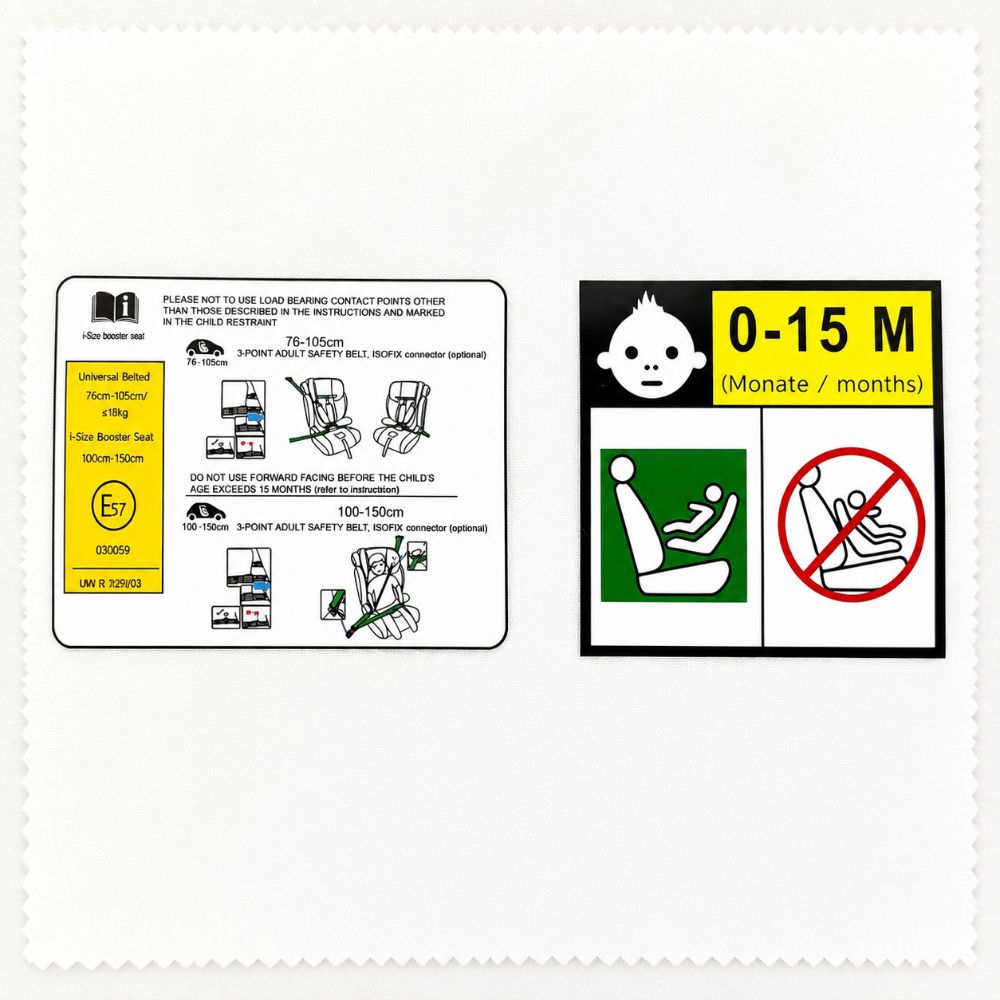
Many warning labels fade into the background after the first week. The ones that stick rely on a blunt, almost awkward honesty rather than polished phrasing. A sticker that says “Do not touch—still hot after three minutes” outlives a generic “Caution: Hot Surface” because it answers the unspoken question: how long until I can safely ignore this?
Icons work the same way. A generic exclamation mark in a triangle gets tuned out, but a simple drawing of a hand with two dropped fingers next to the words “Blade cuts deeper than it looks” forces a second glance. The best warnings are designed for tired people moving fast—short verbs, concrete nouns, and a hint of consequence.
Durability isn’t just about physical material. A warning survives real-world use when it matches the way people actually misread a situation. “Not dishwasher safe—the paint peels, not your problem” on a mug outlasts four pages of fine print. It respects the reader’s time and leaves a small, useful scar in their memory.
Climate-Proof Storage and Transport Practices
Heat waves, sudden freezes, and relentless humidity don't just threaten crops in the field—they can quietly ruin them after harvest. Simple adjustments like moving sensitive goods to naturally cooler areas or using insulated covers can make a visible difference. Experience shows that even stacking crates with air gaps instead of tight rows cuts down on condensation and mold.
Transport is where many storage gains are lost. An unventilated truck bed can turn a mild morning into an oven by noon. Using reflective tarps, scheduling hauls for cooler hours, and checking internal temperatures at multiple points are all low-cost habits. Drivers who record temperature spikes on different routes often find that a slightly longer but shaded path keeps produce fresher than the shortest one.
The real trick is building flexibility into daily routines. Instead of fixed rules, teams respond to local forecasts and road conditions. A warehouse that shifts its loading dock operations earlier in summer or wraps pallets with breathable fabric during wet seasons avoids the costly surprises that rigid schedules create. Getting everyone to treat climate as a moving target, not a static risk, is what separates resilient operations from those constantly fighting spoilage.
Pre-Export Checks That Catch Hidden Failures
Hidden failures rarely announce themselves. A connector that seats just well enough to pass a quick visual glance can still lose contact under vibration or thermal cycling. Before any export shipment leaves the floor, run a continuity sweep across every pin, not just the main power rails. Pay attention to intermittent opens that only appear when a harness is flexed or when the board reaches operating temperature. A simple multimeter pass is not enough; use a short-duration load test to reveal weak crimps and cold solder joints that would otherwise survive a bench check.
Another overlooked area is the mechanical interface between the product and its shipping restraints. Fasteners that are slightly undertorqued may hold during factory handling, but loosen once the crate is moved across a dock or loaded into a container. Record torque values for all accessible bolts and compare them against the assembly spec, not just against the previous unit. If custom foam or blocking is used, verify that it contacts the product in the intended load paths; a block that looks snug but pushes on a non-structural cover can create cracks that are invisible until the customer unboxes the unit.
Finally, reconcile the software and firmware revisions against the export manifest before the crate is sealed. A mismatch here is a classic hidden failure: the hardware passes every functional test, but the installed firmware is a development build with logging enabled or a calibration file from a different variant. Read the version string directly from the device, not from the label, and check that all regional settings, safety limits, and license keys match the destination country. This final ten-minute check can prevent a unit from being rejected at customs or failing its on-site acceptance test.
FAQ
Safe handling goes beyond just avoiding creases. It includes controlling humidity during transit, using vapor-barrier packaging, keeping labels away from direct sunlight and heat sources, and training warehouse staff to lift boxes without crushing corners. Even minor pressure marks can ruin a transfer's release liner.
It depends on the destination. For EU-bound shipments, REACH and EN 71-3 are often non-negotiable if the labels might contact skin or textiles. For the U.S., CPSIA and California Prop 65 often come up. Beyond chemical rules, many buyers insist on ISO 9001 documentation for the production facility.
The classic slip is mixing different adhesive batches in one pallet to save space. That causes inconsistent application temperatures in the customer's factory. Instead, keep every batch segregated, label each carton with its production run and recommended press settings, and include a one-page handling note inside the top lid.
Rigid corner boards and moisture-absorbing desiccants make a real difference. Seal each stack in poly tubing, then place them inside double-wall cartons with no empty space. For high-humidity routes, add a vacuum-sealed inner liner and avoid pallet stretch wrap that presses too tightly against the cartons.
Yes, but not in the way most exporters think. A standard commercial invoice and packing list are not enough if the labels contain plasticizers or pigment pastes. You often need a safety data sheet, a declaration of conformity, and sometimes a lab test report showing migration limits. Missing these can lead to costly holds.
First, ask for photos of the failed garments and the exact pressing parameters used—temperature, dwell time, pressure. Many failures come from the customer's heat press calibration drifting. If the batch is genuinely defective, request the remaining stock be returned in its original packaging so your lab can check coating weight and release force.
Use a one-page visual checklist posted at the packing station. Show two photos side by side: a correctly stacked carton and one with a dented corner. Then ask each packer to initial the checklist for every order. This builds habit faster than a long manual and costs almost nothing to implement.
Conclusion
When exporting heat transfer labels, the chemistry involved isn't something you can ignore. Certain adhesive and ink formulations react badly to humidity, skin oils, or even the plasticizers in cheap gloves—so switching to nitrile or lint-free options before touching label surfaces is a straightforward way to prevent invisible damage. On top of that, cross-border shipping brings its own set of compliance headaches: a label that passes domestic standards might flunk EU REACH or California Prop 65 requirements for residual solvents or heavy metals. Smart exporters pull the safety data sheets early and treat each destination's rules as non-negotiable, not as an afterthought, because a rejected container at customs is far costlier than a quick pre-check.
Durability of the warning graphics themselves is another battleground. Icons printed with standard ink can fade after a few weeks in a hot warehouse, but overlamination or UV-cured topcoats keep the text legible through rough handling and chemical exposure. Storage and transport conditions matter just as much—labels that sit in a damp container or freeze during air freight can curl, delaminate, or lose adhesion before they ever reach the application line. That's why seasoned exporters run a pre-shipment audit that goes beyond visual inspection: they test peel strength on a sample surface, scan for micro-cracks in the print, and verify that the climate logger stayed within the specified temperature and humidity range during transit. These final checks catch the hidden failures that would otherwise surface only after the labels are already in a buyer's hands.
Contact Us
Contact Person: Wang Song Lin
Email: [email protected]
Tel/WhatsApp: +8613751282193
Website: https://www.heat-transferprinting.com/