Top High Precision Cold Rolling Mills: Key Features and Industry Applications Explored
2026-02-08
In the demanding world of precision metalworking, the advent of high-precision cold rolling mills has revolutionized manufacturing processes across numerous industries. For engineers and decision-makers seeking top-tier performance, understanding the key features of these advanced mills is crucial, especially when exploring their broad industry applications. If you're aiming to enhance production efficiency, improve product quality, or expand into new markets, this blog delves into the specifics that set the best mills apart. As a leader in this field, GRM exemplifies innovation and reliability, offering solutions that meet rigorous standards. Stay tuned as we uncover the core attributes and real-world uses of these cutting-edge systems, providing insights that could transform your operations and keep you ahead in a competitive landscape.
Unveiling the Advanced Technology Behind High Precision Cold Rolling
High precision cold rolling has revolutionized modern manufacturing by enabling the production of thin, uniform metal sheets with exceptional dimensional accuracy and surface quality. This process involves passing metal strips through a series of rollers at room temperature, which compresses and thins the material while improving its mechanical properties. Unlike hot rolling, cold rolling reduces grain size and increases strength through strain hardening, making it ideal for applications in aerospace, automotive, and electronics where tight tolerances are critical.
The core of advanced cold rolling lies in sophisticated control systems that monitor and adjust parameters like roll pressure, speed, and lubrication in real-time. Innovations such as hydraulic gap control and shape detection sensors ensure consistent thickness across the entire sheet, minimizing defects like waviness or edge cracks. Additionally, automated feedback loops and predictive algorithms optimize the process, reducing waste and enhancing repeatability, which is essential for high-volume production lines.
Beyond traditional metals, modern cold rolling technology also accommodates specialized materials, including high-strength alloys and coated steels. Techniques like tandem rolling, where multiple stands work in sequence, further boost efficiency and precision. The integration of IoT and digital twins allows operators to simulate and refine processes before physical trials, cutting downtime and costs while pushing the boundaries of what's achievable in metal forming.
Essential Components That Define Top-Performing Rolling Mills
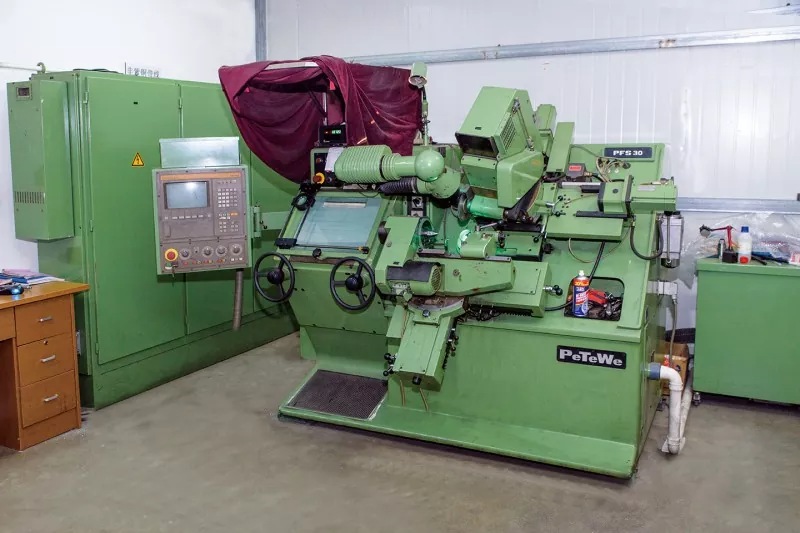
When it comes to achieving superior performance in rolling mills, a few key elements stand out, each contributing to efficiency, durability, and precision in metal processing. At the forefront is the mill stand design, which must balance robust construction with adaptability to handle various metals and thicknesses. Innovations in hydraulic and mechanical systems have revolutionized these stands, allowing for smoother, more consistent rolling operations that minimize downtime and enhance product quality.
Another critical component is the control system, which integrates advanced automation and real-time monitoring to optimize the rolling process. These systems leverage sensors and software to adjust parameters on the fly, reducing errors and boosting throughput. For instance, a well-tuned control setup can prevent material waste and ensure that each roll meets exacting standards, making it indispensable for high-speed, high-volume production lines.
Last but not least, the choice of rollers and bearings plays a pivotal role in defining a mill's performance. High-grade materials and precision machining extend the lifespan of these parts, while innovative cooling and lubrication technologies help maintain optimal temperatures under heavy loads. This attention to detail in the mechanical heart of the mill ensures reliable operation, even in the most demanding industrial environments.
How These Mills Achieve Unmatched Accuracy in Metal Production
In the competitive world of metal production, achieving unmatched accuracy is no longer a luxury but a necessity. These mills leverage a combination of cutting-edge technology and refined processes to minimize deviations and ensure consistent quality across batches. For instance, real-time monitoring systems continuously track temperature, pressure, and other variables, allowing for immediate adjustments that prevent defects before they occur. This proactive approach reduces waste and enhances the reliability of the final product, setting a new benchmark in the industry.
Beyond just digital tools, the human element plays a crucial role in maintaining precision. Skilled operators are trained to interpret data from advanced sensors and make nuanced decisions that machines alone might miss. By combining expertise with automation, these mills create a synergy that drives accuracy to unprecedented levels. Regular calibration and maintenance routines further ensure that equipment operates at peak performance, eliminating common sources of error seen in less meticulous facilities.
What truly sets these mills apart is their commitment to innovation through tailored solutions. Rather than relying on off-the-shelf technologies, they often develop proprietary methods or customize existing systems to fit specific production needs. For example, some mills integrate AI-driven predictive models that forecast material behavior under varying conditions, enabling fine-tuning that rivals the precision of high-end watchmaking. This bespoke approach not only boosts accuracy but also fosters resilience against market fluctuations, making them leaders in metal production.
Diverse Industry Applications Driving Demand for Precision Equipment
Imagine stepping into a modern factory, where machines whir with such accuracy that they can assemble microchips thinner than a human hair, or a clinic where surgical tools operate with millimeter precision to save lives. This isn't science fiction—it's the reality fueled by precision equipment, whose demand is skyrocketing across multiple sectors. From aerospace to biotechnology, companies are turning to these advanced tools to enhance quality, boost efficiency, and push the boundaries of innovation. For instance, in the automotive industry, precision manufacturing ensures that every engine part fits perfectly, reducing waste and improving vehicle performance, while in electronics, it allows for the creation of ever-smaller, more powerful devices. As industries evolve and competition intensifies, the reliance on high-accuracy equipment becomes not just an advantage but a necessity for staying ahead in global markets.
Diving deeper, the push for precision isn't limited to traditional manufacturing. In healthcare, for example, precision equipment is revolutionizing diagnostics and treatment, with tools like MRI machines providing detailed images that doctors use to detect diseases earlier and more accurately. Similarly, in the food and beverage sector, equipment that measures ingredients to the exact gram ensures consistent taste and safety, meeting strict regulatory standards. What sets this trend apart is how it's driven by customization—consumers now expect products tailored to their needs, whether it's a personalized medical device or a uniquely designed smartphone. This shift means businesses must invest in flexible, precise technology to deliver on these demands, creating a ripple effect that boosts the entire supply chain and spurs growth in specialized equipment markets.
Looking ahead, the demand for precision equipment is being further fueled by emerging fields like renewable energy and space exploration, where every component must withstand extreme conditions without fail. In wind turbines, for instance, precision gearboxes are essential for efficient energy conversion, while in satellite manufacturing, high-tolerance parts ensure successful missions in orbit. As these applications diversify, they create a virtuous cycle: new industries adopt precision tools, driving innovation that, in turn, makes the equipment more accessible and affordable for others. This dynamic interplay ensures that the market for precision equipment remains vibrant and growing, reflecting a world where accuracy is no longer a luxury but a cornerstone of progress across all sectors.
Customization Options Tailored to Specific Manufacturing Needs
Customization in manufacturing isn't just about tweaking a product—it's about adapting every aspect of production to fit unique industrial landscapes. This means designing solutions that align precisely with operational demands, whether you're scaling a batch of specialized components or integrating new technologies seamlessly. By focusing on specific needs, manufacturers can enhance efficiency and reduce waste, ensuring each project moves forward with a tailored approach that addresses real-world challenges on the factory floor.
Think of it as building a production line that evolves alongside your business goals. This approach allows for flexibility in material selection, production speed adjustments, and even software customizations that improve workflow automation. It's not a one-size-fits-all solution; instead, it's about creating tools and processes that resonate with your team's expertise and your industry's standards, delivering outcomes that feel both innovative and intuitive.
Ultimately, tailored customization empowers manufacturers to stay competitive in fast-paced markets by responding quickly to shifts in demand or technology. It's about forging partnerships that go beyond mere transactions, fostering collaborations where every detail—from prototype tweaks to full-scale implementation—is crafted with precision. This results in a manufacturing ecosystem that's not only functional but also uniquely equipped to handle future challenges with confidence and creativity.
Future Trends Shaping the Evolution of Cold Rolling Technologies
As industries push for greater efficiency and sustainability, the evolution of cold rolling technologies is increasingly driven by intelligent automation and data-driven precision. Advanced sensors and AI algorithms are being integrated into rolling mills to monitor material properties in real-time, enabling subtle adjustments that reduce waste and improve product consistency. This shift minimizes human error and adapts quickly to varying input materials, leading to more resilient manufacturing processes that meet stringent quality standards.
Another key trend involves the adoption of lightweight and high-strength materials, such as advanced alloys and composites, which demand novel rolling techniques to maintain structural integrity. Innovations like incremental forming and hybrid processes are emerging to handle these materials without compromising performance, allowing for thinner gauges and enhanced mechanical properties. These developments not only support sectors like aerospace and automotive but also foster circular economy initiatives by facilitating easier recycling and reuse of rolled products.
Environmental considerations are also reshaping cold rolling, with a growing emphasis on energy-efficient designs and reduced carbon footprints. Modern mills are incorporating renewable energy sources and closed-loop cooling systems to slash emissions and water usage, while predictive maintenance tools help extend equipment lifespan. By aligning technological progress with ecological goals, these trends ensure that cold rolling remains a vital, forward-looking component of global manufacturing infrastructures.
FAQ
Top high precision cold rolling mills stand out by achieving exceptionally tight tolerances, often within microns, thanks to advanced control systems and ultra-stable machinery design, ensuring superior surface finish and dimensional accuracy in products like foils or precision strips.
Features such as sophisticated hydraulic gap control, precise tension management, and high-resolution sensors enable consistent production under varying conditions, crucial for industries like aerospace where material integrity is paramount, directly enhancing reliability and reducing waste.
They're heavily used in automotive, electronics, and medical device manufacturing due to their ability to produce ultra-thin, uniform materials for components like engine parts, circuit boards, and surgical tools, where precision directly impacts safety and functionality.
Recent trends include integration of AI for real-time process optimization, use of wear-resistant materials to extend mill life, and enhanced cooling systems that improve efficiency, pushing boundaries in speed and accuracy while minimizing downtime.
Modern mills incorporate energy-efficient drives, recyclable lubricants, and closed-loop cooling to reduce carbon footprint, aligning with green manufacturing goals without compromising on output quality, making them sustainable choices for eco-conscious industries.
Key hurdles include high initial investment costs, the need for skilled operators to manage complex systems, and maintaining consistency across long production runs, requiring robust maintenance schedules and continuous training to overcome.
Yes, manufacturers often tailor mills with specific roll configurations, custom software interfaces, or specialized coatings to meet unique demands, such as producing magnetic alloys for renewable energy or ultra-pure metals for high-tech sectors.
By reducing material defects and rework, high precision mills lower production costs over time, extend product durability, and enhance end-user satisfaction, offering a competitive edge through improved yield and long-term savings.
Conclusion
High precision cold rolling mills represent the pinnacle of modern metalworking technology, driven by advanced engineering and innovative components. These mills excel through sophisticated control systems and robust mechanical designs that ensure unparalleled accuracy in metal production, meeting stringent tolerances across various materials. The integration of smart sensors and automation enhances consistency while reducing human error, making them essential for industries demanding high-quality outputs. As customization options expand, manufacturers can tailor equipment to specific needs, further boosting efficiency and versatility in production lines.
The demand for precision cold rolling mills is fueled by their diverse applications in sectors like aerospace, automotive, and electronics, where precision is critical for performance and safety. Looking ahead, future trends point towards greater sustainability, digitalization, and adaptive manufacturing, shaping the evolution of these technologies. By embracing these advancements, the industry is set to deliver more flexible and efficient solutions, ensuring cold rolling remains at the forefront of metal fabrication innovation.
Contact Us
Contact Person: Rayna
Email: [email protected]
Tel/WhatsApp: 86 -173 1474 6343
Website: https://www.grmrollingmill.com/