Top Folding Door Ideas to Enhance Space and Natural Light
2026-10-04
Imagine walls that vanish, blurring the line between your living room and the sunlit outdoors. Folding doors do exactly that — they stack neatly to one side, opening up entire walls to fresh air and daylight. Yet most homeowners settle for standard sliders, missing out on clever configurations that can transform a cramped space into an airy retreat. From corner-opening systems to sleek threshold designs, there are smarter ways to use these panels than you might think. That’s where NORTON comes in, offering innovative folding door solutions that balance style, durability, and light. Below, you’ll find top ideas that not only maximize your square footage but also invite more natural glow into every corner — ready to rethink your openings?
Glass Accordion Wall Opening the Kitchen to the Backyard
A glass accordion wall does more than connect the kitchen to the backyard—it changes how you use both spaces. When fully opened, the panels stack flat against one side, leaving only a slim track between the kitchen floor and the patio. You can prep dinner at the island while someone grills a few feet away, and passing plates back and forth feels natural rather than like a chore.
The payback isn't just in square footage. Morning light hits the countertops earlier, and a cross breeze can cool the whole main floor without the air conditioner kicking on. In cooler months, keeping the glass closed still gives you a wide view of the yard, so the kitchen never feels boxed in.
There are a few details worth getting right. Look for a low-profile sill that sits nearly flush with the floor, and choose hardware you actually like touching—these panels get opened a lot. If insects are common in your area, plan for a retractable screen from the start instead of retrofitting one later.
Borrowed Daylight Through Interior Folding Panels
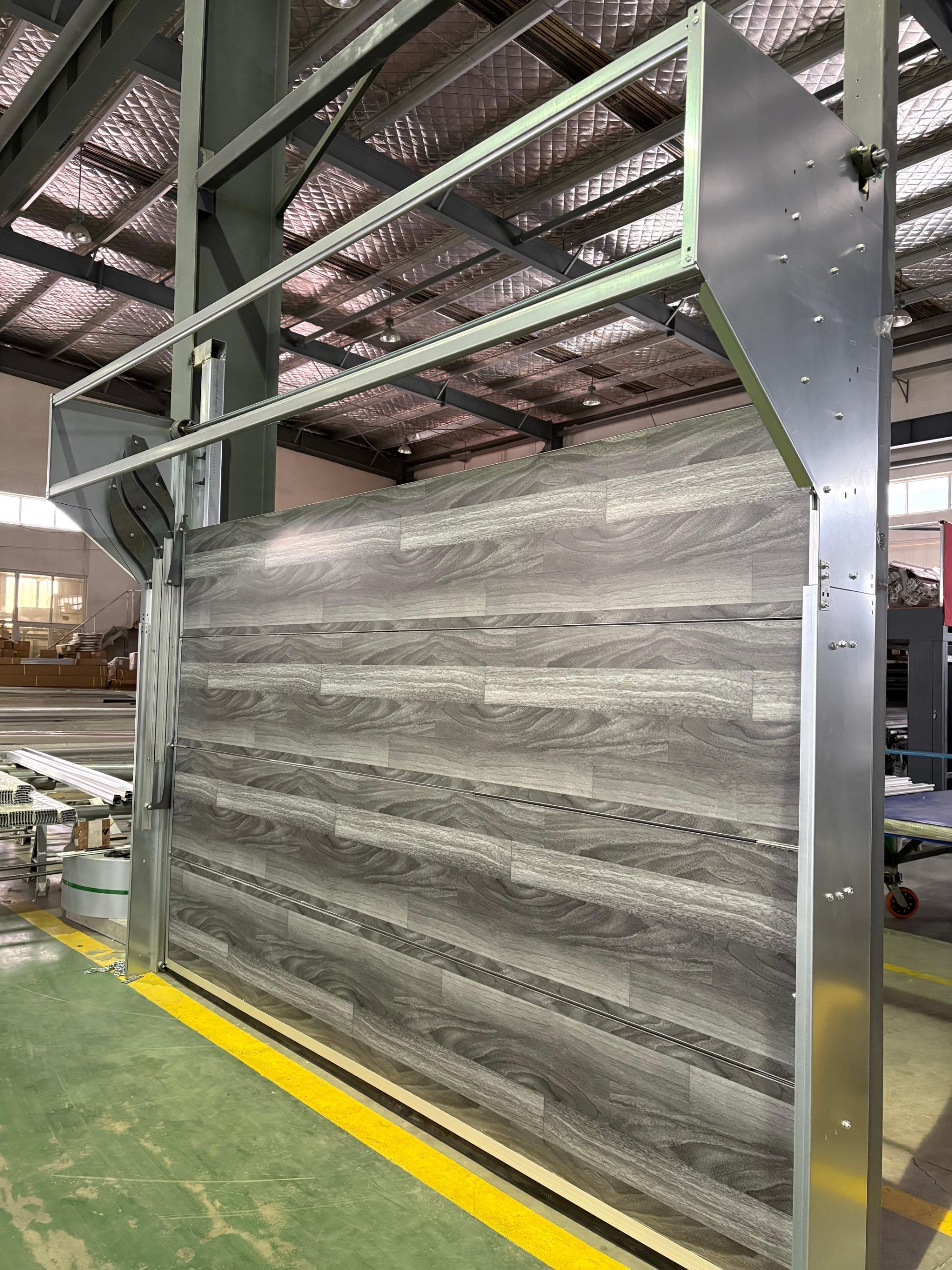
Instead of a solid wall, a run of folding panels can pull daylight deeper into a floor plan. When closed, translucent or clear panels act like a light shelf, carrying afternoon sun from a living space into an interior hallway or pantry. The effect is subtle: the borrowed glow moves across the floor as the angle of the sun shifts, so the inner room never feels entirely cut off.
Frosted glass, reeded glass, polycarbonate, or even a tight wood screen each change the quality of the borrowed light. Frosted panels diffuse the beam into a soft, even wash, while reeded glass stretches it into narrow vertical stripes that animate nearby walls. Because the panels fold, the opening can be adjusted to control both brightness and privacy without reaching for a switch.
The real payoff comes in rooms without exterior windows—laundry rooms, walk-in closets, central baths. A folding panel system lets them share daylight with an adjacent sunlit room. The panels can be stacked to one side when full openness is wanted, then closed to borrow light while still separating noise or odor. This reduces the need for artificial lighting during daytime hours and keeps the plan feeling more connected.
Corner Opening That Turns a Living Room Into a Veranda
Removing the corner where two exterior walls meet does more than enlarge a window—it folds the living room outward. The structural column gets replaced by a slim steel post or hidden cantilever, and suddenly the room loses its hard edge. Sightlines run diagonally across the space, past the sofa, straight into the garden or street beyond. That single missing corner pulls the outdoors in with an almost magnetic force.
The trick lies in keeping the floor and ceiling continuous. Run the same oak boards from the living area straight through to the exterior deck, without a threshold or step. Align the ceiling panels so they carry the same rhythm outside. When the corner glazing slides fully into the wall cavity, nothing vertical remains—just an open mouth of space. Air moves through in a steady cross-breeze, and low afternoon light rakes across the floor, erasing any sense of enclosure.
Living here changes your habits. You don't think of stepping outside; you simply drift toward the open corner. A reading chair might migrate halfway onto the deck on a mild day. Rain becomes an event—you sit just inside the dry edge and listen to it hit the awning fabric. The room stops being a container and starts acting like a veranda, where the threshold is not a line but a gradient of light, air, and sound.
Slim Steel Frames for Uninterrupted Garden Views
Thin steel profiles practically vanish against the glass, leaving nothing between you and the greenery outside. The narrow sightlines let flower beds, mature trees, and even distant hedges stay visible from every corner of the room.
Because the frames are engineered to bear heavy glazing without bulk, you can stretch openings wider than conventional windows allow. The garden becomes a living backdrop instead of a series of framed snapshots.
Powder-coated finishes in dark tones further reduce visual noise, while the slim structure holds up well against wind and settling. It’s a quiet trade: less metal, more landscape.
Half-Height Folds That Preserve Privacy While Letting Sun Pour In
The half-height fold sits at a sweet spot between full coverage and bare glass. Instead of a shade that rolls all the way down or stacks in bulky pleats, this design stops mid-window, leaving the upper portion open to daylight while the lower section shields you from street-level sightlines. The result is a room that feels airy and connected to the outdoors, yet still gives you a sense of enclosure where you need it most—whether that’s a living room facing a sidewalk or a bathroom window above the tub.
What makes this approach feel less like a compromise is the way it plays with light. Morning and late-afternoon sun angles slip through the uncovered top, casting soft pools on the ceiling and upper walls. Meanwhile, the folded fabric diffuses the harsher midday glare, so you get ambient warmth without the squint. Because the fold line sits at a deliberate height, it also draws the eye upward, subtly making ceilings feel taller—a trick that full-length shades rarely pull off.
Privacy holds up surprisingly well, too. Passersby tend to scan at eye level, not crane their necks toward the top of your window. The half-fold blocks that direct line of sight while keeping the upper pane clear for sky views, treetops, or passing clouds. It’s a practical detail that feels less like hiding and more like curating exactly what the outside world gets to see.
Panels That Slide Into a Pocket and Leave No Trace
Most sliding systems leave a visible track, a frame, or at least a shadow of where the panel used to be. This one doesn't. The entire panel disappears into a wall pocket so cleanly that you'd never know it was there until you reach for the recessed pull. It's the kind of detail that makes a room feel less like a construction project and more like a single, uninterrupted piece of architecture.
When closed, the panel sits flush with the surrounding surface, no raised guides or exposed rollers. On bare feet, you won't stub a toe or feel a temperature change. The real test is watching a first-time guest try to find the door. They'll run their hand along the wall, pause at the faint seam, and then smile when the whole section glides sideways into its pocket.
For small spaces, this is a quiet revolution. A home office can vanish after dinner. A pantry can hide the mess. The pocket does the heavy lifting, so the panel never leans, sags, or scrapes the floor. All you're left with is open air and the freedom to rearrange a room without a trace of the hardware.
FAQ
One approach is to replace an entire back wall with a multi-panel folding system that stacks neatly to one side, effectively erasing the boundary between your lounge and the garden. You can also use them internally to divide an open-plan kitchen and dining area, letting you close off cooking smells when needed or open everything up for parties.
Because the panels fold completely out of the opening rather than overlapping, you lose far less glass area when the door is open. Even when closed, the slim frames and wide panes allow a wider uninterrupted view and let sunlight reach deeper into the room, reducing the need for artificial lighting during the day.
Aluminum is a solid choice because it's strong yet slim, allowing larger glass panels without warping. Timber adds warmth and suits period properties, though it needs more upkeep. For a middle ground, composite or aluminum-clad timber gives you the insulating benefits of wood with a low-maintenance metal exterior.
Yes, they shine as interior partitions, too. A fold-away wall between a home office and a living room means you can create a quiet workspace during the day and open the area up in the evening. They're also useful for connecting a bedroom to a dressing area or separating a utility room without blocking light.
Pay attention to the stack space—where the panels will gather when open. Opt for a configuration that folds outward or to one side so it doesn't eat into your floor area. Low-profile floor tracks and lighter glass can also make the installation feel less bulky and easier to operate.
Clean the tracks regularly with a soft brush or vacuum to remove grit, and wipe down the seals with a mild soap solution. Lubricate hinges and rollers with a silicone-based product every few months, and check the alignment once a year so panels don't drag or stick.
They can be, if you choose thermally broken frames and double or triple glazing. Proper weatherstripping and a low threshold help prevent drafts, and modern locking systems keep heat in. It's worth investing in quality installation to ensure the seals perform well in rain and snow.
Conclusion
Imagine a kitchen that opens completely to a backyard through a wall of glass accordion panels, erasing the line between cooking and lounging outdoors. It's not just about access—it's about letting the outside become part of your daily rhythm. The same design logic works indoors too: folding panels between rooms borrow daylight from sunnier areas, allowing soft light to filter into hallways or dens while keeping the option to close things off when needed. For a bolder move, a corner opening with folding doors turns a living room into a true veranda, where two walls disappear and the whole space breathes with fresh air and open views.
Slim steel frames push this aesthetic even further, offering uninterrupted garden views with barely-there profiles that feel more like picture windows than barriers. If privacy is a concern, half-height folding panels are a clever compromise—they stop at waist level so sunlight pours over the top while you remain shielded from the street. And for the ultimate disappearing act, panels that slide into a pocket leave no trace at all, tucking entirely out of sight so you'd never guess a door was ever there. These ideas show that folding doors aren't just functional; they fundamentally change how a home feels and connects to light.
Contact Us
Contact Person: Cyril He
Email: [email protected]
Tel/WhatsApp: 8613969697307
Website: https://cqyqgd.en.alibaba.com/