Top Automatic Paper Bag Making Machines for High-Volume Production
2026-11-28
Every minute counts when your production line runs at full tilt, yet underperforming paper bag machines can quietly eat into your margins. From grocery chains to e-commerce packaging, high-volume demand is reshaping what operators expect from their equipment. ROKIN has engineered a practical answer with automatic paper bag making machines built for sustained speed, precise forming, and fewer interruptions. In this guide, we break down the top-performing models that help converters move beyond constant troubleshooting and toward reliable output. Whether you are upgrading a single line or planning a full-scale expansion, ROKIN brings the engineering focus that keeps your production floor moving.
The Real Difference Between Standard and High-Volume Paper Bag Lines
Most buyers enter the comparison expecting a high-volume paper bag line to be a standard machine with a sturdier frame and a faster main drive. The actual split happens in how the line behaves when something goes slightly off. A standard line assumes an operator will be within reach, so it can tolerate modest variations in roll tension, glue application, and sheet alignment because someone is there to correct them. A high-volume line has to hold those variables inside a narrow window on its own, often through closed-loop tension control, automatic splicing, and inspection points that reject bad bags before they reach the packing area. The speed rating matters less than the consistency the line can sustain between shift changes.
The delivery end usually reveals more than the forming section. Standard configurations often rely on a simple shingled output and manual stacking, which keeps the initial investment low but places a hard ceiling on throughput. High-volume systems tend to be tied into automatic bundling, case packing, or palletizing equipment, so the bag line must deliver a precise count and a stable stack at a steady pace. If the stack alignment drifts, the downstream automation stops or creates waste, and that is where a fast line can become slower than a standard one.
There is also a difference in changeover philosophy. On a standard line, a skilled operator can make adjustments by feel and memory, and variations between shifts are usually absorbed later in the packing process. High-volume lines replace some of that tacit knowledge with recipe-driven servo positions, automatic size change features, and guarded parameters that prevent drift. The real dividing line is not the maximum mechanical speed. It is whether the entire system can keep making the same bag at the same quality level without relying on constant manual intervention.
Feeding Systems That Avoid the Usual Mid-Shift Jams
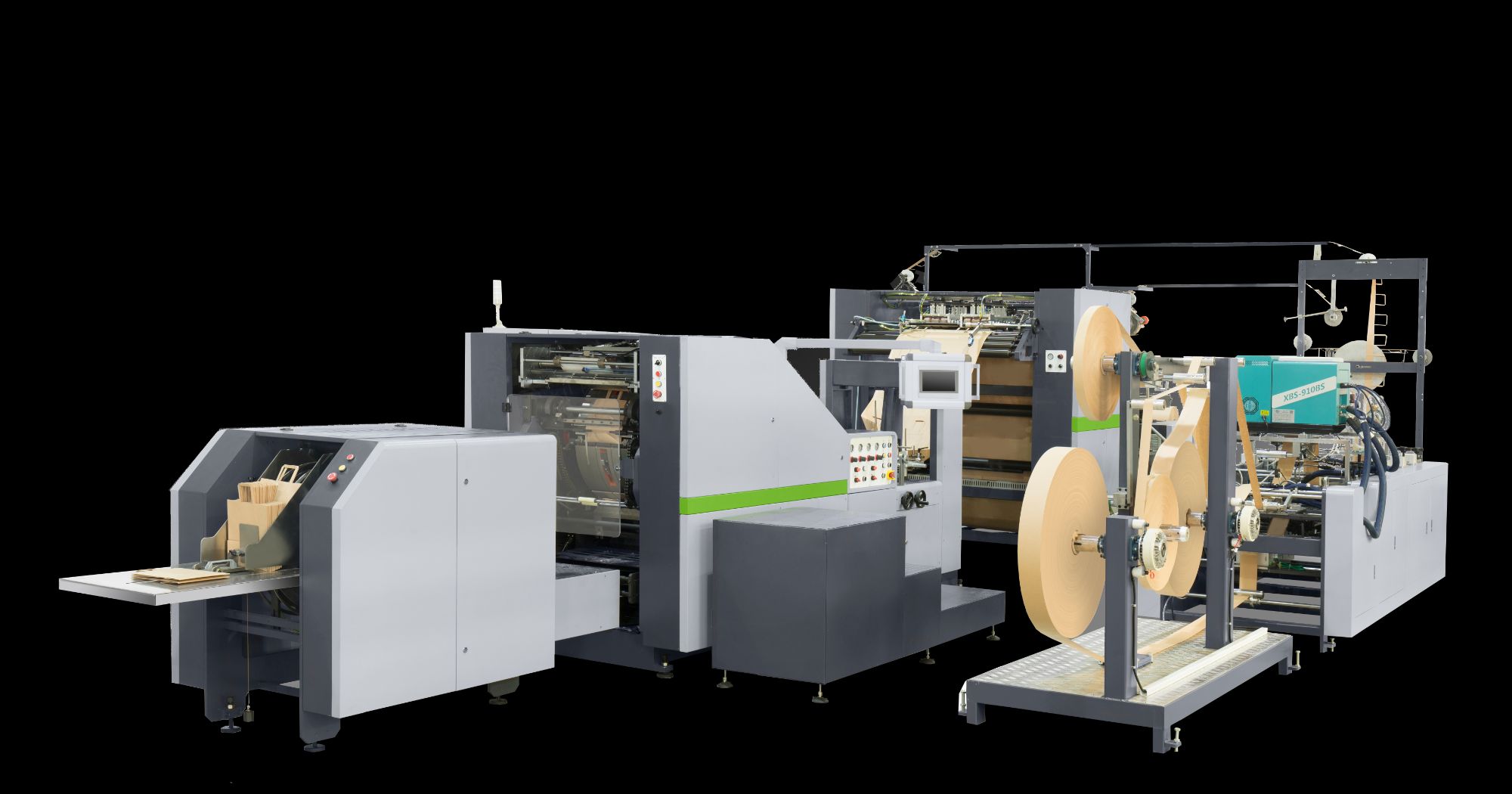
Most mid-shift jam-ups start the same way: parts get pushed too hard into a turn, a burr catches an edge, and everything behind it piles up in seconds. The better feeding setups now avoid that by giving the product room to settle instead of forcing it forward. Shallow accumulation zones, tapered rails, and gentle drop-offs keep the line moving without letting a single misaligned piece turn into a full stop.
What makes a real difference is separating the feed into a metering section and a release section. When sensors pick up a build-up, the upstream drive pauses or slows instead of packing more parts into the same clog. Some systems even pulse the track in reverse for a fraction of a second, which is often enough to clear a snag before the operator has to reach for a tool.
The result is less dramatic than it sounds, but it shows up in fewer mid-shift interruptions and fewer bent guides. Maintenance becomes more about checking wear and less about clearing the same jam point every afternoon. A feeder that controls the rhythm, rather than just pushing harder, tends to keep the whole line steadier.
Changeover Speed Still Determines True Daily Capacity
Most capacity models still assume a machine produces whenever the power is on. Reality looks different on a line that changes flavors, sizes, or grades several times a shift. The gap between rated output and actual output is created less by slow cycling than by the minutes lost during washouts, rail adjustments, die swaps, and verification checks. Once that time is treated as a controllable variable rather than background noise, the daily count starts to move.
The best crews do not just rush through a changeover; they reduce the number of steps required and sequence them so the line returns to stable production sooner. For instance, a beverage line that moves from mango to peach might cut changeover by staging hoses and clamps before the previous run ends, then running a pre-rinse during the final pallet wrap. The saved time shows up not as a one-time gain but as extra pallets every shift without adding people or equipment.
True daily capacity is therefore not set by the maximum speed of a filler, molder, or wrapper. It is set by how many times the line stops and how quickly each stop ends. Planners who ignore changeover speed end up overstating what existing assets can deliver, while operators who refine that transition gain usable hours that no capital project can match.
Why Paper Grade and Bag Style Change Your Machine Requirements
Paper grade affects more than how the finished bag feels. A short-fiber recycled sheet can snap under tension that a long-fiber virgin kraft handles without stretching, so feed rollers and dancer arms have to be tuned differently. Porosity also shifts how vacuum transfer holds the sheet, and heavier caliper stock often needs a wider gap at the folding plates or it creases off-center.
Bag style adds another layer of variables. A flat-bottom bag needs a bottom patch and often a different adhesive pattern than a pinch-bottom or sewn-open style. Adding a window, a handle patch, or a stepped-end construction changes the sequence of cutoffs, scores, and glue application. If those stations are not repositioned or retimed, the machine can run slower than rated or produce bags that lean to one side.
The practical fix is to treat machine settings as a recipe that changes with the job, not a one-time setup. Run a short trial with the actual paper grade and bag style before committing to full production, and record the tension, folding plate gap, glue temperature, and air pressure for each combination. That saves more time than chasing register errors after the line is already running.
Maintenance Points That Matter More Than Top Speed
A machine that posts an impressive top speed but shudders under hard braking is not actually fast where it counts. Checking brake pad thickness, rotor trueness, and tire pressure before chasing extra power gives you the confidence to brake later and corner harder. That daily predictability matters more than a number on a spec sheet.
Drag from a dry chain, tight links, or gritty wheel bearings quietly steals acceleration long before you reach peak velocity. A few minutes spent cleaning and lubricating the drivetrain, then checking for play in the hubs and steering stem, makes the whole machine feel lighter and more willing to change direction.
Loose fasteners and stale suspension oil create a vague, nervous feel that no engine tune can hide. Going over key bolts with a torque wrench and keeping suspension pivots serviced helps the frame track straight and the wheels stay planted. That kind of composure turns a quick bike into one you actually enjoy riding hard.
Reading Through Manufacturer Throughput Numbers
Vendor throughput sheets tend to look impressive until you notice the setup buried in the footnotes. The headline figure often comes from a clean lab bench with large frames, zero contention, and a single traffic pattern that flatters the silicon. That number is not a lie, but it is not the network you will run on a Tuesday afternoon.
When comparing two boxes, treat the manufacturer number as a ceiling rather than a prediction. Packet size changes everything: a box that moves 9000-byte jumbo frames at line rate may fall far short with 64-byte packets because per-packet processing eats the forwarding budget. Also check whether the figure is aggregate across all ports or per port, and whether it is measured with features like access lists, encryption, or logging turned on.
A useful habit is to ask what the number leaves out. Latency under load, drop behavior during bursts, and performance with mixed traffic seldom appear in the bold print. If a vendor cannot explain the test setup in plain terms, the throughput figure deserves more skepticism than excitement.
FAQ
Check sustained speed rather than the brochure number. A line that holds 160 bags per minute through an eight-hour shift is more valuable than one that peaks at 200 but trips every time the paper tension shifts. Also look at roll-change downtime and how much floor space the unwind system actually needs.
Most can handle flat and satchel bags, twisted handle bags, or block-bottom styles, but rarely all of them on one frame without swapping parts. If your orders mix formats, ask for a recorded changeover on the exact materials you run, not a demo on thin standard paper.
Less than older equipment, but they are not fully unattended. One operator can usually manage two or three lines if the machines have reliable splice detection and clear fault readouts. The key is whether the controls let staff fix common jams quickly instead of waiting for a technician.
Kraft paper from about 40 to 120 gsm is the most common range. Machines that handle both virgin and recycled stock without constant caliper adjustments save a lot of time. If you plan to run coated or grease-resistant papers, test those rolls before buying because they change how the folding and gluing sections behave.
Daily cleaning of the glue applicator and regular inspection of forming plates and suction belts make the biggest difference. Many slowdowns come from adhesive buildup or worn creasing edges, which are cheap to fix but cause misfeeds if ignored. Keep a log of roll changes and minor stops to spot patterns early.
For frequent size changes, yes. Servo models let you adjust bag length, handle position, and seal timing from a screen instead of changing mechanical parts. If you run the same three formats all month, a well-maintained mechanical line may give the same output for less money.
Roll changes and glue-related stops are the two big ones. Machines with a flying splice or a second unwind stand keep running during changes. On the gluing side, temperature-controlled tanks and automatic cleaning cycles reduce the slowdowns that happen when adhesive dries in the nozzles.
Conclusion
High-volume paper bag production rarely comes down to a single impressive speed rating. Standard lines run fine for steady, predictable orders, but once a plant moves into continuous multi-shift work, the real differences appear in frame stiffness, web tension stability, and whether the forming section holds square-bottom tolerances hour after hour. Feeding systems are another area where paper dust and static cause trouble before anyone notices. Servo-driven rollers with adjustable vacuum zones tend to run cleaner on mixed grades than fixed-speed friction feeders, and they avoid the usual mid-shift jams that quietly eat into output. Changeover speed matters just as much: a line that takes forty minutes to move between bag widths or handle lengths can wipe out the gains from a faster rated speed before lunch.
Paper grade and bag style push machine requirements in different directions. Lightweight recycled kraft stretches and drifts, while stiff virgin board holds its shape but wears perforation knives faster, and twisted-handle SOS bags need different tooling than flat satchels. Maintenance access often decides real daily capacity more than headline speed because belts, glue nozzles, and sealing bars degrade at uneven rates under heat and dust. Manufacturer throughput numbers deserve a second look as well. A quoted figure may assume ideal paper, one bag size, no stops, and perfect operator timing. The machines that actually perform in high-volume settings are the ones whose output stays respectable across frequent changeovers, mixed materials, and the normal interruptions of a working shift.
Contact Us
Contact Person: CARA
Email: [email protected]
Tel/WhatsApp: +8619519778302
Website: https://www.rokinmachinery.com