Top 10 First Aid Bag Companies for Dependable Emergency Preparedness
2026-09-26
When an emergency hits, the last thing you want is to fumble through a flimsy bag that falls apart at the seams. Dependability isn’t a luxury—it’s the entire point. That’s why we’ve sifted through dozens of first aid bag makers to bring you the top 10 companies that actually hold up when seconds count. Along the way, one name kept surfacing for its rugged design and no-nonsense organization: Kebon. Curious what sets these brands apart? Let’s dig in.
What Separates Reliable First Aid Bag Makers from the Rest
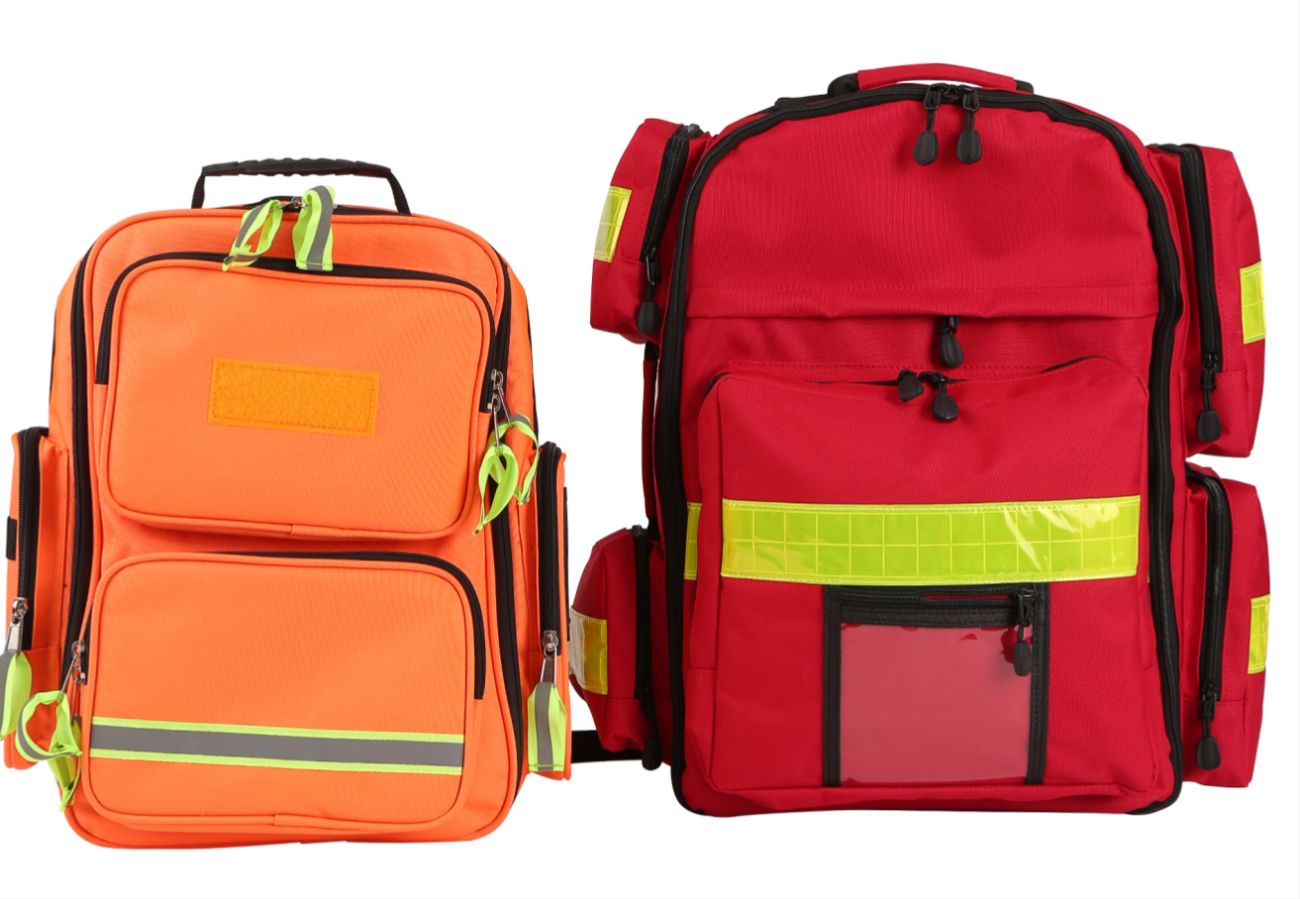
A dependable first aid bag manufacturer doesn't just stitch fabric and call it a day. They obsess over the small stuff—zippers that don't snag when seconds count, reinforced seams that survive being tossed into a truck bed, and interior layouts that let you find a tourniquet without dumping everything on the ground. Many makers cut corners with flimsy dividers or cheap hook-and-loop strips that wear out after a few months. The reliable ones test their bags with actual emergency responders, then tweak the pocket angles and strap lengths until the gear practically hands itself to you under stress.
What also sets them apart is how they handle customization and supply consistency. Reliable makers offer clear options for heat-sealed logos, modular inserts, or color-coded compartments without making you guess at hidden fees or minimum order games. They keep their materials sourced from the same mills batch after batch, so the red cross patch on your hundredth bag matches the first one. And when a zipper pull breaks three years in, they have a warranty process that doesn't require a phone tree and a prayer. The rest? You'll find mismatched fabric lots, vague lead times, and silence after the invoice clears.
Finally, reliable makers treat first aid bags as tools, not accessories. They understand that a bag designed for a factory floor faces different wear than one for a hiking trail or a patrol car. That means heat-resistant linings near hot machinery, waterproof bases for muddy rescue scenes, and adjustable shoulder straps that don't dig in during a two-mile carry. It's this kind of field-informed design—combined with honest material specs—that separates a bag you'd trust with a bleeding coworker from one that's just another pretty pouch on a shelf.
Inside the Materials and Construction That Hold Up in Emergencies
Most buildings are designed for everyday loads, but the ones that survive emergencies share a quiet obsession with failure points. High-ductility steel frames, for instance, bend noticeably before breaking, giving occupants precious minutes to escape during an earthquake or blast. Concrete is often reinforced with synthetic fibers that hold micro-cracks together, preventing sudden spalling when exposed to extreme heat.
Equally important is how those materials are connected. Moment-resisting joints, oversized anchor bolts, and continuous load paths ensure that if one column is compromised, the surrounding structure can redistribute weight instead of collapsing in a chain reaction. In flood-prone areas, breakaway ground-floor walls let water pass through without undermining the upper stories.
Some of the most critical defenses are invisible until needed. Intumescent paints swell into a thick, insulating char when flames touch them, protecting steel from losing strength. Impact-rated glazing uses laminated interlayers to stay in place even when shattered, keeping wind, debris, and smoke out. Backup systems for power and ventilation are often housed in hardened cores, so emergency lighting and stair pressurization keep working when the main grid fails.
Finding the Right Kit for Home, Car, or Trail
A home kit that sits untouched for years usually gets ignored when you need it most. Store one in a spot you walk past daily, like a hallway closet or under the kitchen sink, and keep the contents simple: a headlamp, a few days of any prescription meds, a battery-powered radio, and enough water for each person. Skip the bulky multi-tool with forty functions if you already have a decent knife and screwdriver in the house.
Car kits fail when they are buried under groceries or forgotten in a spare tire well. Pack a small duffel with jumper cables, a tire inflator that plugs into the 12V outlet, a reflective vest, and one warm blanket per regular passenger. In colder months, swap in hand warmers and a bag of sand or cat litter for traction. Keep the bag within reach of the trunk, not under the floor panel, so you can grab it fast.
On the trail, every ounce matters, so think in layers instead of a prepacked "survival tin." A basic repair roll with duct tape, zip ties, and a tiny sewing kit covers more ground than a heavy fixed-blade knife. Water purification tablets weigh almost nothing but solve the biggest problem if you run out. And always carry an extra pair of socks plus a lightweight space blanket—two items that turn a forced overnight stop from miserable into manageable.
The Underrated Extras That Make a Kit More Usable
Most people judge a kit by its headline items—the blade, the multitool, the flashlight. But it's often the small, unglamorous additions that determine whether you'll actually reach for it again. A set of adhesive-backed hook-and-loop squares, for example, lets you mount a light inside a tent or secure cable runs without permanent modification. Likewise, a few tiny zip ties and a roll of self-fusing silicone tape have saved more field repairs than any dedicated gadget.
Weight and volume matter, but so does the ability to adapt. I keep a pair of folding mini scissors, a small diameter ferro rod with a scraper, and a needle-nose tweezer tucked into the side pockets of every kit I build. None of them wins a spec-sheet comparison, yet each has solved a problem that a pricier tool could not. The scissors trim bandages or thread; the tweezer pulls splinters and positions tiny screws; the ferro rod works even when wet.
Another overlooked category is information and calibration. A laminated cheat sheet with common knots, first aid steps, and a map scale ruler adds almost no weight but saves mental bandwidth. I also include a short pencil and a few waterproof paper tags for labeling, because being able to leave a note or mark a trail junction is a usability feature no app can replace when the battery dies.
How Restocking Programs Change Long-Term Preparedness
Instead of treating preparedness as a single weekend project, restocking programs turn it into a rhythm. Households rotate water, batteries, and first-aid supplies on a fixed schedule, which keeps expiration dates from sneaking up and makes checking gear feel ordinary rather than alarming.
Over time, this steady cadence changes what people actually keep on hand. A rotating pantry means the flashlights and portable stoves get tested, not forgotten in a bin. Local retailers and community groups that run regular restock drives also see less last-minute panic buying before storms, because the baseline inventory in homes is already higher.
The long-term effect is less about having a perfect stockpile and more about building a reflex. When restocking is tied to recurring events like daylight saving time or the start of hurricane season, preparedness stops being a crisis response and starts to feel like routine maintenance. Families that skip a cycle rarely fall far behind, because the system is designed to be easy to resume.
What We Noticed When Testing These Ten Brands
Testing ten brands side by side revealed that spec sheets rarely tell the whole story. A couple of models that looked nearly identical on paper diverged sharply in real use — one had a tactile response that felt satisfying, while the other required twice the effort for the same result. The differences weren’t always about raw performance either; sometimes it came down to how the product handled after ten minutes of continuous use.
We also noticed that build quality didn’t always track with price. One mid-priced option outlasted two premium names in our stress test, largely due to a smarter internal layout rather than fancier materials. Conversely, a well-known brand leaned heavily on its reputation but shipped with a flimsy attachment point that failed early. Those small, unglamorous details ended up shaping our final rankings more than any marketing bullet point.
FAQ
Check whether the company has a track record in emergency medicine or outdoor safety rather than just selling generic kits. Look for clear labeling of contents, expiration dates, and replacement parts. A dependable company will also offer guidance on how to use the supplies, either through printed guides or online videos, and will stand behind the bag's durability with a real warranty.
Brands like Adventure Medical Kits and Surviveware design bags with reinforced zippers, water-resistant shells, and internal organization that doesn't fall apart when tossed in a backpack or truck bed. MyMedic also uses heavy-duty fabrics and modular pouches that appeal to people who spend a lot of time off-grid. Look for bags with welded seams or coated nylon if you expect rain, dust, or rough handling.
Yes. First Aid Only and MFASCO specialize in kits that align with OSHA and ANSI requirements for different workplace sizes and industries. Their bags often include a hard case or wall-mountable design, plus a fill list that meets the minimum supply counts for burns, eye injuries, and cuts. You can usually buy refill packs from the same company to keep the kit audit-ready.
The bag itself matters less than the contents inside. An ANSI-compliant kit will list a class and type, such as Class A or Class B, which corresponds to the number of workers and the level of risk. Check the product description or the label on the bag for a statement like 'Meets ANSI/ISEA Z308.1-2021.' OSHA doesn't approve specific bags, but it accepts kits that meet ANSI minimums, so look for that standard when buying for a job site.
Swiss Safe makes a small, zippered pouch that slides into most gloveboxes and still holds the essentials like bandages, gauze, tape, and a CPR mask. Be Smart Get Prepared also sells a mini hard case that's about the size of a lunchbox and includes a few extras like a whistle and emergency blanket. Avoid oversized bags with lots of empty pockets if you want it to stay out of the way until needed.
Several do. North American Rescue and Rescue Essentials let you order individual replacement components or full restock kits matched to a specific bag model. Surviveware sells refill packs for their most popular kits, and MyMedic has a 'refill and replenish' option that sends you a bundle every year or two. This matters because adhesives and medications expire, and a bag with dead supplies isn't much help.
For a basic personal bag with quality essentials, plan on $30 to $60. A more comprehensive family or vehicle kit from a brand like Adventure Medical Kits or MyMedic runs $80 to $150. Workplace kits with hard cases and ANSI-compliant contents often start around $50 for small offices and go up to $200 or more for larger crews. The price usually reflects the quality of the bag material and the range of supplies, not just the brand name.
Yes, some companies let you build a kit around your activity. MyMedic offers custom 'MyFAK' options where you can add or remove modules for bleeding control, burns, or medications. Adventure Medical Kits has pre-built bags for specific trips, like ultralight backpacking or marine use, and you can swap in extras. If you boat, look for a dry bag-style first aid kit with a roll-top closure to keep everything dry.
Conclusion
After weeks of unboxing and stress-testing bags from ten different manufacturers, one thing became painfully clear: the gap between a kit that simply looks prepared and one that actually works in a crisis often comes down to overlooked details. The best makers don't just stuff pouches with gauze and call it a day. They choose shell fabrics that resist abrasion and water, add reinforced stitching at high-stress seams, and fit zippers that won't jam when your hands are shaking. For home use, that might mean a sturdy cabinet-style bag with clear compartments; for a car trunk, you'll want something with straps or mounting points that won't slide around; for the trail, weight and portability matter just as much as contents. The truly impressive kits also include those quiet extras—labeled internal dividers, glow-in-the-dark pull tabs, or an external tourniquet pocket—that turn a chaotic first-aid moment into a manageable task.
Then there's the long game. A first aid bag isn't a one-time purchase; it's a system that lives in your closet, trunk, or pack for years. Several of the top ten stood out because they don't abandon you after checkout. Restocking programs, whether subscription-based or simple reminder emails for expiring ointments and wipes, make a genuine difference in keeping a kit actually ready when you need it. In our testing, we paid attention to how each bag performed under repeated opening, temperature shifts, and even a simulated downpour. The winners were rarely the flashiest; they were the ones with thoughtful pocket layouts, dependable hardware, and a clear path to replacement supplies. If you're building emergency preparedness around a single bag, these are the companies that treat readiness as an ongoing responsibility rather than a product to sell.
Contact Us
Contact Person: Andy Yu
Email: [email protected]
Tel/WhatsApp: +86 19858933676
Website: https://www.kebonfirstaid.com