Siemens Reducers Companies Driving Industrial Gearbox Innovation
2026-07-29
Industrial gearboxes are the unsung heroes of modern machinery, and Siemens reducers have long set the benchmark for reliability. Yet, the real drivers of innovation often come from specialized companies pushing boundaries. At the forefront of this evolution is Soochee, a brand that combines precision engineering with Siemens technology to deliver cutting-edge solutions. In this post, we explore how these key players are reshaping industrial gearbox performance.
Siemens Redefining Gearbox Efficiency Through Digital Twin Technology
For decades, gearbox design and maintenance relied heavily on physical prototypes and scheduled downtime. Siemens has shifted this paradigm by embedding digital twin technology into the core of its engineering processes. Instead of waiting for real-world stress data, engineers now simulate entire operating cycles in a virtual environment that mirrors the physical gearbox down to the smallest bearing. This parallel existence allows teams to spot inefficiencies, predict wear patterns, and test modifications without ever halting production. The result is a continuous feedback loop where performance insights flow directly from the digital model to ongoing operations, turning what used to be a reactive maintenance model into a proactive optimization strategy.
The real power of this approach lies in its ability to blend physics-based simulation with real-time operational data. Siemens feeds sensor outputs from actual gearboxes into their digital twins, creating a living model that ages and adapts alongside its physical counterpart. Thermal behaviors, vibration signatures, and lubrication breakdown can all be observed long before they trigger alarms. Maintenance teams no longer rely on generic schedules; instead, they receive tailored alerts when the twin detects a deviation from optimal performance curves. This level of precision not only extends asset life but also drives energy efficiency higher. A gearbox that self-optimizes through its digital reflection uses less power and generates less waste heat, directly cutting operational costs in industries ranging from automotive manufacturing to wind energy.
Beyond individual machines, Siemens is connecting these digital twins across entire fleets, unlocking insights no single gearbox could offer alone. Anomalies detected in one unit can automatically refine the models of identical gearboxes operating elsewhere, effectively making the entire installed base smarter with each hour of runtime. This networked intelligence reshapes how companies approach capital investment, as the data gathered over years informs the design of wholly new gearbox generations that are lighter, quieter, and more robust from day one. It’s a quiet revolution in mechanical engineering, where efficiency is no longer a static specification but a dynamic, continuously improving trait managed through software and simulation.
Advanced Materials Reshaping Durability Standards in Industrial Gear Units
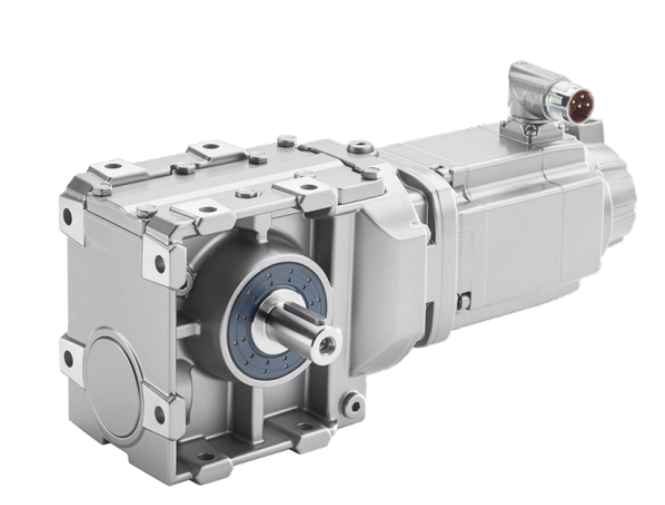
The integration of high-performance alloys and surface treatments has begun to redefine how we measure longevity in gear units. Nano-structured coatings and advanced case-hardening steels are no longer experimental—they are actively displacing conventional materials in heavy-load applications. This shift is not merely incremental; it represents a fundamental leap, allowing gearboxes to operate reliably under extreme pressures and temperatures that were once considered prohibitive. The result is a new benchmark where component life is measured in decades rather than years, altering the calculus for maintenance and replacement cycles.
Beyond metals, the adoption of engineered composites and ceramics is quietly transforming internal components. Fiber-reinforced polymers are replacing traditional bronze bushings and wear plates, offering superior friction characteristics and corrosion resistance without the weight penalty. In bearing surfaces, silicon nitride and zirconia ceramics are proving their worth by virtually eliminating micropitting and fretting fatigue. These materials do not simply resist wear—they change the failure modes entirely, shifting the dominant concerns from abrasion and adhesion to design-specific stresses that can be managed through smarter geometry.
What makes this evolution particularly impactful is the convergence of material science with digital simulation. Finite element models now incorporate anisotropic and nonlinear properties of these advanced materials, enabling designers to push units closer to their true limits without overengineering. The feedback loop between field data and material formulation is tightening, giving rise to condition-specific alloys that are tuned for particulate contamination, extreme temperature swings, or shock loading. In this paradigm, durability is no longer a static property but a dynamically optimized characteristic of the entire gear unit ecosystem.
Adaptive Drive Solutions Tailored for Heavy-Duty Manufacturing
Heavy-duty manufacturing environments demand more than off-the-shelf drive systems—they require solutions that actively respond to shifting loads, harsh conditions, and precision-critical operations. Our adaptive drive technology continuously monitors torque, speed, and vibration in real time, automatically tuning output to match the exact demands of each production cycle. This means fewer stalls, reduced wear on mechanical components, and consistent throughput even under irregular operating patterns. By embedding intelligence directly into the drive, we help factories avoid the costly downtime that rigid systems often cause.
Every heavy-duty application comes with its own set of challenges: extreme temperatures, dust, moisture, or 24/7 operation. Adaptive drives from our portfolio are engineered with ruggedized hardware and software that learns from the environment over time. The system can distinguish between normal process variations and early signs of trouble, adjusting parameters proactively—such as modifying ramp-up profiles during a cold start or compensating for belt slippage without operator intervention. This self-optimizing behavior extends asset life and keeps maintenance teams focused on high-value tasks instead of constant manual tweaking.
Integration into existing manufacturing floors isn’t an afterthought—it’s built into the design philosophy. Our adaptive solutions communicate natively with common industrial protocols, allowing them to fit into legacy setups as well as fully modernized plants. Whether you’re running large-scale conveyors, extruders, or stamping presses, the drives harmonize with your current infrastructure while paving the way for future upgrades. Rather than forcing a one-size-fits-all configuration, each unit is configured to the specific mechanical load profile and operational rhythm of your facility, making it less a generic component and more a tailored performance partner.
Energy-Efficient Designs Meeting Global Sustainability Mandates
Buildings account for nearly 40% of global energy-related carbon emissions, pushing architects and engineers to rethink how structures consume resources. The shift isn’t just about adding solar panels or swapping lightbulbs—it’s a fundamental reimagining of form, materials, and systems. Passive design strategies, like optimizing building orientation for natural light and ventilation, are becoming non-negotiables rather than bonuses. These approaches slash operational energy demand before a single mechanical system is installed, aligning with tightening regulations from the EU’s Energy Performance of Buildings Directive to local green codes in cities worldwide.
Materiality plays a quiet but critical role. High-performance glazing, phase-change materials, and bio-based insulation are moving from niche to mainstream, often outperforming their conventional counterparts while sequestering carbon or reducing embodied energy. Adaptive reuse of existing structures is gaining momentum too, transforming old warehouses and office towers into energy-efficient spaces without the hefty footprint of demolition and new construction. It’s a dual win: preserving cultural fabric while meeting climate targets, a balance that rigid mandates alone can’t achieve.
Technology ties it all together, but it’s the invisible intelligence that makes the difference. Smart building systems now learn occupancy patterns, adjusting heating, cooling, and lighting in real time—sometimes shaving 20-30% off energy use without occupants noticing. District energy solutions, where multiple buildings share a centralized efficient plant, are turning sustainability into a collective effort rather than a series of isolated upgrades. These designs don’t just check boxes for compliance; they embrace the spirit of global mandates by creating resilient, low-carbon infrastructure that adapts to future pressures, not just today’s standards.
Smart Diagnostics Minimizing Unplanned Downtime
Every minute of unexpected equipment failure chips away at productivity and profitability. Smart diagnostics act as an early warning system, continuously monitoring machine health through sensors and performance data. By catching subtle anomalies—like a slight increase in vibration or temperature drift—well before they cascade into breakdowns, these systems give maintenance teams a crucial window to intervene. It’s not about replacing human expertise; it’s about amplifying it with real-time insight that turns chaotic, reactive repairs into calm, planned actions.
The real power lies in the shift from guesswork to precision. Instead of tearing apart machinery on a fixed schedule or waiting for obvious failure signs, teams receive targeted alerts that pinpoint the likely culprit and its severity. This allows for thoughtful scheduling of repairs during natural downtimes, without sacrificing output or rushing orders for overnight parts. The result is a smoother operation where maintenance becomes a strategic advantage rather than a fire drill, and the production floor rarely has to brace for the sound of unexpected silence.
Collaborative Engineering Partnerships Accelerating Custom Innovations
True innovation rarely happens in isolation. Our collaborative engineering partnerships are designed to merge your vision with our technical expertise, creating a dynamic environment where custom solutions take shape faster than traditional development models allow. We embed our engineers with your teams, sharing risks and rewards, so every challenge becomes a shared mission rather than a mere transaction.
What sets our approach apart is the seamless integration of diverse skill sets from day one. Whether you're refining an existing product or breaking ground on something entirely new, our joint teams leverage combined knowledge to bypass common pitfalls and shorten iteration cycles. The result is a streamlined path from concept to prototype, with each milestone reinforcing a sense of joint ownership that drives both speed and ingenuity.
Beyond technical acceleration, these partnerships cultivate a culture of continuous learning and adaptability. As your project evolves, our embedded collaboration model ensures that insights from real-world testing are rapidly absorbed into the design, turning feedback into immediate improvements. By aligning our engineering resources with your long-term goals, we help transform ambitious ideas into market-ready realities with a level of precision and agility that off-the-shelf approaches simply cannot match.
FAQ
Siemens reducers utilize advanced engineering and digital integration, allowing for precise control and energy efficiency across various heavy-duty applications.
Many industrial firms integrate Siemens' motor and drive systems with their gearboxes to create smart, interconnected solutions that enhance performance and reduce downtime.
Sectors like automotive manufacturing, renewable energy, and material handling rely on Siemens reducers for robust torque management and seamless automation.
Siemens incorporates IoT sensors and cloud-based analytics into their gearboxes, enabling real-time monitoring, predictive maintenance, and adaptive control strategies.
The Flender gearbox series, now under Siemens, is renowned for high torque density and reliability, particularly in conveyor systems and wind turbines.
By optimizing gear geometry and using efficient motor-drive combinations, Siemens reducers minimize friction losses and can adapt power consumption to actual load requirements.
Siemens is focusing on modular designs, lightweight materials, and seamless integration with digital twins to simulate and optimize gearbox lifecycles before production.
Conclusion
Siemens reducers companies are at the forefront of industrial gearbox innovation, leveraging digital twin technology to simulate, test, and refine gearbox performance before physical prototypes are built. This substantially improves efficiency and reliability while cutting development time. At the same time, the integration of advanced materials—such as high-strength alloys and surface treatments—dramatically enhances durability, allowing gear units to withstand extreme loads and harsh environments. These breakthroughs are paired with adaptive drive solutions that can be tailored to specific heavy-duty manufacturing tasks, ensuring optimal torque and speed control in demanding applications like mining, steel, and cement production.
Energy efficiency is another pillar of this transformation, with Siemens-engineered gearboxes designed to minimize power losses and meet stringent global sustainability mandates, helping industries reduce both carbon footprint and operational costs. Furthermore, smart diagnostics powered by IoT sensors and analytics enable condition monitoring and predictive maintenance, virtually eliminating unplanned downtime. This technological ecosystem is strengthened by collaborative engineering partnerships that bring together Siemens experts and customers to co-create custom gearbox solutions rapidly. Collectively, these efforts are setting new benchmarks for performance, sustainability, and intelligence in the industrial gearbox sector.
Contact Us
Contact Person: Jenny Jaa
Email: [email protected]
Tel/WhatsApp: 0086 152 9510 6006
Website: https://www.china-motor-supplier.com