Shredder Machine Manufacturing: Innovations and Best Practices for Efficient Production
2026-05-19
Behind every smoothly running recycling plant or manufacturing facility lies a critical piece of equipment — the shredder machine. Yet not all shredders are created equal, and the difference often comes down to the innovations and best practices driving their production. From precision engineering to smart automation, modern manufacturing methods are redefining what these machines can achieve. At the heart of this shift is Shengzhong Shredder, a name pushing boundaries in efficiency and durability. So what really separates a high-performance shredder from the rest, and how can the right manufacturing approach transform your operation? Let’s take a closer look.
Rethinking Blade Materials for Longer Life
The obsession with ever-keener edges often overshadows a quieter truth: how long a blade stays sharp matters just as much as its initial bite. Traditional high-carbon steels, revered for their crisp sharpening response, surrender that edge readily under hard use—micro-chipping and edge rolling are the silent thieves of performance. A fresh look at material science shifts the focus from sheer hardness to a more nuanced blend of toughness, grain structure, and corrosion resistance. Powder metallurgy steels, with their fine, evenly distributed carbides, can reshape expectations, offering edge retention that feels almost unfair compared to their conventionally forged counterparts.
Beyond steel, the conversation opens to materials once dismissed as niche or too brittle. Advanced ceramics, for instance, now occupy a compelling middle ground—infused with reinforcements that mute their catastrophic failure modes, they can deliver wear resistance orders of magnitude beyond metal blades. Even diamond-like carbon coatings, applied not as a marketing gimmick but as a precision atomic layer, transform the economics of blade life by slashing friction and preventing the micro-welds that dull edges at a microscopic scale. The real innovation lies in hybrid approaches: a tough, shock-absorbing core laminated within an ultra-hard shell, or a gradient structure where material properties shift seamlessly from spine to edge.
Rethinking blade longevity also means challenging the culture of disposability. When materials are chosen with end-of-life in mind—fully reclaimable tool steels or mono-material designs that simplify recycling—the user gains not just a longer-lasting tool but a quieter conscience. A blade that stays sharp for months instead of days, resharpens without losing geometry, and eventually returns to the material stream without contaminating it; this is the promise when we stop asking our edges to be merely sharp, and start demanding they be intelligently enduring.
The Rise of Automated Production Lines
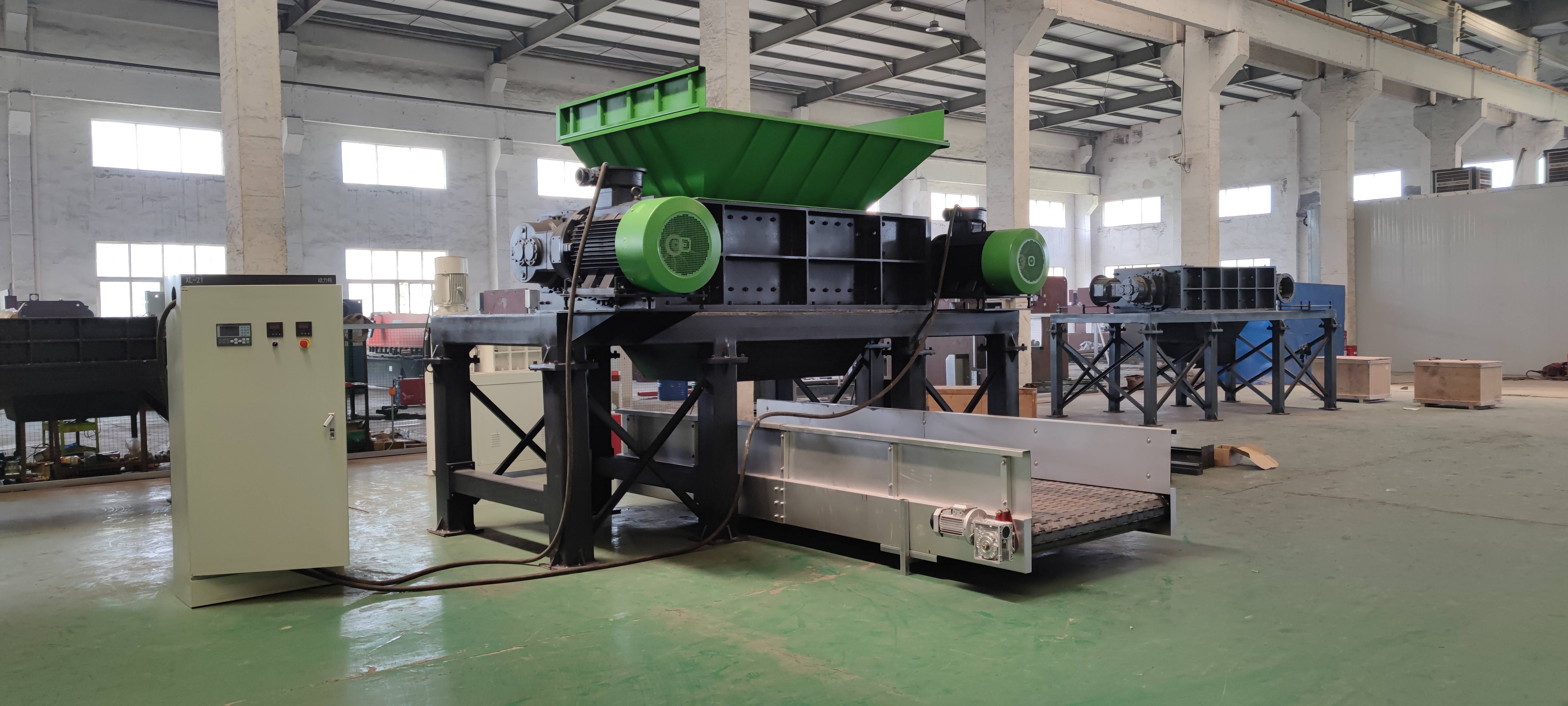
Automated production lines have quietly reshaped the way goods are made, turning once labor-intensive floors into orchestrated sequences of robotic precision. What began as simple conveyor belts and mechanical arms has evolved into self-regulating systems that monitor quality, adjust speeds, and even predict maintenance needs before a breakdown occurs. This shift wasn’t an overnight revolution but a steady climb, driven by the need to cut costs, reduce errors, and keep up with demand that manual labor alone couldn’t satisfy.
Behind the scenes, sensors and software do the heavy lifting of coordination. A single line might involve dozens of machines that communicate in real time, sharing data about temperature, pressure, and alignment. When something drifts out of tolerance, the system doesn’t just sound an alarm—it often corrects itself, rerouting parts or recalibrating tools without stopping the flow. This kind of responsiveness wasn’t possible a generation ago, and it has allowed factories to run longer hours with fewer interruptions, making the production floor feel less like a workshop and more like a living organism.
The impact goes beyond speed and efficiency. With greater consistency, manufacturers can experiment with materials and designs that would have been too tricky to handle by hand. Small-batch customization, once a costly niche, is increasingly viable because automated systems can switch tasks quickly. Meanwhile, the role of workers has shifted from repetitive motion to oversight and troubleshooting, demanding a different set of skills. The line itself hasn’t eliminated human judgment—it’s just moved it to a different spot in the process.
Energy-Saving Designs That Deliver
Cutting energy waste isn't about flashy gadgets or complex systems—it's about smart, seamless integration that you barely notice. The best designs work quietly in the background, like motion-activated lights that dim when natural sunlight fills the room, or thermostats that learn your routine and adjust without a single button press. These small, thoughtful touches add up, trimming your bills while keeping comfort front and center.
Materials matter just as much as mechanics. Think triple-glazed windows that trap heat without blocking the view, or insulation derived from recycled denim that outperforms traditional fiberglass—while being kinder to the planet. Even the layout of a room can be a silent partner: open floor plans let warmth flow freely, reducing the need for constant heating, while strategic overhangs shade summer sun but welcome winter light.
What truly sets these designs apart is they don't ask you to compromise. You get a home that adapts to the seasons, appliances that sip power only when needed, and a space that feels effortlessly livable. The technology fades into the background, leaving you with a lighter environmental footprint and a more responsive, comfortable environment. That's the quiet power of design that actually delivers.
Predictive Maintenance in Practice
In a bottling plant, vibration sensors on conveyor motors feed data into a model that learned normal patterns from years of operation. When a subtle frequency shift appeared—too faint for maintenance crews to hear—the system flagged it three weeks before a bearing seizure would have halted production. The repair was scheduled during a planned downtime, saving thousands in rush parts and lost output.
Not every success story starts with a perfect data pipeline. A chemical manufacturer found their sensor readings were often misaligned due to retrofitted equipment and varying batch schedules. Instead of waiting for a cleanup project, they began with simple run-hour counters and manual inspection logs, triggering alerts when a pump exceeded its mean time between failures by a margin. Within six months, that low-tech baseline prevented two unplanned shutdowns and gave engineers clean benchmarks for more advanced models.
The shift from reactive to predictive often happens department by department, not company-wide. One automotive supplier began by targeting their oldest CNC machines—the ones most likely to fail and hardest to replace. By installing current sensors and a basic anomaly detection script on just six machines, they cut downtime by 40% in that cell. The lesson spread organically: teams with older equipment asked to join the pilot, not because of a mandate, but because they saw the data boards in the break room.
Custom Solutions for Specialized Waste
Every industry generates its own distinct waste stream, from chemical byproducts in manufacturing to sensitive materials in healthcare. Off-the-shelf disposal methods rarely address the complex handling, transportation, and treatment requirements these materials demand. Custom solutions step in to bridge the gap, ensuring that waste is managed not just compliantly, but with an understanding of its origin and potential impact. This approach moves beyond one-size-fits-all, tailoring processes to the precise characteristics of the waste, whether it’s reactive, infectious, or simply difficult to process using standard routes.
Developing these tailored systems often starts with a deep dive into your operation—analysing volume, composition, and the operational constraints of your site. The goal is to design a protocol that integrates seamlessly, often incorporating on-site pre-treatment, specialized containment, or dedicated transport logistics. For example, a research lab dealing with novel compounds might need a closed-loop destruction system, while a large-scale agricultural facility could benefit from a conversion process that turns waste into energy. The result isn’t just safe disposal; it’s a solution that can enhance efficiency, reduce long-term costs, and even recover resources that would otherwise be lost.
The real value emerges when these solutions are built with flexibility in mind—scalable to adjust to your changing output and regulatory landscape. Rather than forcing your waste to fit an existing mould, the service adapts to you, often with ongoing support and monitoring. This partnership approach means you’re not just a customer but a collaborator in refining the process over time. For businesses dealing with highly specialized or hazardous waste, that level of attention transforms a routine obligation into a strategic advantage, creating a cleaner, safer operation that stands up to scrutiny from regulators and the communities you serve.
Staying Ahead of Safety Standards
In an era where regulations evolve rapidly and consumer expectations are higher than ever, staying ahead of safety standards isn't just about compliance—it's about leadership. Companies that treat safety as a dynamic, living process rather than a static checklist set themselves apart. By proactively adapting to emerging risks, investing in advanced training, and embracing a culture where every team member feels responsible for safety, organizations can turn a regulatory obligation into a competitive advantage. This forward-thinking approach not only prevents costly incidents but also builds trust with clients and partners who increasingly prioritize working with safety-conscious collaborators.
One of the most effective ways to stay ahead is to look beyond the minimum requirements set by governing bodies. Best-in-class safety performers often adopt frameworks from related industries, incorporate insights from near-miss analyses, and regularly audit their processes against international benchmarks. They understand that yesterday's best practice may be today's baseline, so they actively participate in industry groups, contribute to the development of new standards, and monitor global trends—from technological disruptions to shifts in workforce demographics. This holistic vigilance ensures that when regulatory changes arrive, they are already prepared, or even ahead of the curve.
Ultimately, staying ahead of safety standards transforms a reactive compliance mindset into a proactive risk management philosophy. It reduces downtime, lowers insurance costs, and enhances brand reputation. More importantly, it creates an environment where employees return home safely each day, and where innovation can flourish without being stifled by preventable failures. In a world where safety is increasingly a pillar of sustainability and social responsibility, those who lead the way will define the future of their industries.
FAQ
The integration of IoT sensors for real-time monitoring and predictive maintenance has been a game-changer. Laser cutting and robotic welding have also boosted precision while slashing production times.
High-grade alloy steels with heat-treated cutting blades resist wear far better than standard carbon steel. Some manufacturers now use carbide-tipped blades for extreme applications, extending service intervals significantly.
Absolutely. By standardizing components like drive systems and cutter assemblies, factories can swap parts between models and reduce assembly time by up to 30%, all while maintaining consistency.
Automated guided vehicles move heavy parts without manual intervention, and CNC machining centers run lights-out operations. This cuts labor costs and cycle times drastically, especially for high-volume orders.
Beyond emergency stops, automatic rotor braking with electronic sensors prevents coast-down hazards. Dust explosion prevention systems are also critical but often skimped on until regulations force the issue.
By specializing in niche applications like medical waste or e-scrap shredders. Agile manufacturing cells and in-house testing labs let them iterate faster on custom solutions without massive capital outlays.
Daily blade clearance checks and vibration analysis catch misalignments early. Many plants now track wear via cloud-based dashboards, scheduling downtime before parts fail and disrupting output.
Conclusion
Innovations in shredder manufacturing are reshaping how industries handle waste, with a strong focus on extending blade life and streamlining operations. Advanced blade materials, such as tool steel alloys with tungsten carbide coatings, now resist wear from abrasive materials far longer than conventional options. At the same time, automated production lines have become the backbone of modern facilities, integrating robotics and real-time sensors to adjust feed rates and blade clearances without human intervention. This not only boosts throughput but also reduces the risk of overload. Energy-saving designs further complement these advances—variable frequency drives and optimized cutting chamber geometries trim power consumption significantly, sometimes by 30% or more, while maintaining aggressive reduction ratios.
On the maintenance and customization front, predictive techniques are gaining traction. By harnessing vibration analysis and temperature monitoring, operators can forecast blade dulling and component fatigue, scheduling upkeep precisely when needed—not after a breakdown. This approach dovetails with the growing demand for tailored solutions: from handling medical waste that demands enclosed, sterilizing systems to e-waste requiring specific particle sizes for recycling. Custom configurations now encompass multi-stage cutting and specialized hoppers. Underpinning all these advancements is a proactive stance on safety, with manufacturers embedding fail-safe braking, automatic lockouts, and rigorous testing that often exceeds regulatory mandates. Together, these practices form a blueprint for efficient, reliable, and sustainable production.
Contact Us
Contact Person: Leon
Email: [email protected]
Tel/WhatsApp: 8615385558866
Website: https://www.shred-waste.com