Plastic Lumber Machine Company What to Look for in Durable Extrusion Equipment
2026-09-14
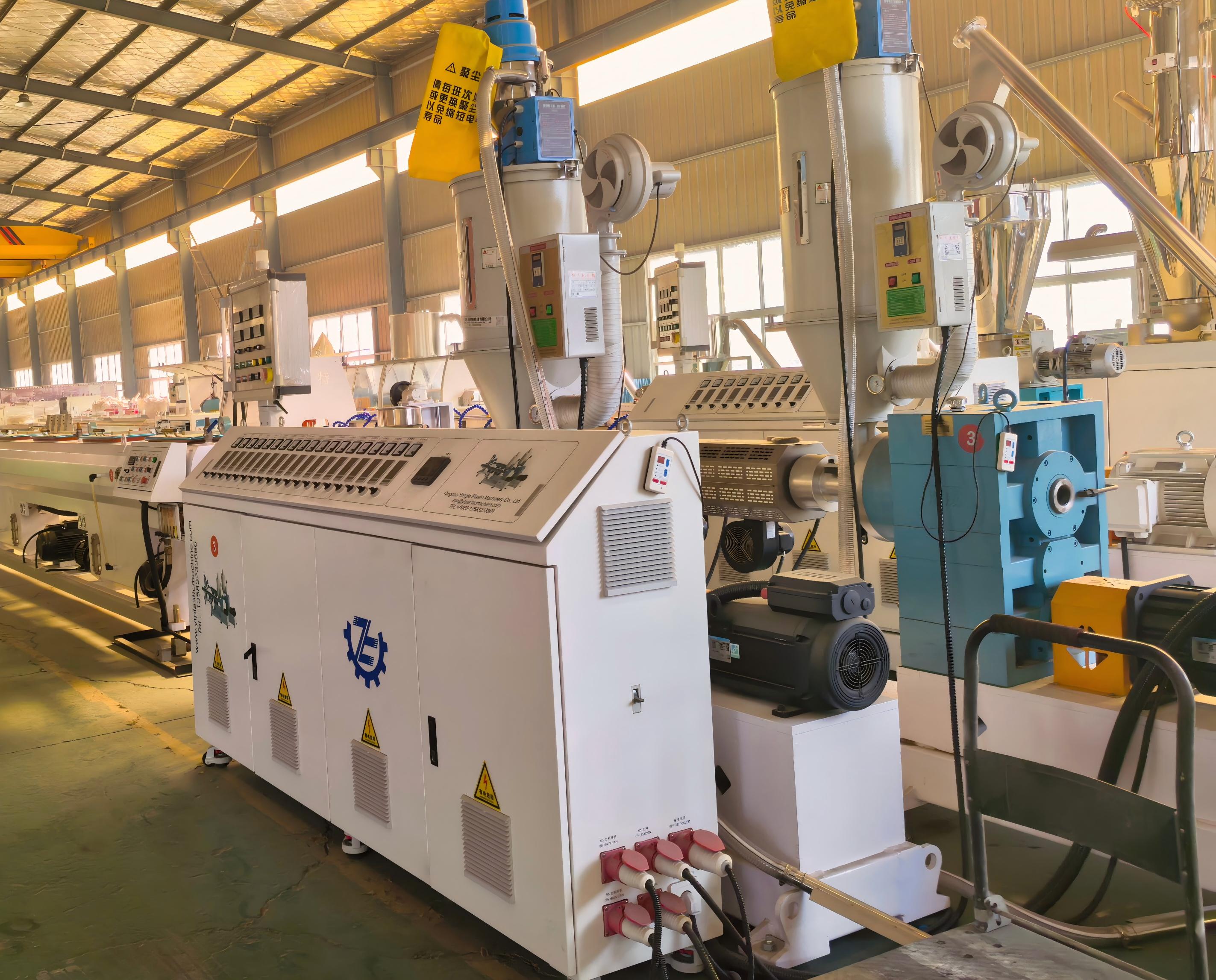
So you're in the market for a plastic lumber machine, and you've likely discovered that durability isn't just a nice-to-have—it's the whole game. With extrusion equipment, the difference between a decade of reliable output and constant downtime often comes down to details most buyers overlook. Companies like Yongte have learned that the hard way, and their machines reflect a no-nonsense approach to heavy-duty construction. In this guide, we'll walk through what actually separates a workhorse extruder from one that just looks tough on paper, so you can avoid the costly mistakes that plague so many first-time buyers.
Screw and Barrel Alloys That Handle Ground-Up Waste Without Failing Early
Standard nitrided steel works fine for virgin pellets, but ground-up waste brings a different kind of punishment. Recycled streams carry abrasive grit, residual metals, and unpredictable fillers that chew through a nitrided layer in weeks. Once the case depth is gone, the softer core underneath erodes rapidly, opening up clearance gaps and killing melt quality. The failure isn't sudden—it's a slow bleed of output rate and pressure stability that most operators notice too late.
The real fix lies in alloys designed for abrasion resistance first, corrosion resistance second. Bimetallic barrels with a high-chromium or nickel-based alloy lining, often applied via centrifugal casting, survive far longer. Pair those with screws hardfaced using tungsten carbide or a cobalt-based overlay on the flight lands. The key is matching the alloy pair to the specific waste stream: heavily printed film needs more corrosion resistance, while glass-filled regrind demands extreme hardness. Off-the-shelf “wear-resistant” packages rarely address both.
Beyond alloy choice, geometry plays a supporting role. A slightly deeper root in the feed section and a longer compression zone distribute stress more evenly, preventing localized wear hotspots. And don't ignore barrel straightness after a few thousand hours—even the best alloy can't compensate for a bent screw or a misaligned drive. The processors getting the longest life out of their screws and barrels are those who track wear patterns like a maintenance log, not an afterthought.
Drive Train Components Rated for Torque Spikes, Not Just Continuous Load
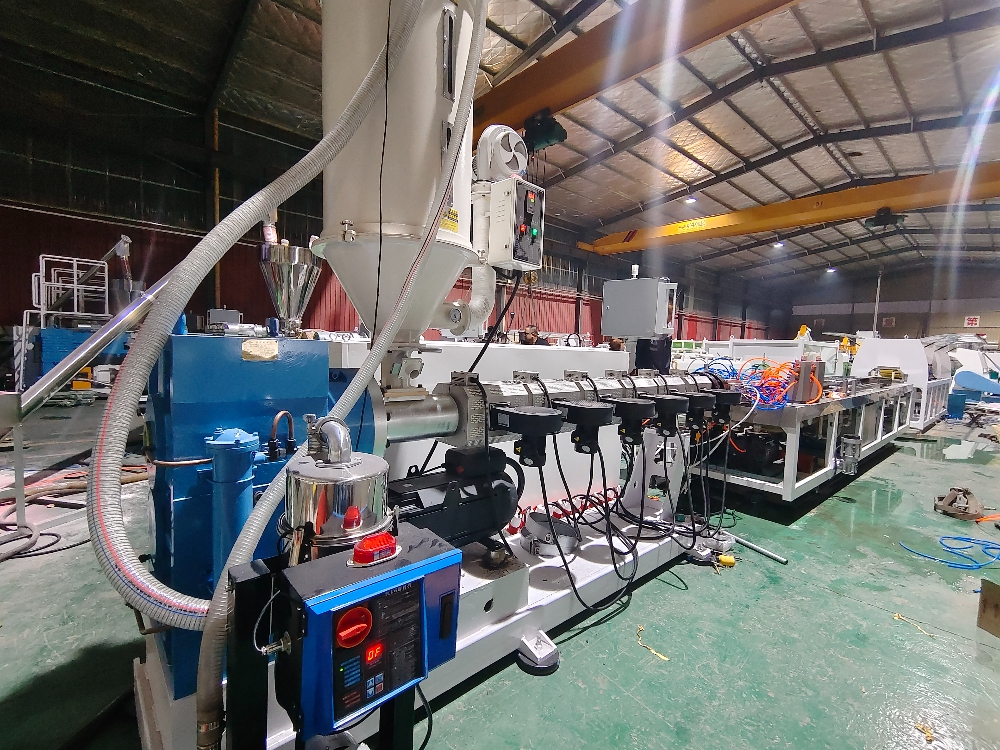
Most drive train catalogs lead with a steady-state torque number, but the number that actually keeps a machine alive is the spike it shrugs off when a wheel catches a ledge or a PTO engages under load. A gear set sized for continuous power can still shed teeth if a shock load hits two or three times nominal. Torque spikes come from clutch dumps, driveline wind-up, sudden reversals, or hydraulic pressure spikes feeding a motor. Continuous ratings are a starting point, not a survival guide.
It isn't just the peak value that matters. A spike's rise time and how often it repeats drive fatigue damage. A component that survives one big hit may crack after a few hundred smaller ones if the material wasn't chosen with impact toughness in mind. That's why heavy-duty applications often specify through-hardened or case-hardened shafts, shot-peened gears, and couplings with some torsional give. These choices buy headroom against transient overloads, not just heat buildup at rated torque.
Ignoring spikes leads to failures that look mysterious in teardown: fractured splines, brinelled bearing races, sheared keys. A designer who rates components only for continuous load ends up chasing those failures after the fact. The better approach is to map the worst-case dynamic load path before selecting parts, then choose components with a published shock factor or at least a proven margin above the highest expected spike. That way the drivetrain lives through the messy moments, not just the smooth ones.
Why Independent Barrel Heating Zones Beat Single-Zone Shortcuts
When you rely on a single heating element stretched across the entire barrel, you're essentially guessing at what's happening inside each section. Plastics don't melt uniformly—the feed zone needs aggressive heat to start the transition, while the metering zone wants precise control to avoid degrading the melt. A single-zone shortcut forces you to compromise, often running the whole barrel hotter than necessary just to keep the front end fluid. That extra heat cooks the material, creates black specks, and shortens screw life. Independent zones solve this by letting each segment do its own job without dragging the others along.
The real advantage shows up when you're switching materials or tweaking cycle times. With separate barrel zones, you can push the rear zone harder to speed up melting while keeping the front zone cooler to preserve additive packages or color concentrates. Try that with a single-zone setup and you'll either starve the screw or overheat the nozzle—there's no middle ground. It's the difference between driving a car with one pedal that controls both gas and brake, versus having separate controls for each wheel. You don't realize how much you've been fighting the machine until you get independent control.
Some processors argue single-zone saves money on heaters and wiring, but that's short-term thinking. The scrap rate from inconsistent melt temps, the downtime from screw pulls to clean carbonized resin, and the rejected parts from streaking or burning all add up fast. Independent zones pay for themselves in the first few material changeovers. More importantly, they give you a repeatable process window—set the rear at 420°F, middle at 400°F, front at 380°F, and you'll hit the same melt quality every shift. With a single-zone band-aid, you're always chasing the temperature, and your operators end up turning dials based on feel rather than data.
Screen Changer Access That Cuts Changeover Time to Minutes
The screen changer access on this line is built around a swing-open carriage that brings the breaker plate and screen pack within arm's reach. Instead of crawling under the barrel or removing downstream adapters, an operator releases two locking bolts and pivots the assembly clear. That single motion exposes the screen cavity without disturbing melt flow alignment.
Changeover itself drops to minutes because the dirty screen lifts out with a flat-blade tool, and a preloaded replacement slides straight into a machined pocket. There is no guesswork about seating depth or seal pressure; the clamp plate closes against fixed stops and the hydraulic lock re-engages at the same torque every time. Repeated runs hold the same backpressure curve, so the line does not need a fresh start-up ramp.
What makes the access different is that it is located on the operator side and angled slightly downward. Polymer drips fall into a removable catch tray rather than onto wiring or floor gratings. That keeps the area clean enough to work in without pausing for a full purge, which is often where traditional changeovers lose half an hour before the first new screen goes in.
Weld-Free Frame Joints That Stop Misalignment Before It Starts
Traditional welded frames often carry hidden distortions from the heat of the weld itself—subtle warps that only show up when two halves refuse to line up on the assembly floor. By removing the weld entirely, these joints eliminate that variable. Each connection is machined or cast to interlock with a precision fit, so alignment is built into the geometry rather than corrected after the fact.
What makes the approach stand out is the use of positive mechanical engagement: interlocking tabs, tapered keys, or bolted flanges that pull components into their intended position as they’re tightened. There’s no guesswork with shims or field adjustments. The joint either fits correctly or it doesn’t, and when it does, the frame is square and true by design.
For teams tired of chasing millimeter-level drift across long production runs, this shift means fewer rework stations and less downtime. Because the connection doesn’t rely on heat or filler metal, repeatability stays consistent from the first frame to the thousandth. Misalignment never gets a chance to begin.
Control Panels Designed for Gloved Hands and Low-Light Plants
On the factory floor where latex or nitrile gloves are mandatory, fine motor control drops sharply. Buttons sized under 20 mm force workers to pinch or use fingernails, which tears gloves and slows response. The current panel design moves to oversized, dome-shaped actuators with a minimum 30 mm strike face and 3 mm travel, so a gloved palm heel can register a command without repositioning. Spacing between controls keeps accidental dual presses rare even when visibility is poor.
Low-light plants often combine overhead shadows, steam, and dust with aging eyes. Rather than relying on small LED indicators, these panels use high-contrast, backlit legends etched into a matte polycarbonate surface. Green means running, red means stopped, and amber pulses for attention—colors that remain distinct under sodium-vapor lamps. Critical emergency stops get a raised, yellow shroud around the button, so a hand can find it by touch before the eyes locate it.
The enclosure itself avoids glossy finishes that turn into mirrors under task lighting. A lightly textured face diffuses glare and hides glove smudges. Labels sit at a 15-degree downward angle from the operator's line of sight, reducing neck strain during twelve-hour shifts. Field tests in a Midwest canning plant cut acknowledgment time from four seconds to under two when operators wore double-layer thermal gloves.
FAQ
Focus on the frame and barrel. Look for thick, stress-relieved steel rather than lightweight fabricated frames. Check whether the gearbox is oversized for the screw diameter—many cheaper machines pair a marginal gearbox that fails under backpressure from wood-filled compounds.
A single-stage screw with a deeper feed section and a gentle compression ratio tends to handle contaminated or mixed plastics better than aggressive barrier designs. For wood-plastic composites, you need a screw that can run at lower RPM without burning the wood flour, so ask for a vented barrel and a vacuum pump sized for moisture removal.
Yes. Pull the die and look at the screw flights for rounding near the feed throat. Check the barrel liner thickness with an ultrasonic gauge if possible. Also inspect the screen changer slide plates—grooves there indicate poor maintenance and will cause leaking under pressure.
It is one of the biggest predictors of consistent board density. You want at least four independently controlled zones with PID loops, not simple on-off heaters. For plastic lumber, a sudden 10-degree swing can cause warpage in the final profile, so insist on air-cooled cast aluminum heaters and separate thermocouples for each zone.
Ask for a list of three customers running the same material you plan to run, then call them. Also ask whether the supplier stocks wear parts locally or ships from overseas. A good sign is if they offer a commissioning technician who stays until your first full shift runs at spec.
For plastic lumber, oversizing the drive and screw from day one is usually cheaper than retrofitting. A machine rated for 500 kg/hour but run at 350 kg/hour will last far longer than a 350 kg/hour machine maxed out. The only exception is if you plan to run short custom runs—then a modular design with replaceable screw segments makes more sense.
The non-negotiable items are daily purge with a purging compound when switching from WPC to straight HDPE, weekly check of vacuum pump oil, and monthly alignment of the downstream puller. Many operators forget the puller: a misaligned puller can crack the profile or wear the die unevenly.
Avoid proprietary touchscreen systems that lock you into one integrator. Look for a PLC from a major brand, with the HMI program backed up on a USB stick you keep in the office. If the supplier will not share the ladder logic, walk away—you will be hostage to their service rates for every minor change.
Conclusion
When a plastic lumber operation runs dirty, inconsistent regrind through the extruder day after day, the screw and barrel become the first point of failure. Look for alloys that resist both abrasive wear from ground-up waste and the acidic gases some mixed plastics release. If the metallurgy is chosen only for a clean virgin pellet, you will be swapping screws within months. Equally important is the drive train: torque spikes happen whenever a dense chunk of regrind hits the screw, so gearboxes and motors need a safety margin well above the continuous load rating. A machine sized exactly to nominal throughput will tear itself apart under real plant conditions.
Barrel heating is another area where shortcuts show up fast. Independent heating zones let you run cooler at the feed throat to avoid bridging and hotter near the metering section for stable melt, something a single-zone barrel simply cannot do. Screen changer access matters more than most buyers expect; if the changer is buried behind guards or requires special tools, a five-minute screen swap becomes a half-hour shutdown. Also check the frame joints. Weld-free, bolted or keyed connections keep the barrel and gearbox aligned over years of thermal cycling, preventing premature screw wear. Finally, the control panel should be usable with gloved hands in low light: large tactile buttons, high-contrast labels, and no touchscreen-only menus that force operators to remove PPE. These details separate equipment that survives from machines that become maintenance burdens.
Contact Us
Contact Person: Ms Qin
Email: [email protected]
Tel/WhatsApp: 8613583233866
Website: https://www.yongteplast.com