Optimizing Manufacturing Processes: Key Insights into Grain Oriented Electrical Steel Production
2026-04-17
Have you ever wondered how the intricate production of grain oriented electrical steel shapes our modern electrical infrastructure? Optimizing these manufacturing processes is not just a technical challenge; it's the key to enhancing efficiency and sustainability in power distribution. In this blog, we delve into the essential insights and innovations driving this field forward. As leaders in advanced materials, Jiangsu Baowu New Materials is at the forefront of pioneering solutions that refine every aspect of production. Join us to uncover the cutting-edge strategies that can transform your approach to electrical steel manufacturing, offering fresh perspectives and practical tips to stay ahead in a competitive market. Let's explore how small tweaks can lead to significant breakthroughs.
Introduction to Grain Oriented Electrical Steel
Have you ever wondered what makes large transformers so efficient at handling electricity? The secret often lies in a specialized material known as grain oriented electrical steel. This steel isn't your average sheet metal; it's meticulously engineered to have a distinct crystalline structure that aligns its grains along the rolling direction. This alignment is crucial because it significantly reduces energy losses when the material is subjected to alternating magnetic fields, which is exactly what happens during power transmission. As a result, transformers and other electrical equipment made with this steel operate more quietly, cooler, and with less wasted energy, making it a cornerstone in modern electrical infrastructure.
What sets grain oriented electrical steel apart from its non-oriented counterparts is its targeted application in devices where magnetic flux flows predominantly in one direction. The manufacturing process involves carefully controlled rolling and heat treatments, which encourage the iron crystals to orient themselves with their easy magnetization axis parallel to the direction of the sheet. This isn't just a minor tweak; it boosts magnetic permeability in that specific direction while minimizing it elsewhere, leading to impressive efficiency gains. In practice, this means that power grids can transmit electricity over long distances with minimal losses, and transformers can be designed more compactly without sacrificing performance, a key advantage in today's space-constrained urban environments.
Beyond its technical merits, grain oriented electrical steel plays a vital role in sustainability efforts. By reducing energy dissipation in electrical systems, it helps cut down on greenhouse gas emissions associated with power generation. Innovations in this field continue to push boundaries, with researchers exploring thinner gauges and improved coatings to enhance performance further. Whether in massive grid transformers or smaller distribution units, this material remains indispensable for ensuring reliable and efficient electricity supply, quietly powering our world from the background.
Raw Material Selection and Preparation Techniques
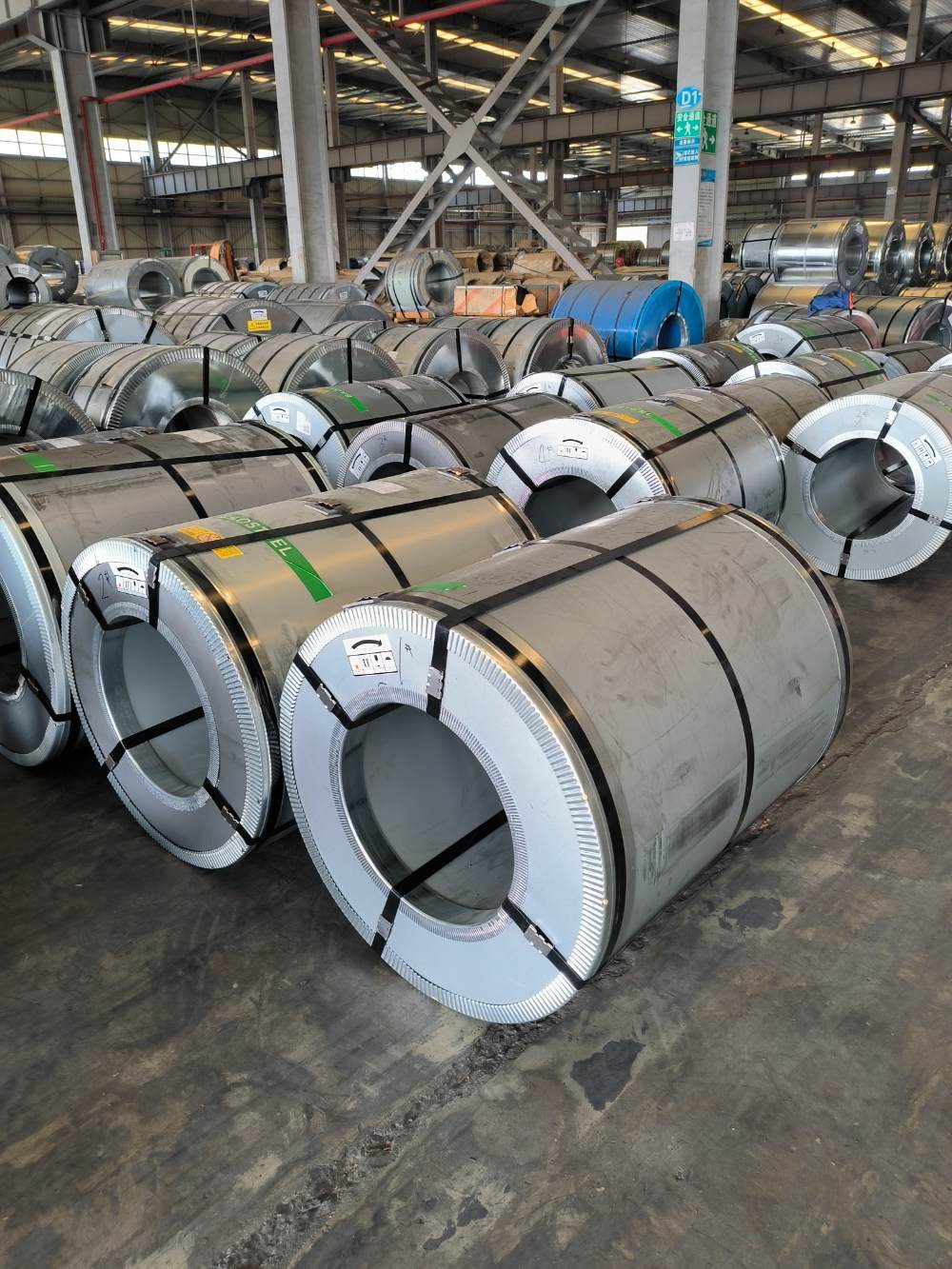
When it comes to sourcing materials, the initial step often involves a thorough assessment of natural resources and their properties. For example, selecting wood for furniture requires considering factors like grain patterns, durability, and sustainability from certified forests. Artisans might handpick specific types of clay for pottery, testing its plasticity and firing characteristics to ensure it can withstand the kiln without cracking. This careful curation isn't just about aesthetics; it's about matching materials to their intended use, balancing cost and quality while supporting ethical supply chains that prioritize environmental responsibility.
Once materials are chosen, preparation becomes a nuanced art that varies by industry. In textile production, raw fibers such as cotton or wool undergo processes like carding and spinning to align them for weaving or knitting, often enhanced by traditional techniques that preserve natural textures. For food ingredients, preparation might include cleaning, cutting, or fermenting to develop flavors and improve digestibility, with methods passed down through generations to maintain authenticity. These steps are crucial for transforming raw elements into workable forms, often requiring specialized tools or controlled environments to achieve consistency and enhance performance in the final product.
Innovation in preparation techniques continues to evolve, blending old and new methods to meet modern demands. Advanced machinery now complements manual skills, allowing for precise measurements and faster processing without compromising on craftsmanship. For instance, in metalworking, automated cutting systems can shape alloys with greater accuracy, while artisans still apply hand-finishing touches to ensure a unique finish. This synergy between tradition and technology helps streamline production, reduce waste, and enable customization, ensuring that prepared materials not only function well but also carry a distinct character that sets them apart in competitive markets.
Advanced Manufacturing Steps and Innovations
In today's fast-paced industrial landscape, advanced manufacturing steps have become the cornerstone of efficiency and quality. Companies are increasingly integrating smart sensors and robotics into production lines, allowing real-time monitoring and automated adjustments. This shift reduces human error and accelerates throughput, making processes more resilient to disruptions. Innovations like additive manufacturing, or 3D printing, enable the creation of complex geometries that were once impossible, opening doors to customised products and rapid prototyping. By embracing these technologies, manufacturers can cut costs and shorten lead times, staying competitive in a global market.
Another key innovation is the adoption of digital twins, which create virtual replicas of physical systems to simulate and optimise operations. This tool helps predict maintenance needs and test new designs before implementation, minimising downtime and resource waste. Coupled with artificial intelligence, these systems analyse vast datasets to fine-tune production parameters, enhancing precision and sustainability. For instance, in automotive manufacturing, digital twins streamline assembly lines and improve fuel efficiency in final products. These advancements not only boost productivity but also foster a greener approach by reducing material usage and energy consumption.
Looking ahead, the convergence of the Internet of Things (IoT) and cloud computing is reshaping how factories communicate and adapt. IoT devices collect data from every stage of the supply chain, feeding into cloud platforms for collaborative analysis. This connectivity supports agile responses to market changes, such as adjusting inventory levels or reconfiguring machines on the fly. Innovations in materials science, like lightweight composites and smart polymers, further push boundaries by offering durable, adaptable components. As these steps evolve, they empower industries to deliver higher-value goods and services, ultimately driving economic growth and technological progress.
Quality Control and Performance Testing
Effective quality control and performance testing are fundamental to delivering products that meet user expectations and industry standards. This process involves rigorous checks at every stage of development, from initial design to final deployment, ensuring that any defects or inefficiencies are identified and addressed promptly. By implementing systematic testing protocols, teams can reduce the risk of costly errors and enhance overall product reliability.
Performance testing goes beyond basic functionality, focusing on how a product behaves under various conditions, such as high traffic or limited resources. It includes load testing, stress testing, and scalability assessments, which help pinpoint bottlenecks and optimize response times. This proactive approach not only improves user experience but also builds trust by demonstrating a commitment to stability and efficiency.
Integrating quality control with performance testing creates a holistic framework that drives continuous improvement. Through regular reviews and feedback loops, organizations can adapt to evolving requirements and technologies, fostering innovation while maintaining high standards. Emphasizing this integration ensures that products not only work correctly but also perform optimally in real-world scenarios, setting them apart in competitive markets.
Applications in Electrical Equipment
In modern electrical equipment, semiconductors stand out for their versatility and efficiency, seamlessly integrating into everything from household appliances to industrial machinery. Think about your everyday coffee maker or air conditioner—these devices rely on semiconductors to manage power flow, ensuring smooth operation while conserving energy. This adaptability allows manufacturers to design smarter, more reliable products that enhance user experience without compromising on performance. It's not just about making things work; it's about making them work better, with a focus on durability and ease of use that resonates with both consumers and engineers.
Beyond consumer goods, semiconductors are pivotal in high-stakes applications like medical devices and automotive systems, where precision and safety are non-negotiable. For instance, in electric vehicles, they control battery management and motor drives, enabling faster charging and longer ranges. This isn't just incremental improvement; it's a transformative shift that pushes the boundaries of what electrical equipment can achieve. By optimizing thermal management and reducing electromagnetic interference, semiconductors help create safer, more resilient systems that meet stringent regulatory standards while driving innovation forward.
Looking ahead, the role of semiconductors in electrical equipment is evolving to address emerging challenges like sustainability and connectivity. Innovations are leading to more compact, energy-efficient designs that minimize waste and lower operational costs. Whether it's in smart grids that balance power loads dynamically or IoT devices that communicate seamlessly, these components are at the heart of a connected, eco-friendly future. This ongoing development highlights their critical contribution to building not just functional, but intelligent and responsive technologies that shape our daily lives and industries.
Future Trends and Sustainability Efforts
As industries worldwide continue to evolve, a major shift is emerging toward integrating sustainability into core business strategies. This isn't just a buzzword anymore; it's becoming a driving force for innovation and competitive advantage. Companies are increasingly prioritizing eco-friendly practices, from reducing carbon footprints to embracing circular economy models, aiming to meet both environmental goals and consumer expectations for greener products. This movement reflects a broader recognition that long-term success hinges on aligning with global sustainability targets, such as the United Nations' Sustainable Development Goals, which encourage responsible resource use and social equity.
Looking ahead, technological advancements are expected to play a pivotal role in enhancing these sustainability efforts. Innovations like artificial intelligence and the Internet of Things (IoT) are being leveraged to optimize energy consumption, monitor environmental impacts in real-time, and develop smarter, more efficient supply chains. For instance, AI can predict maintenance needs in renewable energy systems, reducing downtime and increasing reliability. These tools not only support cost savings but also enable more precise tracking of sustainability metrics, allowing organizations to transparently report progress and adapt strategies based on data-driven insights.
In the coming years, consumer influence and regulatory pressures are likely to accelerate this trend, pushing for greater accountability and action. More businesses may adopt robust sustainability frameworks, such as ESG (Environmental, Social, and Governance) criteria, to attract investors and build trust with stakeholders. By fostering a culture of continuous improvement and collaboration across sectors, the focus on sustainability could lead to transformative changes—ensuring that growth and environmental stewardship go hand in hand for a resilient future.
FAQ
Grain oriented electrical steel has a specific crystal structure aligned in the rolling direction, which enhances magnetic properties and reduces core losses, unlike non-oriented types with random grain orientations.
Optimized production, including precise annealing and cooling, refines the steel's grain structure, boosting permeability and cutting energy losses, leading to more efficient transformer cores.
Key challenges include controlling grain alignment and minimizing impurities; solutions involve advanced cold rolling techniques and stringent quality checks to ensure consistency and performance.
Innovations like energy-efficient annealing furnaces and recycling scrap materials lower energy consumption and waste, making the process more sustainable and eco-friendly.
A carefully balanced composition, with elements like silicon and aluminum, optimizes magnetic characteristics and electrical resistivity, crucial for high-performance applications in power grids.
Through rigorous testing, such as magnetic flux density measurements and automated inspection systems, coupled with standardized production protocols to maintain uniform quality.
Conclusion
Grain oriented electrical steel production represents a sophisticated manufacturing endeavor where optimization hinges on meticulous raw material selection and innovative processing techniques. By carefully choosing high-purity iron with precise silicon content and employing advanced preparation methods, manufacturers lay the foundation for superior magnetic properties. The introduction of continuous casting and specialized rolling processes further refines the grain structure, enhancing core loss efficiency. These steps, combined with rigorous quality control through performance testing, ensure the steel meets stringent standards for applications in transformers and motors, where energy efficiency is paramount.
Looking ahead, future trends in grain oriented electrical steel production emphasize sustainability and technological advancement. Innovations such as thinner gauges and improved coating technologies aim to reduce material usage while maintaining performance, contributing to greener electrical equipment. Efforts to minimize energy consumption during manufacturing and incorporate recycled materials underscore the industry's commitment to environmental responsibility. These developments not only enhance the steel's role in modern electrical systems but also position it as a key component in the transition toward more sustainable energy infrastructure, highlighting its enduring significance in optimizing manufacturing processes.
Contact Us
Contact Person: Zoe Liang
Email: [email protected]
Tel/WhatsApp: 86 189 2128 6299
Website: https://www.baowuchina.com