Non-Oriented Electrical Steel: Your Ultimate Guide for Wholesale Success
2026-01-30
In the competitive world of electrical materials, non-oriented electrical steel stands as a cornerstone for countless industries—from transformers and motors to renewable energy systems. This specialized steel is pivotal for enhancing efficiency, reducing energy loss, and driving innovation in electrical applications. Yet, navigating its complexities for wholesale success can be a daunting challenge. That's where expertise and reliable sourcing come into play. At Jiangsu Baowu New Materials, we've dedicated years to mastering this field, offering insights that transform how businesses approach procurement. In this guide, we'll unravel the essentials of non-oriented electrical steel, share practical tips for wholesale optimization, and highlight why choosing the right partner can make all the difference. Whether you're a seasoned buyer or new to the market, get ready to discover strategies that elevate your operations and spark curiosity about what's next in electrical steel innovation.
Key Advantages of Non-Oriented Electrical Steel
Non-oriented electrical steel offers significant efficiency gains in electrical devices, largely due to its uniform magnetic properties in all directions. Unlike grain-oriented steels that perform best along a specific axis, non-oriented types ensure consistent energy transfer, reducing core losses and heat buildup. This makes them ideal for applications where magnetic fields change direction frequently, such as in motors and generators, where they help cut down on operational costs and extend equipment lifespan.
Another standout benefit is the material's flexibility in design and manufacturing. With isotropic characteristics, engineers aren't constrained by directional limitations, allowing for more compact and versatile motor cores. This adaptability supports the trend toward smaller, high-performance devices in industries like automotive and renewable energy, where space and weight savings are critical. As a result, it enables innovative solutions that meet modern demands for efficiency and sustainability.
Beyond performance, non-oriented electrical steel contributes to environmental and economic advantages. Its lower energy consumption during operation aligns with global efforts to reduce carbon footprints, while the reduced need for maintenance can lower long-term expenses. In fast-evolving sectors like electric vehicles and wind turbines, these steels provide a reliable foundation that balances technical requirements with practical cost-effectiveness, making them a smart choice for forward-thinking applications.
Essential Applications Across Industries
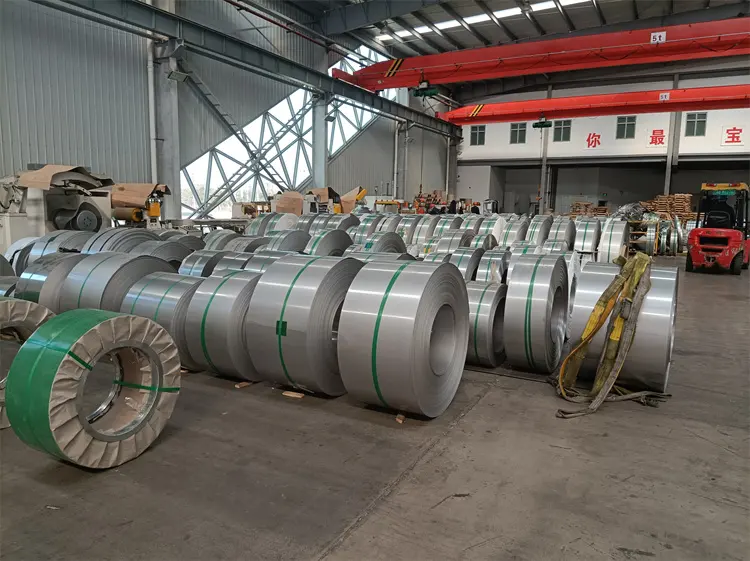
From manufacturing to healthcare, essential applications consistently drive innovation and efficiency, enabling businesses to adapt and thrive in dynamic markets. These tools aren't just add-ons; they form the backbone of daily operations, often becoming so ingrained that their absence would disrupt entire workflows. Whether it's enterprise resource planning systems streamlining supply chains or customer relationship management software enhancing client interactions, their impact is felt across sectors, proving that foundational technologies are key to resilience and competitiveness.
What sets truly essential applications apart is their ability to evolve with industry-specific challenges, such as compliance in finance or patient data security in healthcare. They don't just offer generic solutions but provide tailored features that address unique pain points, from real-time analytics in logistics to predictive maintenance in the energy sector. This adaptability ensures that organizations can leverage technology not only to meet current demands but also to anticipate future trends, making them indispensable assets in a rapidly changing landscape.
Moreover, these applications foster collaboration and data-sharing across diverse teams, breaking down silos that once hindered productivity. For instance, in construction and project management, integrated platforms allow architects, engineers, and contractors to coordinate seamlessly, reducing errors and accelerating timelines. By embedding themselves into the core of business processes, essential applications transform how industries operate, driving measurable improvements in both cost-effectiveness and strategic outcomes without relying on fleeting trends or buzzwords.
Selecting the Right Grade for Your Projects
Ever felt overwhelmed by the sheer number of grade options out there, trying to pick the perfect one for your project? It’s like standing in a hardware store aisle, staring at shelves full of screws—each promising to be the best fit. The truth is, there's no one-size-fits-all answer; it all boils down to understanding what your project really needs. Is it about durability against the elements, or maybe cost-efficiency for a tight budget? Start by asking these questions, and you'll be halfway to making a smart choice that saves you time and headaches down the line.
Think of grades as the unsung heroes of your project's success—they quietly determine everything from longevity to performance. For instance, in construction, a higher-grade steel might offer superior strength for a bridge, but for a garden shed, a lower grade could do just fine without breaking the bank. Don’t just go with the highest grade because it sounds impressive; consider factors like environmental exposure, load requirements, and even aesthetic preferences. A little research upfront can prevent costly mistakes, ensuring your project not only looks good but stands the test of time.
In the end, selecting the right grade isn’t about following a rigid checklist—it’s about blending practicality with vision. Chat with experts, review case studies from similar projects, and trust your instincts. Remember, the best choice often strikes a balance between quality and affordability, tailored uniquely to your goals. So, take a deep breath, weigh your options, and dive in with confidence; your project will thank you for the thoughtful approach.
Cost-Effective Sourcing and Bulk Purchasing Tips
Finding ways to stretch your sourcing budget doesn't have to mean settling for lower quality. It's about smart strategies that help you get more for your money. Building strong relationships with suppliers is key; when you communicate your needs clearly and commit to regular orders, many are willing to negotiate better prices or offer loyalty discounts. Also, consider looking beyond traditional markets—exploring emerging regions or niche suppliers can uncover hidden gems that provide excellent value without breaking the bank.
Bulk purchasing goes beyond just buying in large quantities. To make it truly cost-effective, focus on items with stable demand and long shelf lives, avoiding overstock that leads to waste. Timing your purchases can also make a big difference; for example, buying seasonal products off-season might land you significant discounts. Don't forget to factor in shipping and storage costs—sometimes, a lower unit price isn't worth it if handling expenses eat into your savings.
For businesses aiming to stand out, try blending bulk buys with customization. Some suppliers offer discounts on standard products if you agree to minor tweaks that align with your brand, giving you a unique edge. Additionally, leveraging group purchasing with other small businesses through cooperatives can provide access to bulk rates typically reserved for larger players. Always keep an eye on market trends and adjust your sourcing plans accordingly to stay ahead of cost fluctuations.
Quality Standards and Performance Metrics
Establishing robust quality standards and performance metrics isn't just a procedural necessity; it's a strategic investment. Clear standards provide a shared roadmap, ensuring every stakeholder—from frontline employees to top management—aligns on what excellence truly means for the organization. Performance metrics, when thoughtfully designed, turn abstract goals into measurable outcomes, offering a tangible way to track progress and identify areas for improvement. This dual framework not only boosts accountability but also fosters a culture of continuous enhancement where data-driven insights fuel innovation and efficiency.
In practice, effective metrics should be both quantitative and qualitative, capturing hard numbers like error rates or turnaround times alongside softer aspects such as customer satisfaction or team collaboration. This balanced approach avoids the pitfall of overly rigid measurements that might stifle creativity or miss the bigger picture. For instance, while a manufacturing unit might focus on defect percentages, it could also incorporate feedback from quality audits to ensure processes adapt to real-world challenges, making the system more resilient and responsive to changing demands.
Ultimately, quality standards and performance metrics serve as a dynamic feedback loop, guiding decisions and driving sustainable growth. By regularly reviewing and refining these tools, organizations can stay agile, preempt issues before they escalate, and consistently deliver value that meets or exceeds expectations. It's about building a foundation that not only measures success but actively cultivates it through informed, purposeful action.
Future Trends and Innovations
As technology continues to evolve at a breakneck pace, one of the most anticipated shifts is the seamless integration of artificial intelligence into everyday environments, moving beyond screens to create intuitive, context-aware systems. This will likely see smart homes that not only respond to voice commands but also predict needs based on behavioral patterns, while industries like healthcare could benefit from AI-driven diagnostics that offer personalized treatments in real-time. Such innovations promise to blur the lines between digital and physical worlds, fostering more efficient and adaptive living spaces.
Another emerging trend is the rise of decentralized technologies, such as blockchain and Web3, which are set to redefine how we interact with data and ownership online. By enabling peer-to-peer transactions without intermediaries, these systems could democratize access to financial services, enhance supply chain transparency, and create new opportunities for digital art and content creation through NFTs. This shift towards decentralization challenges traditional power structures, offering a glimpse into a future where trust and control are distributed among users rather than centralized entities.
On the horizon, sustainable innovation is gaining momentum as climate concerns drive technological solutions, such as advancements in renewable energy storage, carbon capture methods, and circular economy models. Companies and researchers are focusing on developing materials that are both high-performing and environmentally friendly, like bioplastics or energy-efficient batteries. This trend not only addresses urgent global issues but also opens up markets for green technologies, encouraging a balance between progress and planetary health in the coming decades.
FAQ
Non-oriented electrical steel is specifically engineered to have consistent magnetic properties in all directions, making it ideal for applications where magnetic flux changes direction, such as in motors and transformers. Unlike grain-oriented steel, which has enhanced magnetic properties in one direction, this steel type is more versatile for rotating machinery.
Wholesalers should look for key indicators like low core loss, high permeability, and uniform thickness. It's also wise to check certifications (e.g., ISO standards) and request test reports from manufacturers to verify performance under various conditions, ensuring reliability for end-users.
This steel is crucial in the automotive sector for electric vehicle motors, appliance manufacturing for household items like washing machines, and industrial applications for motor generators and small transformers. Its use is expanding with the growth of renewable energy systems and efficient electronics.
Pricing is affected by raw material costs, such as silicon content, production techniques (e.g., annealing processes), market demand, and order volume. Geopolitical factors and energy prices can also play a role, so staying informed about global trends helps negotiate better deals.
Store it in a dry, indoor environment to prevent rust and moisture damage. Avoid stacking coils too high to prevent deformation, and use protective coatings or covers during transport. Proper handling reduces the risk of scratches that could impair magnetic efficiency.
Recent advancements include improved alloy compositions to reduce energy loss and thinner gauges for better performance in compact designs. Some manufacturers are integrating sustainable practices, like recycling scrap steel, which can appeal to eco-conscious clients in the wholesale market.
Focus on clear communication, consistent order volumes, and timely payments. Attend industry trade shows to meet suppliers, request samples for quality checks, and discuss long-term contracts to secure stable pricing and access to new product lines.
Often, they overlook detailed specifications, leading to mismatches in applications, or prioritize low cost over quality, resulting in higher long-term costs from inefficiencies. Failing to verify supplier credibility and not keeping up with technological updates can also hinder success in this competitive field.
Conclusion
Non-oriented electrical steel serves as a critical material for wholesale success, offering key advantages like low core loss, high permeability, and stable magnetic properties, which enhance energy efficiency in electrical applications. These benefits make it indispensable across various industries, including motor manufacturing, transformers, generators, and appliances, where reliability and performance are paramount. By selecting the right grade, such as those optimized for frequency and power requirements, businesses can tailor solutions to specific project needs, ensuring optimal functionality and durability. Moreover, understanding cost-effective sourcing and bulk purchasing strategies helps in managing budgets and securing competitive prices, leveraging economies of scale for long-term savings. This strategic approach not only meets immediate demands but also aligns with quality standards and performance metrics, such as ASTM or IEC specifications, guaranteeing product consistency and compliance.
Looking ahead, future trends and innovations in non-oriented electrical steel, such as advancements in alloy compositions and manufacturing processes, promise even greater efficiency and sustainability, positioning wholesalers to stay ahead in a dynamic market. By integrating these insights, companies can navigate complexities like material selection, sourcing, and tech evolution, fostering growth and differentiation in wholesale operations. Embracing these elements transforms raw material knowledge into actionable strategies, driving competitive advantage and success in the electrical steel sector.
Contact Us
Contact Person: Zoe Liang
Email: [email protected]
Tel/WhatsApp: 86 189 2128 6299
Website: https://www.baowuchina.com