Non Oriented Electrical Steel: Top 10 Grades for Powering Your Applications
2026-01-30
Navigating the intricate world of Non Oriented Electrical Steel (NOES) can be daunting, especially when selecting the optimal grade for high-performance applications. In this comprehensive guide, we delve into the top 10 grades that are revolutionizing industries by enhancing energy efficiency, durability, and cost-effectiveness. As we explore these cutting-edge materials, join us in discovering how Jiangsu Baowu New Materials leads the charge in innovation, empowering engineers and designers to power their next breakthrough. Ready to unlock the potential of NOES? Let’s dive in.
Exploring the Essential Characteristics of Non-Oriented Electrical Steel
Non-oriented electrical steel, commonly known as NOES, forms the backbone of various electronic and electrical applications due to its unique magnetic properties that are isotropic in nature. Unlike grain-oriented steel, NOES lacks a preferred direction for magnetization, which makes it highly versatile in components where magnetic fields shift directions frequently, such as in motors, generators, and transformers. This isotropic behavior stems from the random grain structure achieved through specific manufacturing processes like hot rolling and annealing, which reduce hysteresis losses and enhance overall efficiency in energy conversion systems. Manufacturers often tailor the composition by adding silicon to improve resistivity and reduce eddy currents, ensuring that NOES meets the demanding requirements of modern high-frequency applications. The material's ability to maintain consistent magnetic performance across different orientations not only boosts device reliability but also allows for more flexible design possibilities in compact electronic assemblies.
Delving deeper into the essential characteristics of non-oriented electrical steel reveals its critical role in minimizing energy losses, which is a key factor in the push for greener technologies. Core loss, comprising hysteresis and eddy current losses, is significantly lower in NOES compared to other materials, thanks to its refined microstructure and optimized chemical makeup. For instance, the inclusion of elements like silicon and aluminum increases electrical resistivity, thereby curbing eddy currents that can lead to heat generation and inefficiency. Additionally, advanced processing techniques such as decarburization and surface coating with insulation materials further enhance magnetic permeability and reduce interlamination losses. These properties make NOES indispensable in the development of electric vehicles, wind turbines, and smart grids, where energy efficiency is paramount. By understanding these traits, engineers can select the appropriate grade of NOES to balance cost, performance, and environmental impact, driving innovation in sustainable energy solutions.
Beyond its technical merits, the adaptability of non-oriented electrical steel extends to its application in diverse and evolving industries, setting it apart from more rigid alternatives. Its isotropic nature allows for easier fabrication into complex shapes without compromising magnetic integrity, which is crucial for miniaturized devices in consumer electronics and industrial machinery. This flexibility, coupled with ongoing research into nanocrystalline and amorphous variants, positions NOES at the forefront of material science advancements. For example, recent developments focus on reducing thickness and improving surface treatments to meet the demands of high-frequency power electronics, where traditional materials might falter. As global energy standards tighten, the role of NOES in enhancing performance while reducing carbon footprints cannot be overstated, making it a cornerstone in the quest for more efficient and durable electrical systems across sectors.
Key Benefits of Choosing High-Grade Steel for Electrical Devices
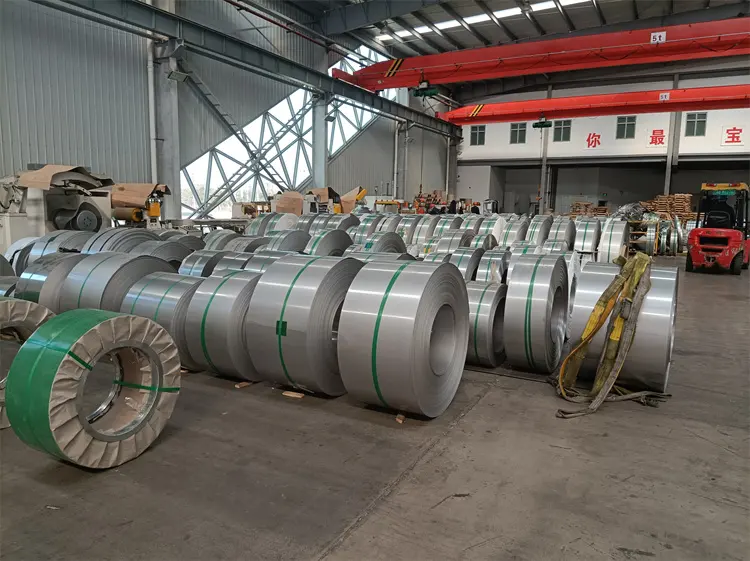
When it comes to electrical devices, the materials you select can make or break their performance and longevity. High-grade steel stands out from the crowd by offering superior strength and durability, which translates into devices that can withstand daily wear and tear without compromising functionality. Unlike cheaper alternatives that might bend or corrode over time, this material ensures your equipment remains robust in various environments, from humid workshops to busy industrial settings.
Another often overlooked advantage is the enhanced safety profile high-grade steel brings to the table. Its excellent conductivity and heat resistance help prevent overheating, reducing the risk of electrical fires or malfunctions. This isn't just about meeting standards—it's about peace of mind for manufacturers and end-users alike, knowing that devices are built with a material that prioritizes reliability under stress.
Beyond the basics, opting for high-grade steel can also streamline maintenance and boost overall efficiency. With less susceptibility to rust and degradation, these devices require fewer repairs and replacements, saving time and resources in the long run. This choice isn't just practical; it's a smart investment that elevates product quality, setting your offerings apart in a competitive market where durability often sways buyer decisions.
How Different Steel Grades Impact Efficiency in Power Applications
When it comes to power applications, the choice of steel grade can significantly influence overall system efficiency. Electrical steels, often categorized by their silicon content and grain orientation, are engineered to minimize core losses during electromagnetic induction. For instance, non-oriented electrical steels are commonly used in motors and generators where magnetic fields change direction, while grain-oriented varieties excel in transformers by aligning magnetic domains to reduce energy dissipation. Selecting the right grade means balancing factors like hysteresis and eddy current losses, which directly affect how much power is wasted as heat during operation.
Beyond basic electrical properties, advanced steel grades incorporate alloying elements and specialized processing techniques to enhance performance. High-permeability steels, with precise control over impurities, can achieve lower core losses, leading to more efficient power transmission over long distances. In renewable energy systems like wind turbines, durable, corrosion-resistant steels are essential to maintain efficiency in harsh environments, preventing degradation that could increase maintenance downtime. The interplay between mechanical strength and magnetic characteristics ensures that components not only operate efficiently but also withstand stresses without compromising energy output.
Ultimately, the impact of steel grades on efficiency extends to lifecycle costs and sustainability. By optimizing materials for specific applications, industries can achieve energy savings that compound over time, reducing operational expenses and environmental footprints. Innovations in steel manufacturing, such as ultra-thin laminations or coatings that improve insulation, continue to push the boundaries, making it crucial for engineers to stay informed about evolving options. This nuanced approach to material selection highlights why a one-size-fits-all strategy fails in power systems, where every percentage point of efficiency gained translates to tangible benefits in performance and reliability.
Selecting the Right Steel for Motor and Transformer Design
When designing motors and transformers, choosing the appropriate steel isn't just a matter of cost—it's a critical performance decision. High-grade electrical steels, often silicon-based alloys, minimize energy losses by reducing eddy currents and hysteresis. For motors, where efficiency and heat management are paramount, grain-oriented silicon steel can enhance magnetic flux direction, while non-oriented variants suit rotating components. In transformers, core materials like cold-rolled grain-oriented (CRGO) steel are preferred for their superior magnetic properties, cutting down on no-load losses. It's about balancing permeability, saturation levels, and mechanical durability to ensure reliable operation under varying loads.
Beyond standard grades, engineers must consider specific application needs. For instance, in high-frequency motors or small transformers, thinner laminations with lower core loss might be essential to prevent overheating and improve efficiency. Conversely, industrial transformers handling heavy loads might prioritize steels with higher saturation flux density to avoid magnetic saturation. Factors like processing techniques—such as annealing—also influence magnetic performance, making it vital to tailor selections based on operational environments and longevity requirements.
Innovations in steel technology, like amorphous or nanocrystalline alloys, offer alternatives for ultra-efficient designs, though they come with trade-offs in cost and brittleness. Ultimately, the right steel choice hinges on a holistic view of design goals, from energy savings and noise reduction to thermal stability and cost-effectiveness, ensuring motors and transformers perform optimally throughout their lifecycle.
Innovations in Steel Technology Enhancing Application Performance
Recent advancements in steel technology are revolutionizing material performance across diverse applications, from construction to automotive sectors. Innovations like high-strength low-alloy (HSLA) steels and advanced coating techniques are enhancing durability while reducing weight, leading to more efficient designs that withstand extreme conditions without compromising safety. These breakthroughs enable engineers to push the boundaries of what steel can achieve, transforming traditional industries with smarter, more resilient solutions.
Emerging processes such as additive manufacturing and micro-alloying are further tailoring steel properties for specific needs, allowing for unprecedented customization in performance. For instance, automotive manufacturers now integrate these steels to improve fuel economy and crash resistance simultaneously, a balance once thought unattainable. This shift not only boosts functionality but also extends product lifespans, reducing maintenance costs and environmental impacts over time.
Beyond mechanical improvements, innovations in heat treatment and surface engineering are enhancing corrosion resistance and fatigue strength, making steel ideal for harsh environments like offshore platforms or aerospace applications. By refining these technologies, industries can rely on steel to perform reliably under stress, driving innovation forward in a way that feels both practical and forward-thinking, setting new benchmarks for material science.
Practical Tips for Integrating Top Steel Grades into Your Projects
When selecting top steel grades like 304 stainless or AR500 for your projects, start by digging into the specifics of your environment and load requirements. It's easy to fall into the trap of choosing a high-end grade just because it's labeled 'premium,' but that can lead to unnecessary costs and performance mismatches. Instead, ask yourself: Will this steel face constant moisture, heavy impact, or extreme temperatures? For instance, if you're building outdoor railings in a coastal area, 316 stainless steel with its molybdenum content might be worth the investment over 304, as it resists chloride corrosion better. Tailoring your choice to these real-world conditions not only boosts durability but also cuts down on long-term maintenance headaches.
Beyond just picking the right material, how you integrate it on-site makes all the difference. Many projects stumble during fabrication or installation, even with top-grade steel, due to poor handling or improper techniques. Always follow manufacturer guidelines for welding, cutting, and finishing—these aren't just suggestions but critical steps to preserve the steel's properties. For example, when working with high-strength grades like A572, avoid excessive heat during welding, which can weaken the material. Equip your team with the right tools and training; something as simple as using clean, dedicated abrasives for stainless steel can prevent contamination and ensure a smooth, corrosion-resistant finish.
Finally, think beyond the immediate build and consider the entire lifecycle of your project. Top steel grades often come with higher upfront costs, but they can pay off through extended longevity and reduced replacement needs. Collaborate with suppliers who offer technical support and detailed documentation, helping you track things like certifications and batch numbers for quality assurance. Don't just stick to conventional applications—experiment with combining grades, like using weathering steel for structural elements and a polished stainless for accents, to add both function and aesthetic appeal. By focusing on these practical, hands-on aspects, you'll maximize the value of your steel investment and create projects that stand out for their resilience and smart design.
FAQ
NOES is commonly used in motors, generators, transformers, and other magnetic cores where efficiency and reduced power losses are critical, such as in appliances and industrial equipment.
The random grain orientation in NOES minimizes magnetic anisotropy, which reduces eddy current losses and improves overall magnetic permeability, making it suitable for applications with varying magnetic field directions.
Key factors include core loss, permeability, thickness, and coating type, as these impact efficiency, heat generation, and durability in motors operating under different load conditions.
High-silicon grades (e.g., with 3% or more silicon) offer lower core losses and better magnetic properties but are brittler, whereas low-silicon grades are more ductile and cost-effective for less demanding applications.
Coatings like inorganic or organic insulations reduce interlamination losses, improve thermal resistance, and prevent corrosion, leading to longer device lifespans and higher efficiency in high-temperature environments.
Thinner laminations reduce eddy current losses and improve high-frequency performance but increase manufacturing costs and complexity, while thicker ones are cheaper and sturdier but less efficient at higher frequencies.
By minimizing hysteresis and eddy current losses, top grades like high-permeability steels enable more efficient power conversion, reducing energy consumption in everything from electric vehicles to industrial machinery, often achieving significant operational cost reductions.
Conclusion
Non-oriented electrical steel serves as a critical material in modern electrical engineering, powering a wide range of applications from motors to transformers. By exploring its essential characteristics, such as low core loss and high permeability, engineers can better understand how these properties contribute to energy efficiency and device reliability. Selecting the right steel grades, among the top 10 available, directly impacts the performance of electrical systems, with higher grades offering enhanced magnetic properties that reduce energy waste and improve overall functionality. Innovations in steel technology continue to push the boundaries, allowing for thinner gauges and improved coatings that further optimize application performance.
Integrating these top steel grades into projects requires careful consideration of specific design needs, such as motor and transformer requirements, where factors like frequency and load conditions play a key role. Practical tips for implementation include assessing trade-offs between cost and efficiency, and leveraging the latest advancements to ensure long-term durability. By focusing on these elements, professionals can harness the full potential of non-oriented electrical steel, driving innovation in power applications and achieving superior results in energy-intensive industries.
Contact Us
Contact Person: Zoe Liang
Email: [email protected]
Tel/WhatsApp: 86 189 2128 6299
Website: https://www.baowuchina.com