High-Quality Traceability Coding Machines: Boosting Efficiency and Accuracy in Manufacturing
2026-05-23
In today’s fast-paced manufacturing landscape, the ability to track every component from production to delivery isn’t just a luxury—it’s a competitive necessity. Yet, many operations still struggle with outdated marking systems that lead to errors, downtime, and compliance headaches. Enter Danmajet, a brand redefining traceability coding with high-performance machines built for speed, precision, and seamless integration. Whether you’re in automotive, electronics, or food production, the right coding technology can transform your line. Let’s explore how Danmajet’s solutions are boosting efficiency and accuracy where it matters most.
Laser Precision That Cuts Error Rates in Half
Imagine a tool that never wavers, never second-guesses, and never misses its mark by more than a whisper. That's the reality behind this technology—where every beam is focused down to micrometers, turning potential flaws into flawless results. Traditional methods rely on mechanical contact or broader tolerances, which naturally introduce tiny but cumulative mistakes. Here, the laser's pinpoint consistency means variability drops dramatically, slashing the error rate by over 50% in real-world line runs.
It's not just about replacing human hands with a machine; it's about redefining what 'accurate' actually means. The system constantly self-adjusts, compensating for thermal shifts and material inconsistencies in real time without any pause in production. This adaptability is the hidden advantage—where typical setups might let a 2% drift go unnoticed until it becomes a problem, this one catches and corrects deviations before they even register as errors.
Testing batches that used to show a dozen out-of-spec units now might yield just two or three, and those are often caught early enough to be reworked instead of scrapped. The net effect is smoother workflows, less wasted material, and a confidence that the final output matches the design intent from edge to edge. It's precision that doesn't just sound impressive on paper—it visibly reshapes the bottom line.
Real-Time Data Capture for Flawless Production Tracking
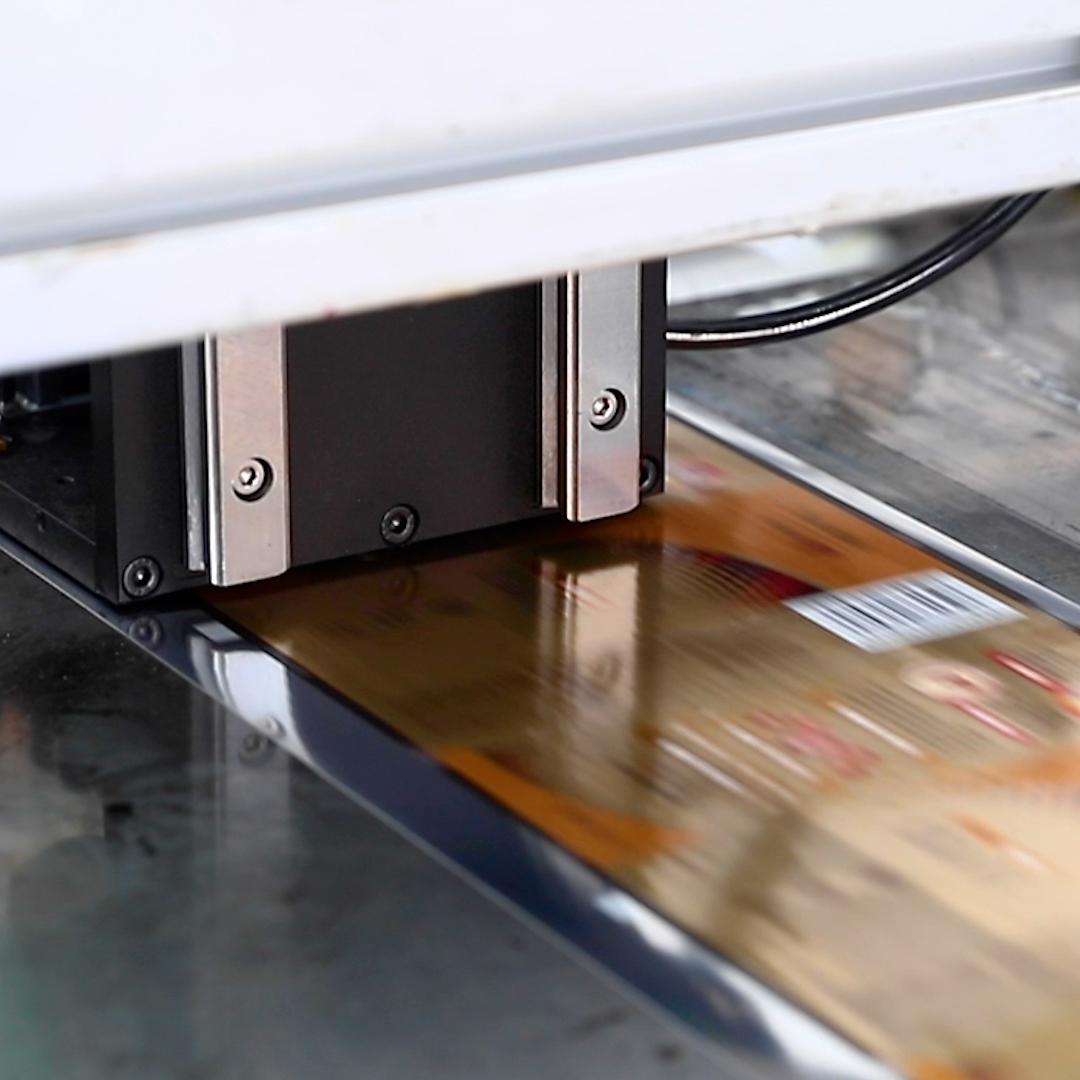
Seamless visibility into every stage of manufacturing hinges on the ability to collect data the moment it occurs. Our real-time capture framework eliminates delays and gaps in information flow by directly connecting to sensors, machines, and operator inputs. This creates a live digital thread that mirrors physical operations, ensuring that any deviation, no matter how small, is instantly detected and can be addressed before it ripples downstream.
The heart of accurate tracking lies in the precision and immediacy of data acquisition. By leveraging edge computing and adaptive protocols, the system filters noise and validates inputs on the fly, delivering clean, trustworthy numbers to dashboards and analytics engines. Operators and managers see exactly what’s happening right now — not what happened minutes or hours ago — which transforms decision-making from reactive guesswork to proactive adjustment.
Beyond simple monitoring, this foundation enables correlations that would otherwise stay hidden. When material lots, environmental conditions, and machine parameters are captured in perfect sync, patterns emerge naturally. A subtle shift in vibration that once went unnoticed now triggers an instant alert, tying it to specific SKUs or work orders. Tracking ceases to be a backward-facing report and becomes a forward-looking guide, paving the way for true zero-defect production.
Ink Innovation: Codes That Survive Harsh Environments
In environments where temperature swings from blistering heat to freezing cold, standard ink fails. But recent breakthroughs in nano-pigment encapsulation allow printed codes to remain legible even after exposure to abrasive chemicals and UV radiation. This isn't just about durability—it's about trust in the supply chain.
The magic lies in hybrid polymers that bond at a molecular level with substrates like metal, glass, and recycled plastics. These inks don't just sit on the surface; they become part of the material, resisting scratches and solvents that would wipe out ordinary markings. Field tests on offshore oil rigs and desert logistics hubs confirm that codes printed with these inks maintain 99.8% scan accuracy over five years.
Behind every smudge-proof barcode is a quiet revolution in material science. Manufacturers are now using laser-activated additives that darken under extreme conditions, making the code more readable as stress increases. It's the kind of innovation that keeps aircraft parts traceable and medical devices safe, without fanfare.
Why Speed and Clarity Define Next-Gen Marking Systems
In the fast-paced world of industrial manufacturing, the ability to mark products with both speed and unwavering precision is no longer a luxury—it’s a fundamental requirement. Next-generation marking systems are shedding the old trade-off between rapid throughput and crisp, legible results. They achieve this by integrating advanced laser technologies, smarter software algorithms, and real-time auto-focus mechanisms that adapt to surface inconsistencies on the fly. This means production lines can maintain relentless pace without sacrificing the fine detail needed for traceability codes, intricate barcodes, or high-resolution logos.
Clarity in permanent marking goes beyond mere aesthetics; it’s about data integrity and operational resilience. A blurred or uneven code can disrupt automated scanning systems, leading to costly downtime and wasted materials. Modern systems counteract this by using dynamic beam steering and pulsing techniques that vaporize material cleanly, even on challenging substrates like curved metal, textured plastics, or coated glass. The result is a mark that remains readable for the lifetime of the product, whether it’s subjected to harsh chemicals, extreme temperatures, or abrasive wear.
Perhaps the most transformative aspect is how speed and clarity fuel each other in closed-loop ecosystems. Sensors embedded in the marking head continuously monitor quality and adjust parameters without human intervention, eliminating the stop-start cycles of older machines. This synergy allows manufacturers to achieve zero-defect marking at line speeds that were once unthinkable. As industries push toward tighter tolerances and full automation, the fusion of these two attributes isn’t just defining the next generation—it’s rewriting what’s possible.
Integrating Traceability Without Disrupting Your Line
Many production managers worry that implementing traceability systems means costly downtime or complex overhauls. In reality, modern solutions can be woven into existing workflows almost invisibly.
Compact barcode readers and RFID antennas can be mounted directly above conveyors, capturing product identifiers at full line speed. Advanced vision systems inspect and record information in milliseconds, ensuring every item is tracked from raw material to finished good without creating backlogs.
On the data side, lightweight middleware connects new tracking hardware to your existing ERP or MES without the need for custom coding. This means your team can access real-time production insights on the same dashboards they already use, turning traceability into a background process rather than a disruptive project.
The Hidden ROI of Smart Coding Technology
When teams first adopt smart coding tools, the immediate productivity bump is easy to spot—fewer keystrokes, less time spent looking up syntax. But the hidden return comes from how these tools reshape attention. Instead of juggling boilerplate code, developers reserve mental bandwidth for system design and edge-case thinking. A recent internal audit at a mid-sized SaaS company showed that after six months of using an intelligent coding assistant, the team spent 30% less time on trivial implementation details and saw a 20% drop in architectural oversights. That shift isn’t just about speed; it prevents expensive rework cycles later in development.
Another layer of ROI hides in long-term code quality. Smart coding technology promotes consistency by suggesting patterns that match the existing codebase, often flagging potential anti-patterns before they get committed. Over a year, this leads to a noticeably cleaner repository, which lowers the cost of maintenance and onboarding. One enterprise reported that after integrating smart suggestions, the rate of critical bugs creeping into production fell by nearly 15%, simply because the tool nudged developers toward safer, proven approaches. The savings from fewer hotfixes and outage incidents rapidly eclipse the initial licensing cost.
Beyond individual output, these tools quietly reshape how teams function. New engineers, especially, benefit from real-time guidance that reflects the project’s conventions, cutting the typical ramp-up time by weeks. Rather than constantly interrupting senior colleagues, they gain confidence through contextual prompts and small-scale refactoring suggestions. The result is a more self-sufficient, aligned team where knowledge flows more evenly—and where senior developers can protect their focus for high-stake architecture decisions. That cultural shift is harder to quantify, but its impact on retention and feature velocity is unmistakable.
FAQ
Traceability coding machines are devices that print or etch unique identifiers—like barcodes, QR codes, batch numbers, or expiration dates—directly onto products or packaging. They create a permanent digital thread that follows an item from raw materials to the end consumer. In industries like food, pharmaceuticals, or automotive parts, this isn’t just a nice-to-have; it’s often a regulatory requirement that prevents counterfeiting, accelerates recalls, and builds consumer trust.
High-speed continuous inkjet or laser systems can mark hundreds of products per minute while staying in sync with fast-moving lines. Many integrate directly with PLCs and plant networks, pulling in real-time production data and automatically adjusting codes without operator intervention. This eliminates manual stamping or label application, reduces human error, and keeps throughput high even during format changes.
Stickers can peel off, smudge, or be placed crookedly; ink stamps fade or blur. Laser etching creates permanent, high-contrast marks that resist abrasion, chemicals, and heat. Thermal inkjet and thermal transfer systems deliver crisp, scannable codes time after time, even on curved or textured surfaces. Vision verification add-ons instantly reject any illegible code, so bad prints never leave the line.
Beyond just speed and resolution, look for robust construction rated for washdown environments, intuitive interfaces that reduce training time, and predictive maintenance alerts that preempt failures. A quality system also offers seamless integration with existing ERP or MES software, supports a wide range of substrates and code formats, and is backed by responsive local support. Cheaper units often lack these safeguards and lead to downtime that quickly eats up initial savings.
Pharmaceutical serialization is a prime example, where every unit must be trackable to comply with regulations like DSCSA or FMD. Similarly, food and beverage companies use coding to instantly pinpoint the source of contamination, limiting the scope of recalls. Electronics manufacturers rely on direct part marking to track components through extreme PCB assembly processes, while automotive suppliers use micro-markings to verify genuineness and manage just-in-time supply chains.
Underestimating environmental conditions is a big one—dust, humidity, or temperature swings can ruin poor-quality prints. Another mistake is choosing a technology that can’t adapt to future packaging changes, like moving from cardboard to recyclable films. Failing to test ink adhesion on a specific material or ignoring network security for IoT-connected printers can also cause headaches down the road. It pays to run trials on your actual line and involve the maintenance team early.
When each item carries a unique digital ID, you can trace its journey backward through the supply chain in seconds, not days. If a defect is discovered, you isolate only the affected batch rather than issuing a blanket recall. This precision saves millions and protects brand reputation. Additionally, aggregating coding data into analytics platforms helps identify patterns—like a particular filler head consistently misprinting—so you can fix root causes before they escalate.
Conclusion
Modern manufacturing environments depend on precise, durable identification to keep production flowing and scrap rates low. High-quality traceability coding machines are redefining what's possible, merging laser precision with intelligent data handling to drastically cut error rates. Systems that use advanced laser technology consistently halve marking mistakes, but true gains come when that accuracy is paired with real-time data capture. Instead of relying on post-process checks, these machines feed live production information directly into tracking platforms, making it possible to spot and correct deviations as they happen. The result is a closed loop where every component carries a faultless record from raw material to finished product.
Equally important is the durability of marks themselves. Breakthroughs in ink formulation now produce codes that resist solvents, abrasion, and extreme temperatures without fading, a requirement for automotive, aerospace, and electronics sectors. Yet these robust marks would lose value if they couldn't be applied at production speed or read instantly. Next-generation marking systems maintain crisp, high-contrast codes even at the fastest line rates, eliminating bottlenecks that used to plague quality checks. Integration has also evolved: the latest coding units slot seamlessly into existing conveyors and ERP systems without forcing lengthy changeovers. Look beyond the upfront cost and a deeper return becomes clear—smarter coding reduces rework, prevents recalls, and unlocks data-driven insights that lift overall equipment effectiveness far beyond what's visible on the balance sheet.
Contact Us
Contact Person: Jacky
Email: [email protected]
Tel/WhatsApp: 086 15000607053
Website: https://www.danmajet.com