China Second Hand Loaders: Your Ultimate Guide to Quality Pre-Owned Machinery
2026-06-09
When it comes to sourcing used loaders from China, the promise of value often collides with concerns about hidden defects and unreliable sellers. That’s where JILIANG CHI changes the game—offering inspected, ready-to-work machinery that actually matches the listing. In this guide, we’ll walk you through how to sidestep common pitfalls, judge equipment like a pro, and why a trusted partner makes all the difference.
What Nobody Tells You About Buying Used Loaders in China
When you start shopping for a used loader in China, the price tags can seem almost too good to be true. But what nobody tells you is how easily a "bargain" turns into a money pit. Machines that look clean in photos often arrive with undocumented repair histories, mismatched components, and undercarriages that are barely holding together. If you're not grinding every serial number and physically inspecting every inch, you're practically gambling.
Another hidden trap is the secondhand market's deeply localized information asymmetry. Sellers know the machine’s true condition, but they may classify a loader that spent its life in coastal salt‑mist as simply "used," never mentioning the accelerated corrosion. Local standards for “reconditioned” can also be wildly different from what you expect, and trying to negotiate remotely usually means details get glossed over. The reality is, trust is built at the inspection pit, not over a WeChat conversation.
Spotting Hidden Problems in Second-Hand Machinery
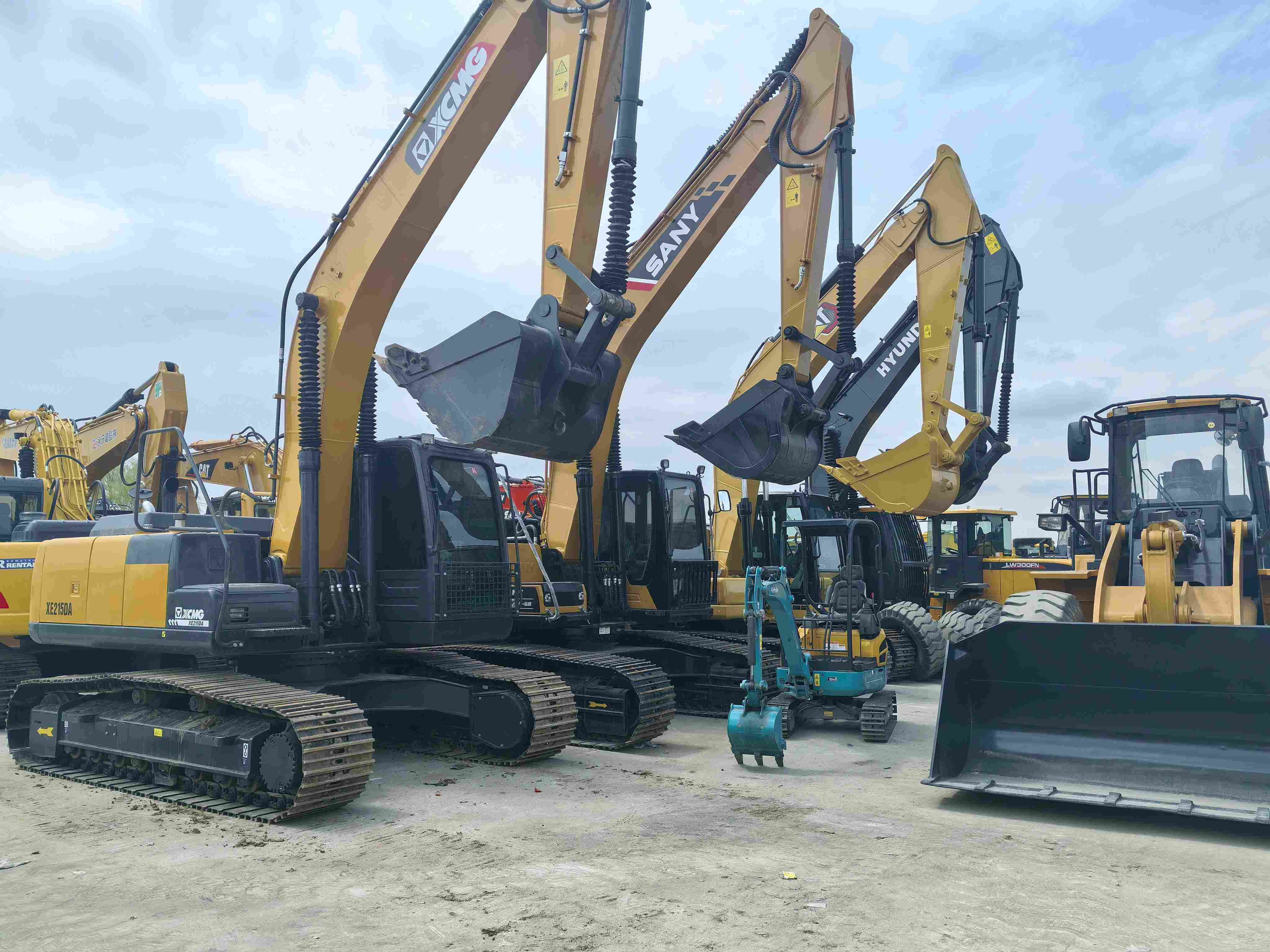
A fresh coat of paint can do wonders for a machine's appearance, but it can also be a red flag. Sellers sometimes use touch-ups to hide rust, cracks, or weld repairs that signal deeper fatigue. Run your hand along critical stress points like joints and mounting brackets—roughness or uneven texture often means something's been patched up in a hurry.
Don't rely solely on the hour meter or maintenance logs. These can be tampered with or simply not reflect real-world strain. Instead, look for subtle signs of misuse: worn-out pedals, sloppy control levers, or mismatched bolt heads. Even the smell of burnt hydraulic fluid or unusual vibration during a test run can tell you more than any paperwork. Trust your senses as much as the specs.
The Smart Buyer’s Checklist for Pre-Owned Loaders
Buying a used loader isn’t just about the price tag—it’s about understanding what that machine has been through. Start by getting a feel for its history: Was it on a construction site, a farm, or a recycling yard? Each environment leaves its own set of scars. A machine that spent its life handling abrasive materials like gravel or demolition debris will have more wear on the bucket, cutting edges, and undercarriage. Ask for maintenance logs, even if they’re handwritten or digital snapshots. A well-documented service history often reveals an owner who cared, while a spotty record might hint at neglect. Don’t just glance at the hour meter—dig into how those hours were spent. A loader with high idle time might have less drivetrain wear than one that was constantly pushing at full throttle.
Once you’ve got a sense of its past, it’s time to get your hands dirty. Inspect the loader as if you’re the one who’ll be fixing it. Look beyond the shiny paint: crawl underneath to check for cracks in the frame, rust around pivot points, and leaks from hydraulic cylinders or hoses. Bring a flashlight and a mirror, or use your phone camera to peer into tight spots. The pins and bushings tell a silent story—excessive play or dry, squeaking joints mean money out of your pocket soon. Don’t forget the tires or tracks; uneven wear could point to alignment issues or a bent axle. Fire up the engine and listen for knocks, smoke, or hesitation. Test every function, from the boom lift to the auxiliary hydraulics, under both load and idle. A machine that works smoothly when cold might reveal its true character once warmed up.
Finally, think long-term even as you negotiate the deal. Factor in the real cost of ownership: parts availability, dealer support, and the complexity of emissions systems if you’re looking at newer Tier 4 models. A bargain loader from a discontinued brand might haunt you when you need a simple seal kit. Check the undercarriage carefully if it’s a tracked machine—a worn track or sprocket can cost thousands to replace, and no amount of haggling will soften that blow. Take a moment to research common failure points for that specific model; online forums and mechanic friends are gold mines here. When you’re ready to talk numbers, let the condition you’ve verified guide your offer, not the seller’s promises. A smart buyer walks in with a checklist and leaves with a machine that won’t nickel-and-dime them down the line. It’s not about finding a perfect loader—it’s about finding one where the true cost doesn’t surprise you three months later.
Where to Find Reliable Sellers Across China
Navigating the vast landscape of Chinese commerce requires knowing where to look, whether you're sourcing for a small boutique or a large-scale enterprise. Rather than relying solely on random online searches, smart buyers turn to established B2B platforms that connect them with vetted manufacturers and distributors. These hubs offer a starting point for due diligence, often including basic supplier verification and buyer protection mechanisms that make initial contact less of a gamble.
Beyond the digital realm, the country’s renowned trade fairs remain a cornerstone for building trust. Events like the Canton Fair in Guangzhou or the Yiwu Commodities Fair bring hundreds of vendors under one roof, allowing you to inspect product samples firsthand, negotiate face-to-face, and gauge a supplier’s professionalism. Smaller, specialized expos held in industrial clusters—think electronics in Shenzhen or textiles in Shaoxing—offer focused opportunities to tap directly into the supply chain.
It’s also worth looking into regional wholesale markets and factory clusters. For instance, the sprawling markets in Yiwu provide an overwhelming array of everyday goods, while Foshan is synonymous with furniture. Walking through these districts often reveals workshops and mid-sized factories that don’t heavily advertise online. The key is to verify credentials on the ground, asking for business licenses and cross-checking with local chambers of commerce. Pairing this hands-on approach with a bit of local insight can lead to partnerships that digital-only interactions might never uncover.
Decoding Loader Specifications: What Matters Most
When scrolling through loader specs, the numbers can blur together fast. But what really separates a machine that just gets by from one that actually moves the needle on your jobsite? It’s rarely the headline horsepower figure. Instead, focus on breakout force and full-turn tipping load—those two tell you how much muscle you truly have when it matters, especially under real-world crowding and lifting scenarios. If those numbers feel anaemic, you’ll feel it every time you dig into a pile or try to handle a heavy pallet on uneven ground.
Another spec that gets overlooked is hydraulic flow and cycle times. You can have all the power in the world, but if the loader’s arms creep up and dump like molasses, your productivity takes a hit. Look closely at the implement pump flow, and then check how that translates into real cycle times from manufacturers who actually publish them. Quick cycles mean you’re not just strong on paper—you’re fast in the seat.
Finally, don’t ignore operational weight and ground pressure. A heavier machine might seem more stable, but it can also tear up your work area or struggle in soft underfoot conditions. The smart play is to match the loader’s footprint and weight distribution to your typical surface—sometimes a lighter machine with good counterbalance and the right tires will outperform a heavyweight that’s constantly digging itself out. And always ask about the true static tipping load with the bucket at full height; it’s the figure that keeps both your loads and your safety margins in check.
Making Your Purchase Pay Off: Maintenance and Resale Tips
Regular care does more than keep an item functional—it preserves its story. A leather bag conditioned twice a year develops a richer patina, while a bicycle with a clean chain and indexed gears feels newer for longer. Snap a photo of each maintenance step, whether it’s changing oil or polishing silver, and keep them in a folder. Those small habits pay off when it’s time to sell.
When you’re ready to move on, presentation matters more than you’d think. Natural light and a clean background can make a used couch look irresistible, but skip the over-edited gallery—honest shots of wear and tear build trust. Write your listing like you’re describing it to a friend: mention the coffee stain on the sleeve but also the way the engine hums. People pay extra for transparency.
Timing can tip the scales. Selling a winter coat in July might feel counterintuitive, but serious buyers start hunting early. Check completed listings to see what similar items actually sold for, not just what they’re listed at. And if you’ve held onto original packaging or receipts, flaunt them—they signal a careful owner and often justify a higher asking price.
FAQ
Chinese loaders offer a great balance between cost and performance. Many are well-maintained, low-hour units from local projects, and you can access a wide variety of brands like Liugong, XCMG, and SDLG at more competitive prices than new or local used machines.
Liugong, XCMG, SDLG, and Longking are generally considered the top tier. Liugong is often praised for durability, XCMG for heavy-duty applications, SDLG for value, and Longking for easy maintenance. It's also worth checking out Sany and Lonking for specific models.
Always request a live video inspection covering engine hours, hydraulic system tests, bucket wear, tire condition, and articulation play. Hiring a local third-party inspection company or using a trusted sourcing agent is wise—they can verify documents, maintenance records, and even test-drive the machine.
Prices vary by size and brand, but a decent 3-ton loader like a Liugong 855 or SDLG 936 typically falls between $15,000 and $25,000. Smaller 1.5-2 ton machines might start around $8,000, while heavy-duty 5-ton models can reach $40,000 or more for late-year, low-hour units.
Yes, the Liugong 856H and XCMG LW500KV are known for strong resale value because of their reliability and parts availability. SDLG LG958L is another favorite in markets across Asia and Africa, often retaining demand due to simple mechanics and rugged build.
Be cautious of rebuilt or repainted machines passed off as 'original condition'. Check the serial number against the manufacturer’s database to confirm year and specs. Also clarify export paperwork, emissions compliance (if required in your country), and shipping terms to avoid hidden costs.
First, select a supplier and negotiate terms. Then arrange inspection and payment via letter of credit or escrow. The supplier typically handles export documentation and loading. You'll need to arrange shipping (often in a container or RORO vessel) and prepare customs clearance on your end with a broker.
Most major brands have global parts networks, and there's a thriving aftermarket for popular models. Parts for machines like the Liugong 50C series or XCMG ZL50 are widely available and relatively inexpensive. It's still smart to buy some wear items initially to avoid downtime.
Conclusion
Venturing into China’s second-hand loader market can be rewarding but demands more than a cursory glance at listings. What rarely makes the conversation is the silent giveaways—uneven wear on pins and bushings, paint overspray hiding cracks, or peculiar engine sounds that only reveal themselves under load. A systematic inspection goes beyond the obvious; it’s about testing the hydraulics under full cycle, checking for blow-by, and really understanding a machine’s job history. Your personal checklist should prioritize structural integrity, genuine hour meters, and maintenance records over a fresh coat of paint.
Navigating the geography of trustworthy dealers matters just as much as evaluating the iron. Long-established sellers in provinces like Shandong or Jiangsu often have direct relationships with previous owners and can offer some transparency on origin. Yet, decoding spec sheets is where many stumble—horsepower ratings matter less than tailorable auxiliary flows, and a “rebuilt” engine needs proof, not promises. Ultimately, turning a purchase into an asset means factoring in preventive upkeep from day one: proactive hose replacements, fluid analysis, and keeping detailed service logs. This diligence not only extends your loader’s working life but also protects its resale edge when it’s time to pass it on.
Contact Us
Contact Person: Sally Xiao
Email: [email protected]
Tel/WhatsApp: 086-18221477398
Website: http://www.shjiliangchi.com/